Outdoor Pitstop

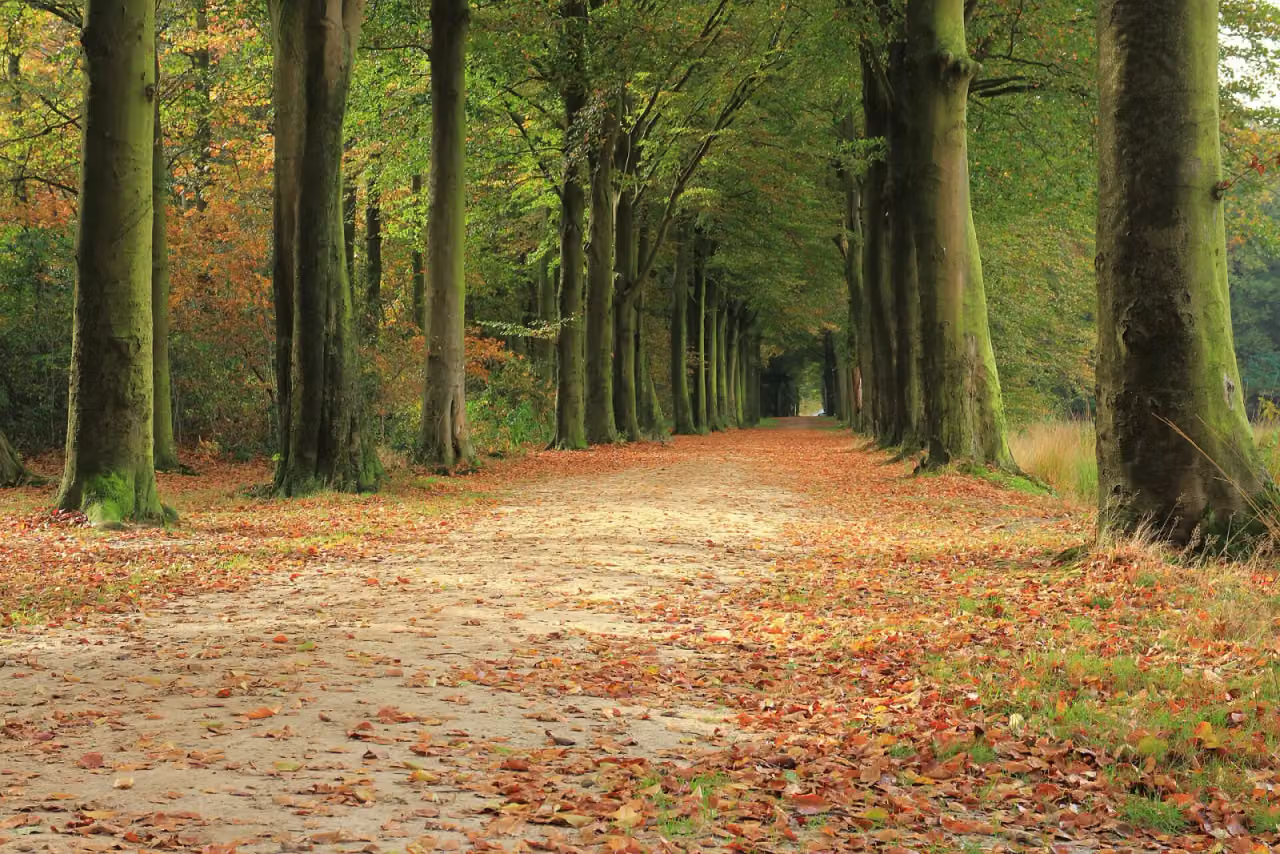
When does autumn start?
Autumn has two starting dates in the UK, and both are correct. The Met Office describes them as meteorological autumn and astronomical autumn.
| Autumn 2027 | Starts | Ends |
|---|---|---|
| Meteorological autumn | Wednesday 1 September | Tuesday 30 November |
| Astronomical autumn | Thursday 23 September, 07:02 BST | Wednesday 22 December, 02:42 GMT (winter solstice) |
The equinox and solstice times come from the 2027 sunrise and sunset table of KNMI, the Dutch meteorological institute, which takes them from the US Naval Observatory. KNMI gives them in Central European time, so I have taken off one hour for UK time. Autumn 2026 has already begun on both counts. Before 2027 comes round, I will check these dates again.
- Meteorological autumn
- 1 September to 30 November
- Autumn equinox 2027
- 23 September, 07:02 BST
- Winter solstice 2027
- 22 December, 02:42 GMT
- Average UK autumn
- 9.71°C (1991-2020)
The first day of autumn: 1 September or the equinox?
If you want the first day of autumn for the weather, it is always 1 September. According to the Met Office, meteorologists split the year into four fixed seasons of three months each. That way the weather statistics of one autumn can be compared with the next.
Astronomical autumn follows the Earth's orbit around the Sun, so its date moves a little from year to year. On the Met Office's long-term average for 1991-2020, the mean temperature of a UK autumn is 9.71°C. The Met Office also notes that Britons once said "fall" as well, short for "fall of the leaf". "Autumn", from French, became the standard word in the 18th century.
The autumn equinox
The autumn equinox is the moment the Sun crosses the equator on its way south. The Met Office explains that day and night are then nearly equal in length all over the world, and that the name comes from the Latin for "equal night". From the autumn equinox until the spring equinox, nights are longer than days.
The equinox usually falls on 22 or 23 September. Now and then it falls on 24 September, but the Met Office says that last happened in 1931 and will not happen again until 2303. The day when day and night are exactly equal, the equilux, comes a few days after the autumn equinox, because the Sun's apparent size and the bending of light in the atmosphere add a little daylight. In the UK, Michaelmas traditionally marks the end of the harvest, close to the equinox.
The autumn months at a glance
- Jan
- Feb
- Mar
- Apr
- May
- Jun
- Jul
- Aug
- Sep: meteorological autumn
- Oct: meteorological autumn
- Nov: meteorological autumn (now)
- Dec: astronomical autumn only
What you can see outdoors in autumn
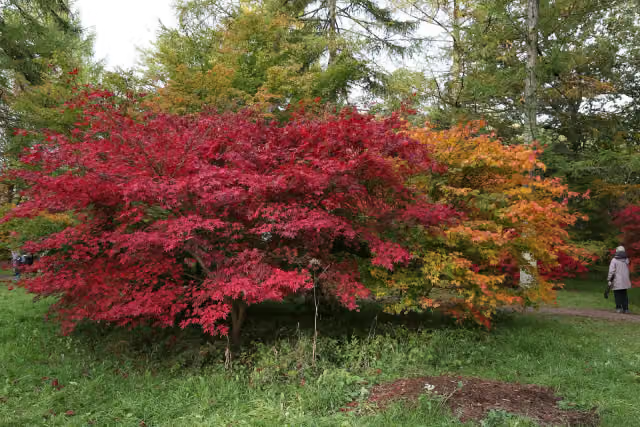
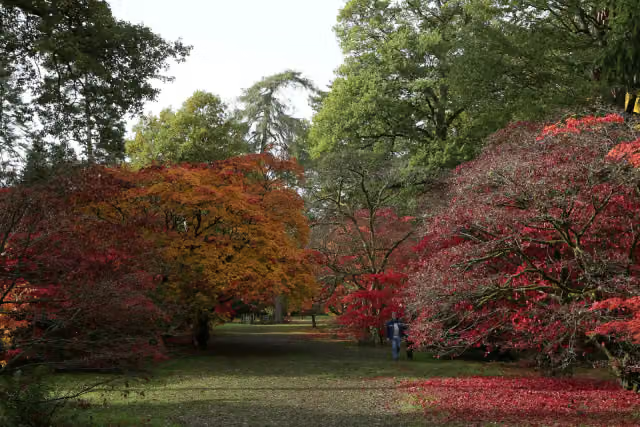
Autumn in the UK is best known for the changing colour of the leaves. The Met Office explains why: as temperatures drop, the green chlorophyll in leaves breaks down, leaving the yellows, reds and browns of carotene and other pigments. The colours are strongest after a dry summer, followed by an autumn of dry, sunny days and cold, but not freezing, nights.
Autumn is also the season of wildlife on the move. In these guides I explain when and where to go, each based on the organisations that know the subject:
- The deer rut and deer and wildlife watching
- Autumn colours and mushrooms and fungi
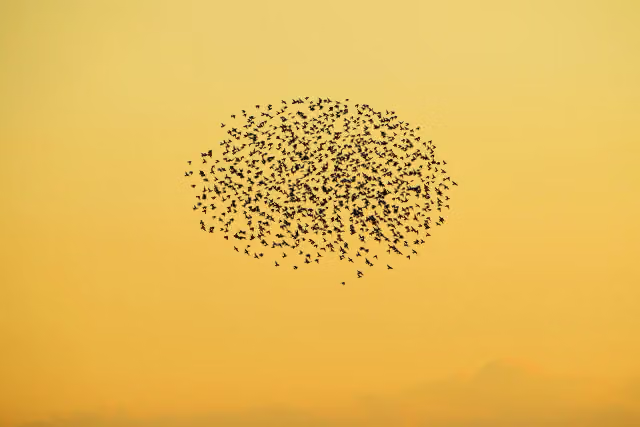
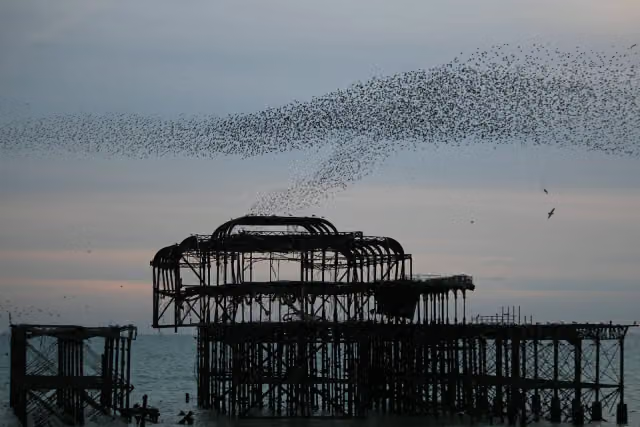
- Starling murmurations, bird migration and cranes
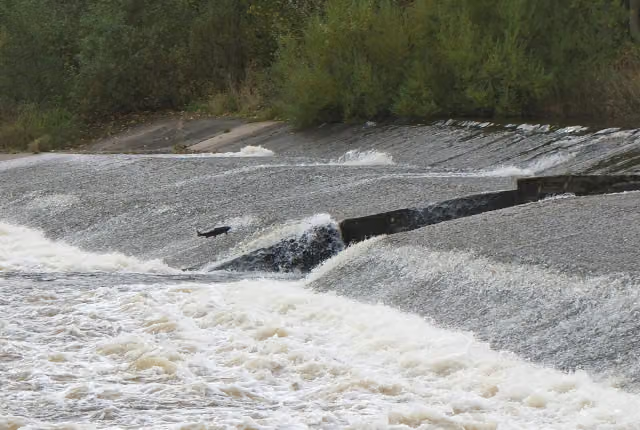
- Leaping salmon, red squirrels and otters, kingfishers and owls
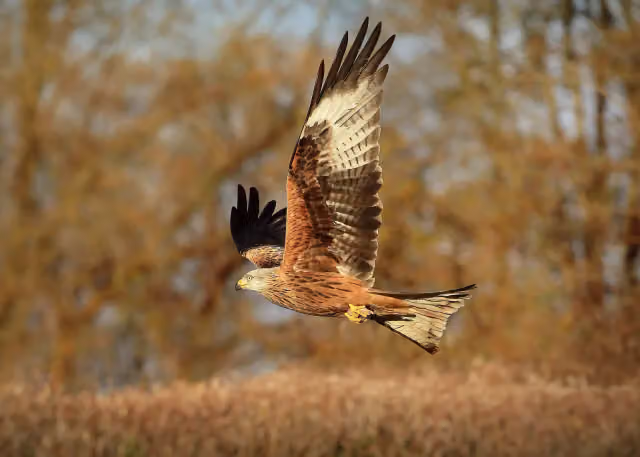
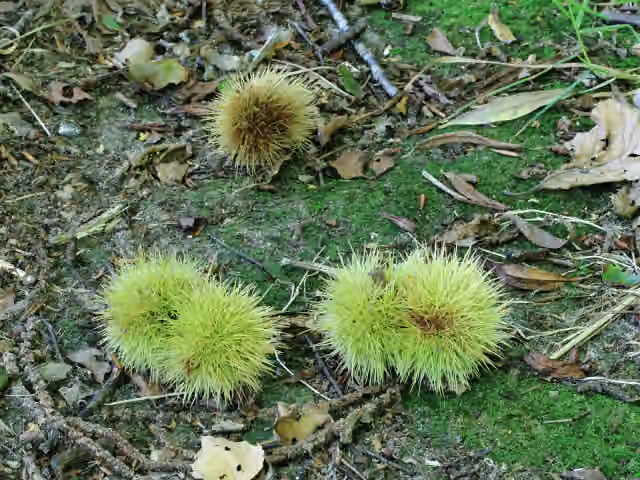
- Birds of prey and foraging for sloes, chestnuts and conkers