Outdoor Pitstop

When does spring start?
Spring in the UK has two starting points. Meteorological spring always begins on 1 March. Astronomical spring begins at the spring equinox, around 20 March in the Northern Hemisphere. The Met Office explains both, and uses the first for its weather records.
| Spring 2027 | Starts | Ends |
|---|---|---|
| Meteorological spring | Monday 1 March | Monday 31 May |
| Astronomical spring | Saturday 20 March, 20:25 GMT | Monday 21 June, 14:11 GMT (solstice) |
The equinox and solstice times come from the US Naval Observatory and are in Universal Time, which is the same as GMT. So there is no single official first day of spring. If you follow the weather, spring starts on 1 March. If you follow the sky, it starts on 20 March.
- Meteorological spring
- 1 March to 31 May
- Spring equinox 2027
- 20 March, 20:25 GMT
- June solstice 2027
- 21 June, 14:11 GMT
- Average UK spring
- 8.08°C (1991-2020)
The first day of spring: 1 March or 20 March
The Met Office divides the year into four fixed seasons of three whole months each. Meteorological spring is March, April and May every year, so a warm or wet spring can be compared fairly with earlier springs. For the weather, the official first day of spring is therefore 1 March.
In calendars and everyday speech, the first day of spring usually means the equinox. Both are in use, so when you plan something, say which one you mean.
The spring equinox
The spring equinox, also called the vernal equinox or March equinox, is the moment the Sun crosses the celestial equator heading north. The Met Office says day and night are roughly equal in length on that day, and after it the days lengthen more quickly. South of the equator the same moment marks the start of autumn, so the vernal and autumnal equinoxes mirror each other.
The equinox is a single moment, not a whole day, which is why it has a clock time. A year is not a whole number of days, so the moment shifts by a few hours each year and the date can be 19, 20 or 21 March. In 2027 it comes in the evening, at 20:25 GMT on 20 March.
When is it spring?
- Jan
- Feb
- Mar: meteorological spring
- Apr: meteorological spring
- May: meteorological spring
- Jun: still astronomical spring
- Jul
- Aug
- Sep
- Oct
- Nov (now)
- Dec
Spring in the UK: flowers, birdsong and longer days
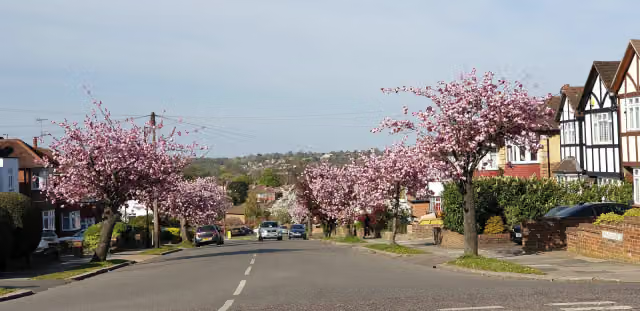
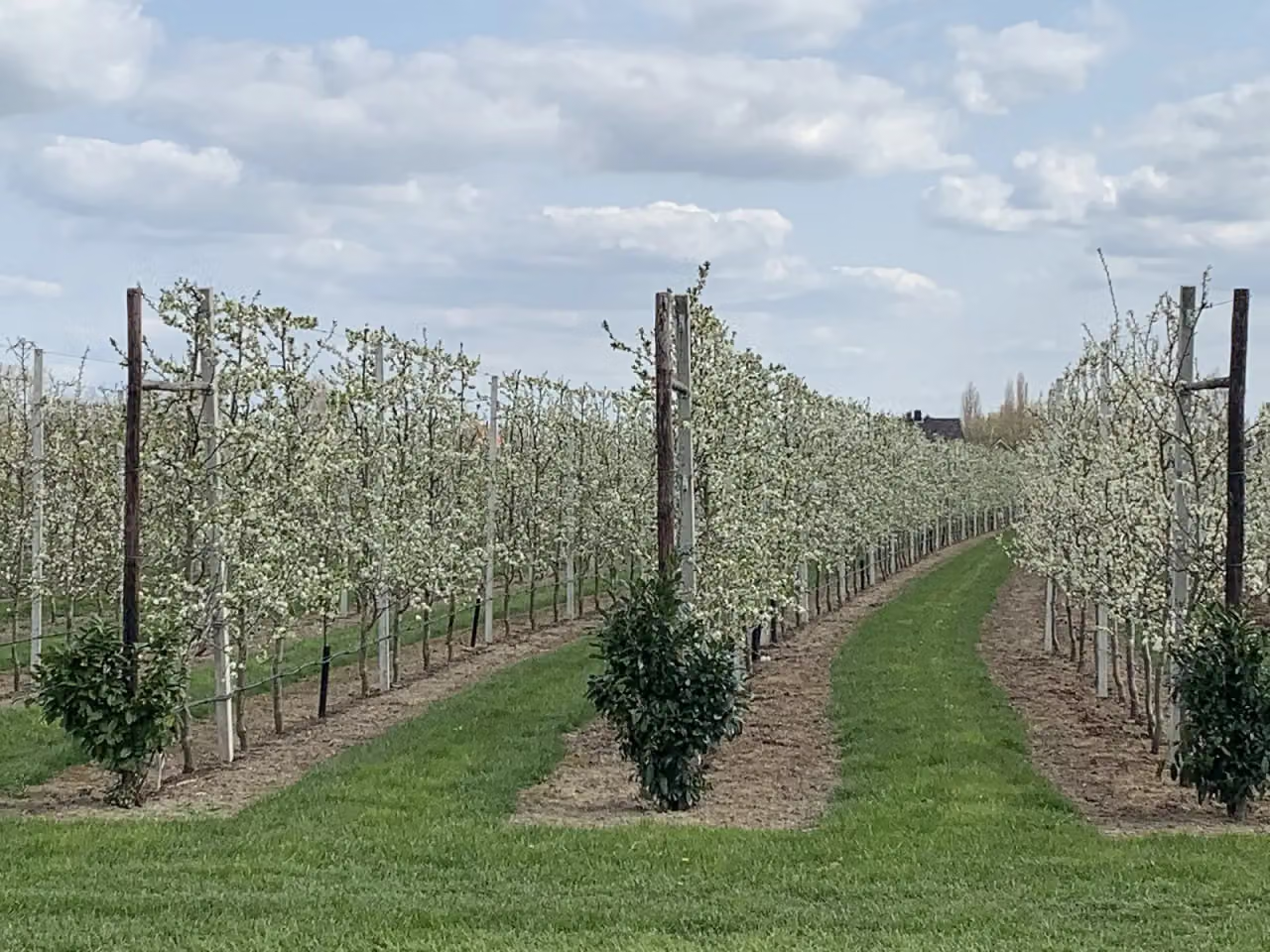
Nature follows the temperature, not the calendar. The Met Office names blossoming trees, the return of birdsong and more insects as the classic signs that spring is underway. The study of these seasonal changes is called phenology. The Met Office also points out that spring does not arrive everywhere at once: the south of the UK tends to warm up first, while Scotland stays cooler for longer and frost lingers further north.
So the first daffodils, frogspawn or nesting birds can appear weeks apart from one year to the next, and from one region to another. Each guide below gives the timing and places for one sign of spring:
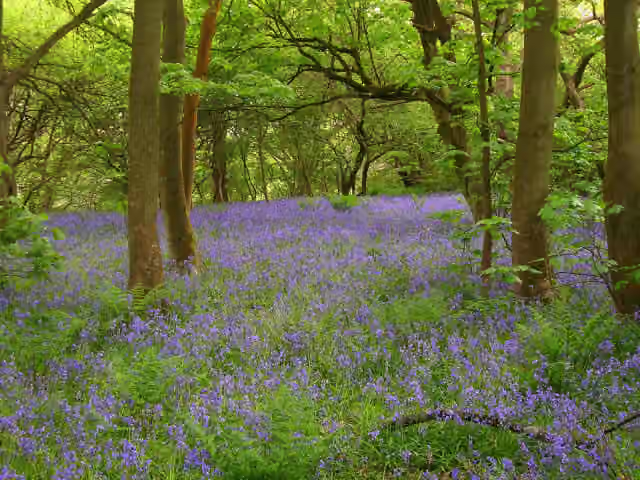
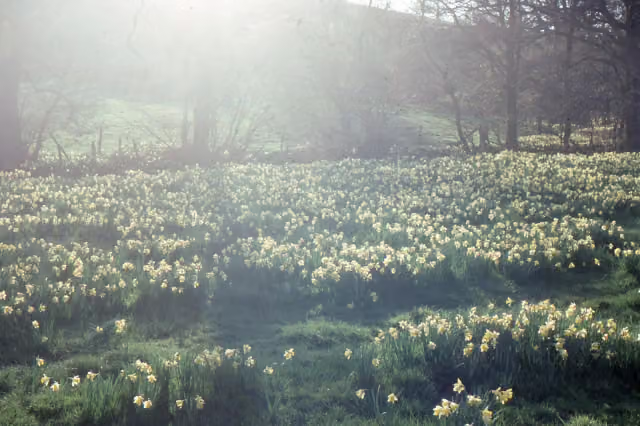
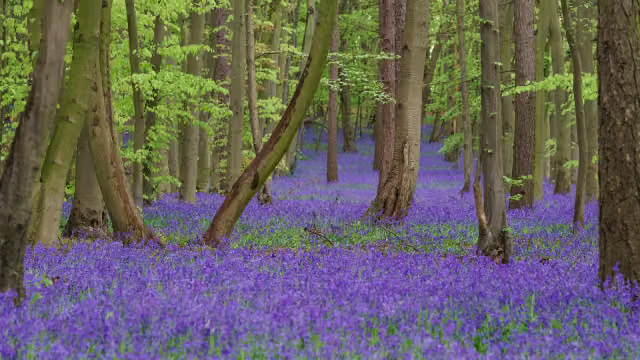
- Flowers: spring flowers and woodland flowers, daffodils, bluebells, wild garlic and rapeseed fields.
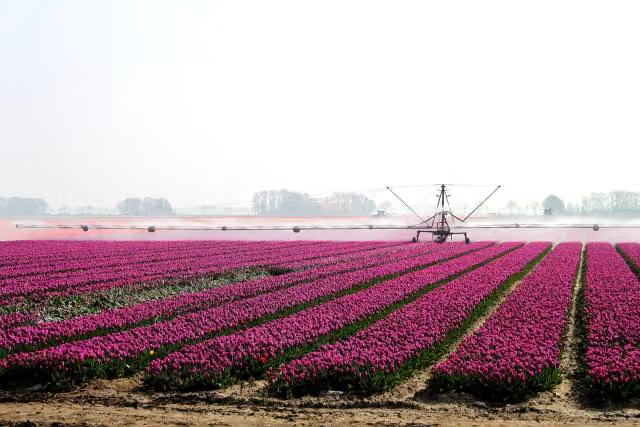
- Blossom and gardens: fruit blossom, cherry blossom, magnolias, rhododendrons, wisteria and tulip fields.
- Animals: toad migration and frogspawn, lambing, hares and badgers.
- Birds: the dawn chorus, the nesting season, ospreys and the arrival of swallows, swifts and cuckoos.