Outdoor Pitstop

When does summer start?
Summer has two starting points, and which one you use depends on who you ask.
| Summer | 2027 |
|---|---|
| Meteorological summer starts | Tuesday 1 June |
| Meteorological summer ends | Tuesday 31 August |
| Astronomical summer starts (solstice) | Monday 21 June, 15:11 BST (14:11 UTC) |
| Astronomical summer ends (equinox) | Thursday 23 September, 07:02 BST (06:02 UTC) |
The solstice and equinox times come from the 2027 sun table of KNMI, the Dutch weather service. KNMI gives them in Central European Summer Time, based on US Naval Observatory data. I converted them to UTC and to British Summer Time, which Ireland also uses in summer. We check the dates again before each summer.
- Meteorological summer
- 1 June to 31 August
- Solstice 2027
- 21 June, 15:11 BST
- Equinox 2027
- 23 September, 07:02 BST
First day of summer: the solstice
If you go by the calendar, the first day of summer is the summer solstice. On that day the sun stands highest in the sky and reaches the Tropic of Cancer. After that the days in the north slowly get shorter again. KNMI points out that the solstice is usually given as 21 June but does not always fall on that date: in 2020 and 2024 it was 20 June. In 2027 it falls on Monday 21 June.
The solstice is also the longest day of the year, a good evening for a late walk.
Meteorological summer: always 1 June
Weather services split the year into four seasons of three whole months each. The Met Office explains that this lines the seasons up with the calendar, so monthly and seasonal statistics can be compared from year to year. Summer is then June, July and August, and meteorological summer starts on 1 June every year.
That is why the summer records you read about cover exactly those three months. According to the Evening Standard, the warmest UK summer on record was 2018, with an average daytime temperature of 15.76°C, just ahead of 2006. The hottest single day was 19 July 2022, when Coningsby in Lincolnshire reached 40.3°C. Of course, summery weather can come earlier or later than the calendar says.
When you see summer in nature
- Jan
- Feb
- Mar
- Apr
- May
- Jun: possible
- Jul: best time
- Aug: possible
- Sep
- Oct
- Nov (now)
- Dec
Summer nature: what to see outdoors
Summer nature follows the weather more than the calendar. Each guide below gives its own months and places, checked at the source.
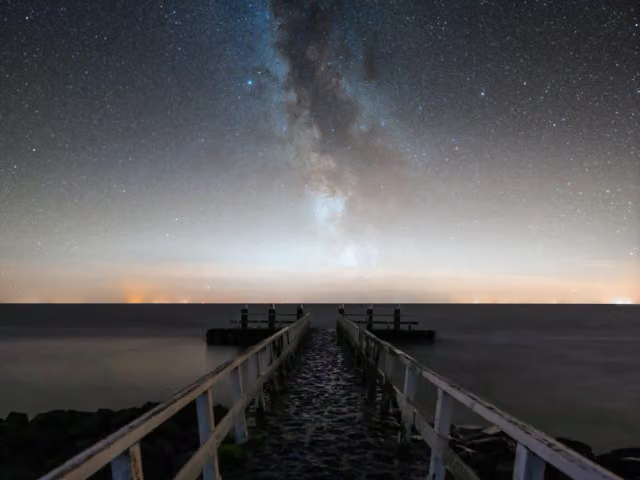
Meteor showers. The Perseids are the best-known shooting stars of summer. The International Meteor Organization says they are active from Saturday 17 July to Tuesday 24 August 2027, with the maximum on Friday 13 August. That year the Moon is between first quarter and full on 12 and 13 August, so the dark spell is short. From mid-northern latitudes such as the UK, the radiant is high enough from about 22:00 to 23:00 local time. See meteor showers.
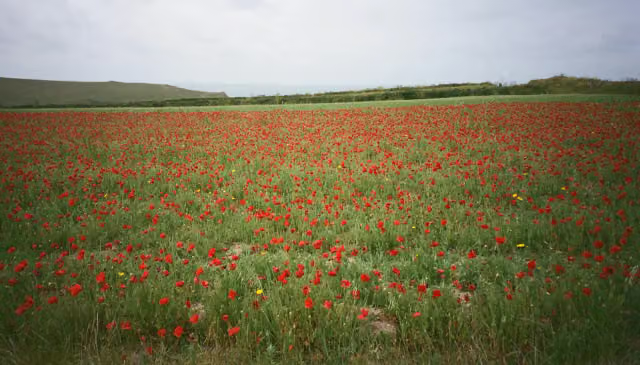
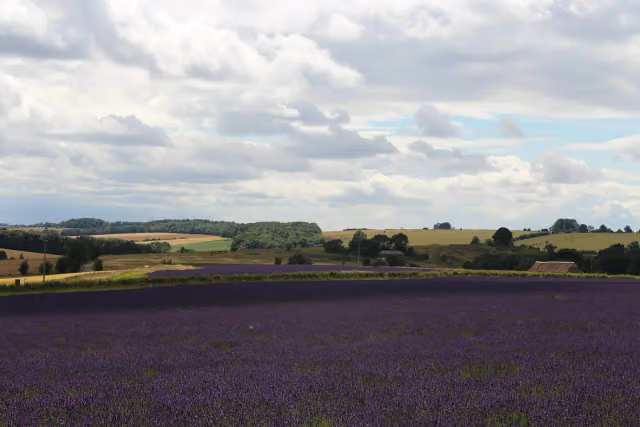
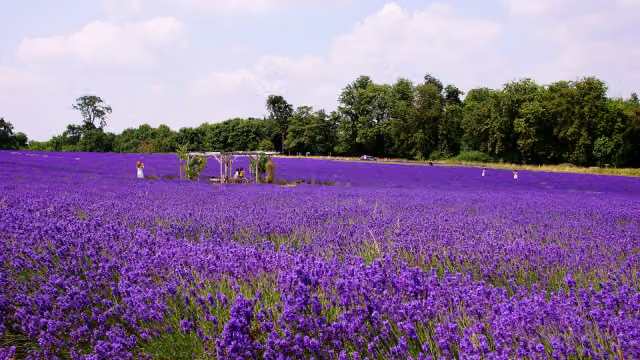
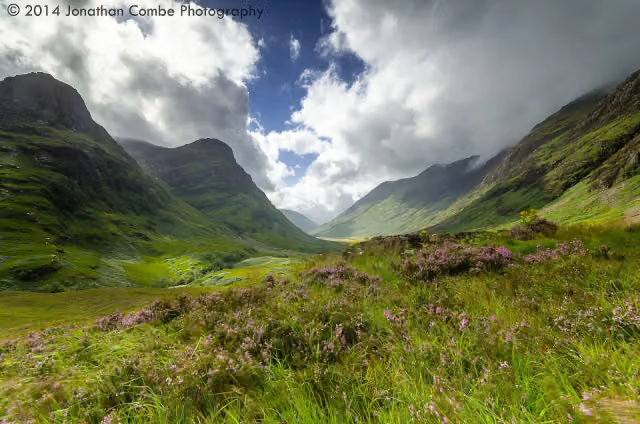
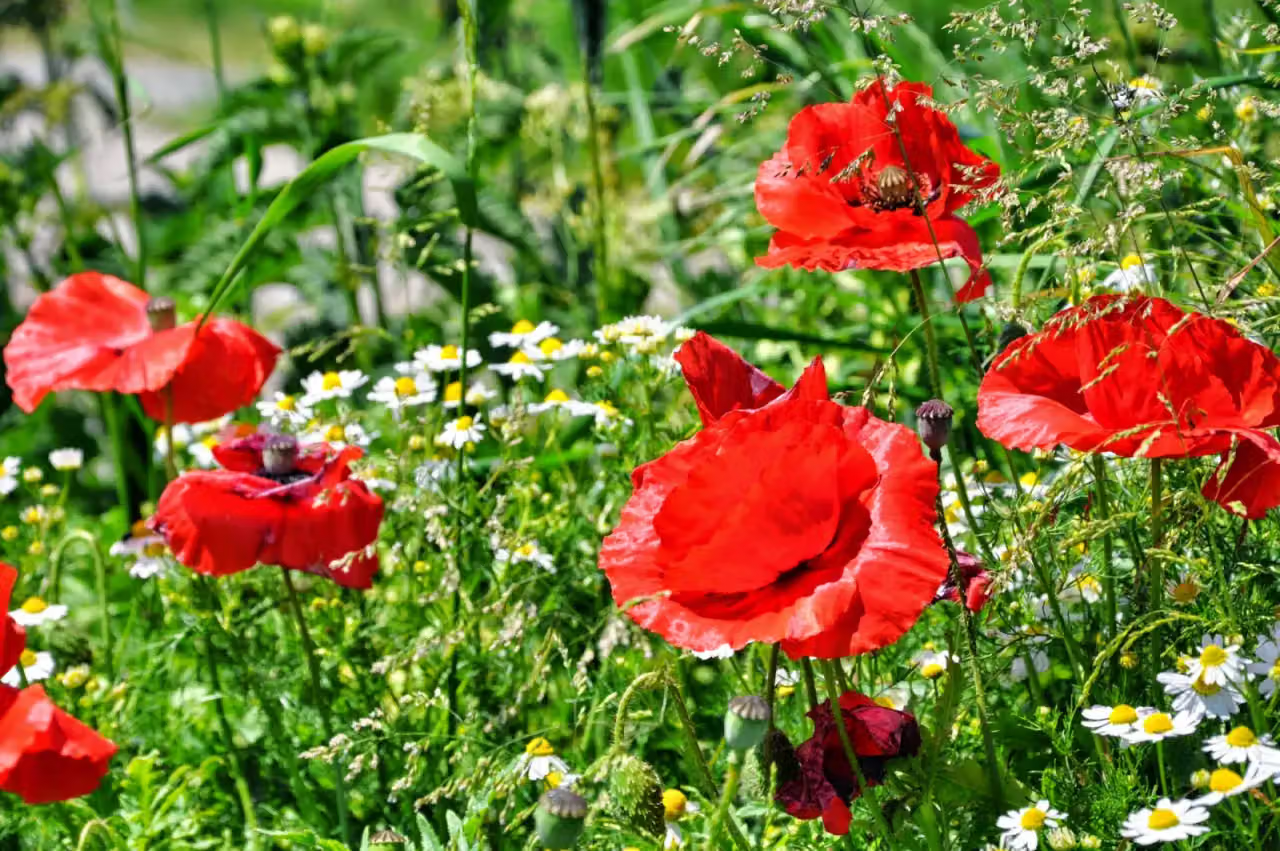
Flowers. Wildflower meadows and orchids, poppy fields, lavender fields, sunflower fields and heather in bloom.
Coast and sea. Puffins, seabird colonies, seals, dolphins and whales and sea sparkle.
Insects and evenings. Butterflies, dragonflies, glow-worms, bat walks and the midges you would rather avoid.
- Perseids active
- 17 July to 24 August 2027
- Perseids maximum
- 13 August 2027