Outdoor Pitstop

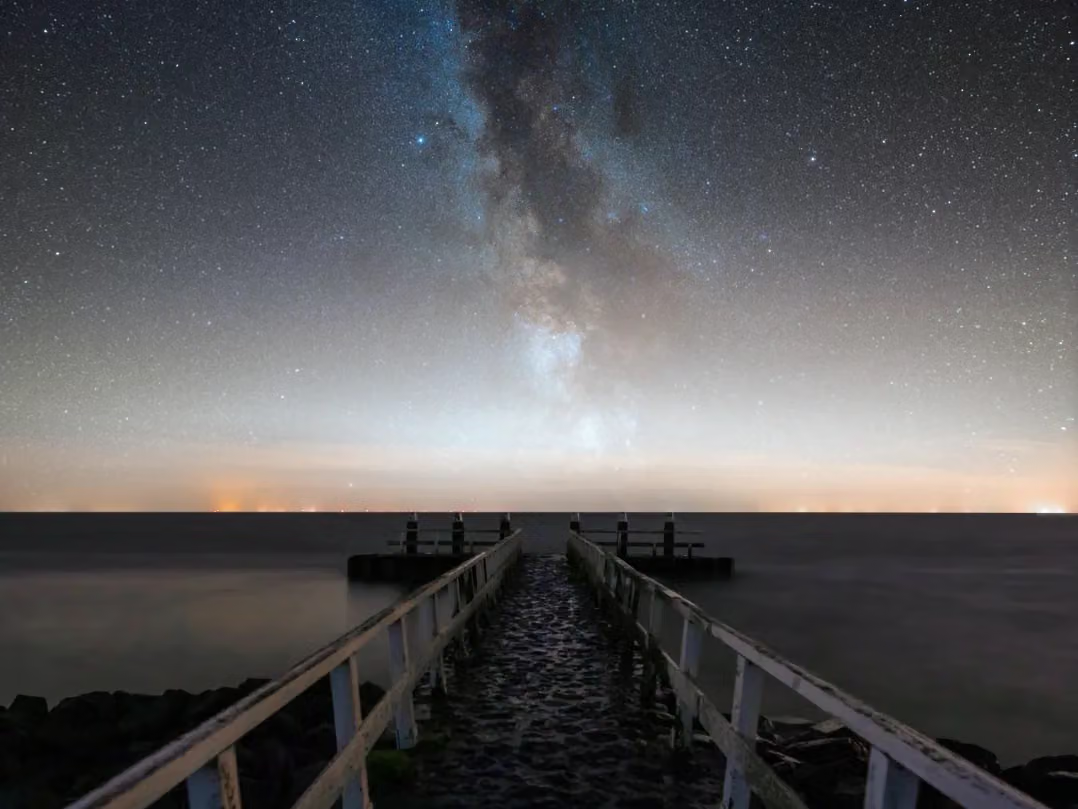
Meteor shower periods: when each shower is active
A shooting star is not a star. Northumberland National Park explains that it is a small piece of debris left behind by a comet or asteroid. When the Earth passes through such a trail of dust on its way round the Sun, many of these pieces fall into the atmosphere. They get extremely hot and glow for a moment as a streak of light. The Earth reaches the same part of its orbit on the same dates every year, so each meteor shower comes back in the same period.
The International Meteor Organization (IMO) publishes a calendar every year with the activity period and the peak of each shower. The table shows the main ones for the UK and Ireland, from the IMO calendars for 2026 and 2027. Peak times are in UT, which is the same as GMT; add one hour in British Summer Time.
| Meteor shower | Active | Peak | Moon at the peak |
|---|---|---|---|
| Geminids | 4 to 20 December | 14 December 2026, 14:00 | no moonlight: good |
| Ursids | 17 to 26 December | 22 December 2026 | |
| Quadrantids | 28 December to 12 January | 4 January 2027, 03:25 | just before New Moon: very good |
| April Lyrids | 14 to 30 April | 23 April 2027, 01:40 | just after Full Moon: poor |
| Southern Delta Aquariids | 12 July to 23 August | 31 July 2027 | favourable |
| Perseids | 17 July to 24 August | 13 August 2027, 08:00 to 10:00 | between first quarter and full |
| Draconids | 6 to 10 October | 9 October 2027 | waxing gibbous Moon |
| Orionids | 2 October to 7 November | 22 October 2027 | bright waning Moon |
| Leonids | 6 to 30 November | 18 November 2027, 06:00 | waning Moon |
| Geminids | 4 to 20 December | 14 December 2027 | Full Moon: poor |
The IMO gives each shower a ZHR, a standard rate of meteors per hour at the peak. It is about 150 for the Geminids, 110 or more for the Perseids, 80 for the Quadrantids, 20 for the Orionids, 18 for the Lyrids and only 5 for the Draconids. From a real field you see fewer. Under a bright Moon you see far fewer, because the faint meteors disappear and only the brightest remain.
- Geminids 2026
- peak 14 December
- Quadrantids 2027
- peak 4 January
- Perseids 2027
- peak 13 August
- Source
- International Meteor Organization
When to see a meteor shower
- Jan: strongest showers
- Feb
- Mar
- Apr: smaller showers
- May
- Jun
- Jul: smaller showers
- Aug: strongest showers
- Sep
- Oct: smaller showers
- Nov: smaller showers (now)
- Dec: strongest showers
Meteor shower tonight: is there one?
Whether there is a meteor shower tonight depends on the date, so check the table above. Outside a shower you still see a few random meteors on any clear, dark night.
In late November 2026 the Leonids are fading out, and the next big shower is the Geminids. The IMO expects their broad peak between 21:00 GMT on 13 December and 18:00 GMT on 14 December 2026. That makes the night of 13 to 14 December the one to watch, with no Moon in the way. The small Ursids follow around 22 December.
Then, in the early hours of 4 January 2027, the Quadrantids peak. The Royal Observatory Greenwich says they are best seen just after midnight that year, when the Moon is far below the horizon, and that their peak lasts only a few hours. Whether you see anything depends on the cloud, so check the forecast on the day.
- Next shower
- Geminids, 13 to 14 December 2026
- After that
- Quadrantids, 3 to 4 January 2027
Meteor shower tonight: what time to look
For most showers, go out after midnight; the later the better, until dawn. Meteors seem to come from one point in the sky, called the radiant, and the higher the radiant is, the more meteors you see. The Met Office says the Perseids are most visible from midnight to dawn. The IMO says their radiant is high enough from about 22:00 or 23:00. The Geminid radiant rises around sunset, so you can start in the evening; it is highest around 02:00.
Do not stare at the radiant itself. Look at a wide patch of sky around it, or straight up. Give your eyes time to adjust to the dark: at least 15 minutes, says the Royal Observatory Greenwich, or 30 minutes, says Forestry and Land Scotland. You do not need binoculars or a telescope.
Perseids: the August meteor shower
The Perseids are the meteor shower most people in Britain know, because they fall in summer. The Met Office explains that they happen when the Earth passes through debris left by the comet Swift-Tuttle.
According to the IMO the Perseids are active from 17 July to 24 August. In 2027 the peak is expected on 13 August between 08:00 and 10:00 UT. That is 9 to 11 in the morning British Summer Time, in daylight. The best nights are therefore 11 to 12 and 12 to 13 August, after midnight. The IMO expects 2027 to be slightly stronger than usual (a ZHR of 110 to 120), because the Earth passes through a part of the stream that Jupiter has pulled closer. The downside is that the Moon is between first quarter and full, so the dark part of the night is short.
The IMO notes that the Perseids cannot be seen properly north of about 60 degrees latitude, which takes in Shetland. People who search for the "August 12 meteor shower" mean the Perseids.
Geminids and Quadrantids: the winter meteor showers
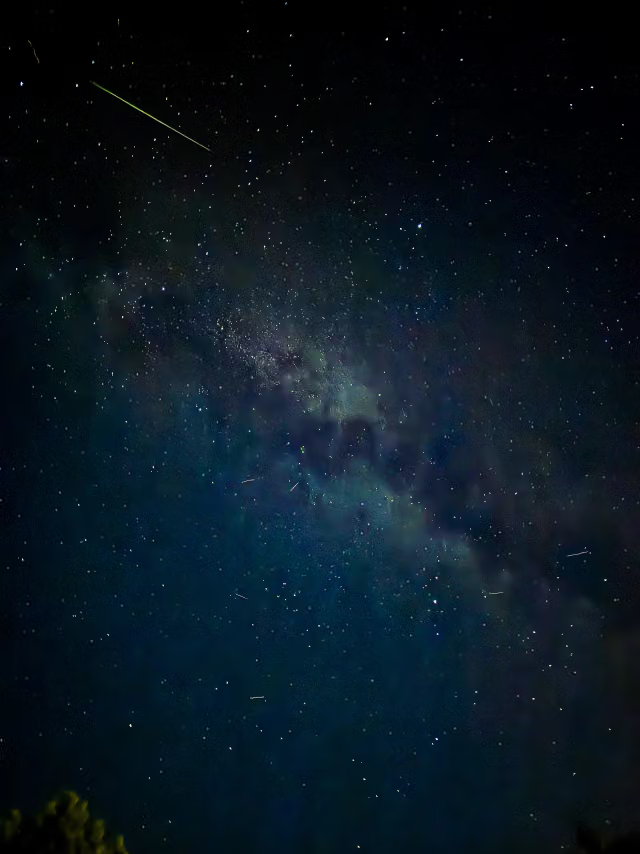
The IMO calls the Geminids the best and most reliable of the major annual showers. They give about 150 meteors an hour at the peak and are known for bright meteors and fireballs. Northumberland National Park points out that they come from fragments of 3200 Phaethon, not from a classic comet. In 2026 there is no Moon to spoil their peak; in 2027 the peak falls at Full Moon.
The Royal Observatory Greenwich says the Quadrantids are named after Quadrans Muralis, a former constellation that is now part of Boötes. They are best seen from the northern hemisphere, so the UK is well placed. The IMO adds that bright fireballs have been seen even a few days after the peak.
December and January nights are long but cold and often cloudy. Wrap up warmly, and read the guides to stargazing and the northern lights if you are out under a winter sky.
Lyrid meteors, Orionids and Leonids
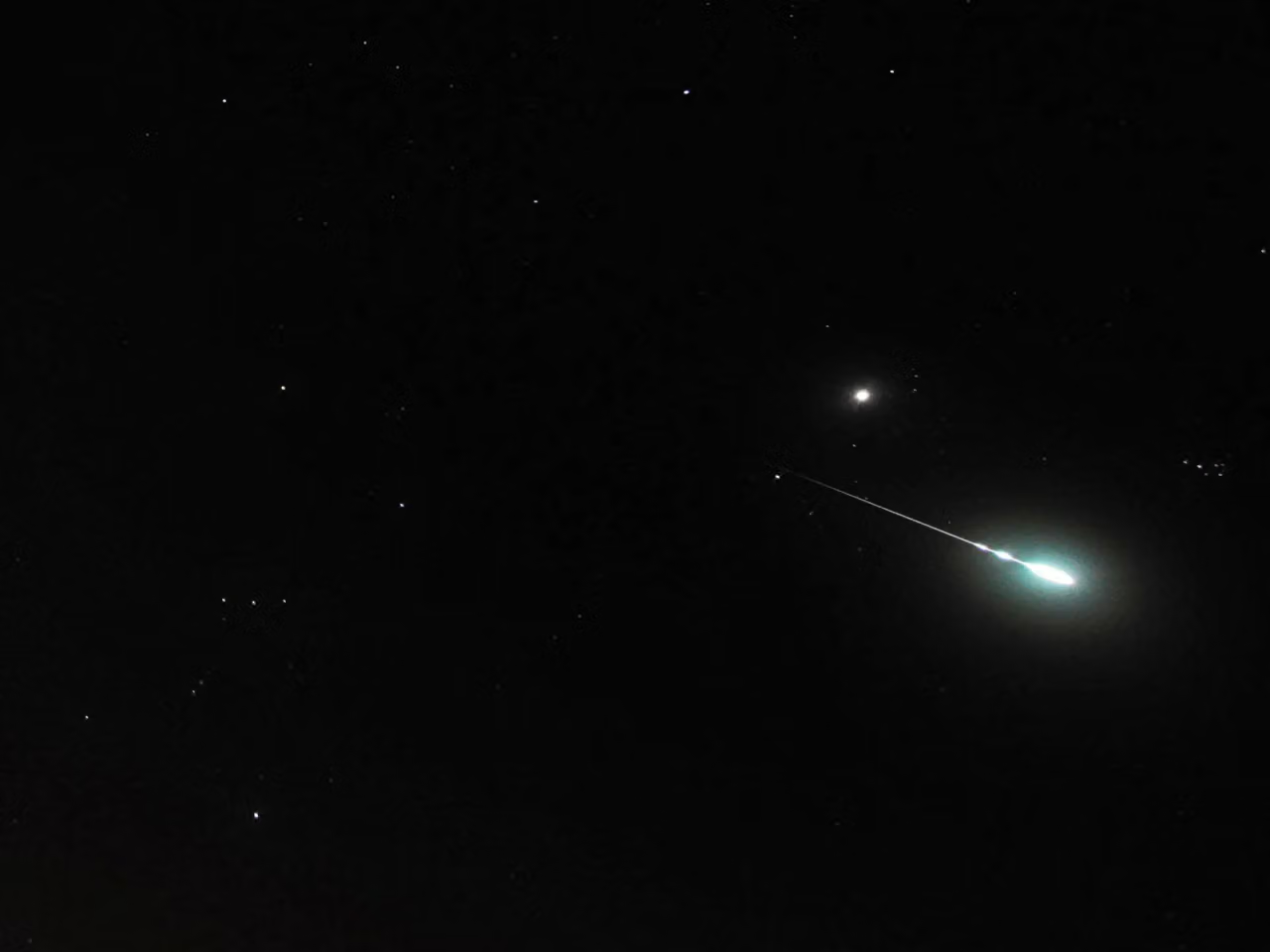
The April Lyrids give about 18 meteors an hour. Northumberland National Park links them to Comet Thatcher and says they were first recorded in 687 BCE. In 2027 their peak on 23 April comes three days after Full Moon, which the IMO calls the worst conditions of the year.
The Orionids peak around 22 October with about 20 an hour, under a bright waning Moon in 2027. The Leonids peak around 18 November with about 15 an hour; the IMO says 40 to 50 an hour is possible on the evening of 17 November 2027. The Draconids of early October are weak, at about 5 an hour.
Where to watch a meteor shower in the UK
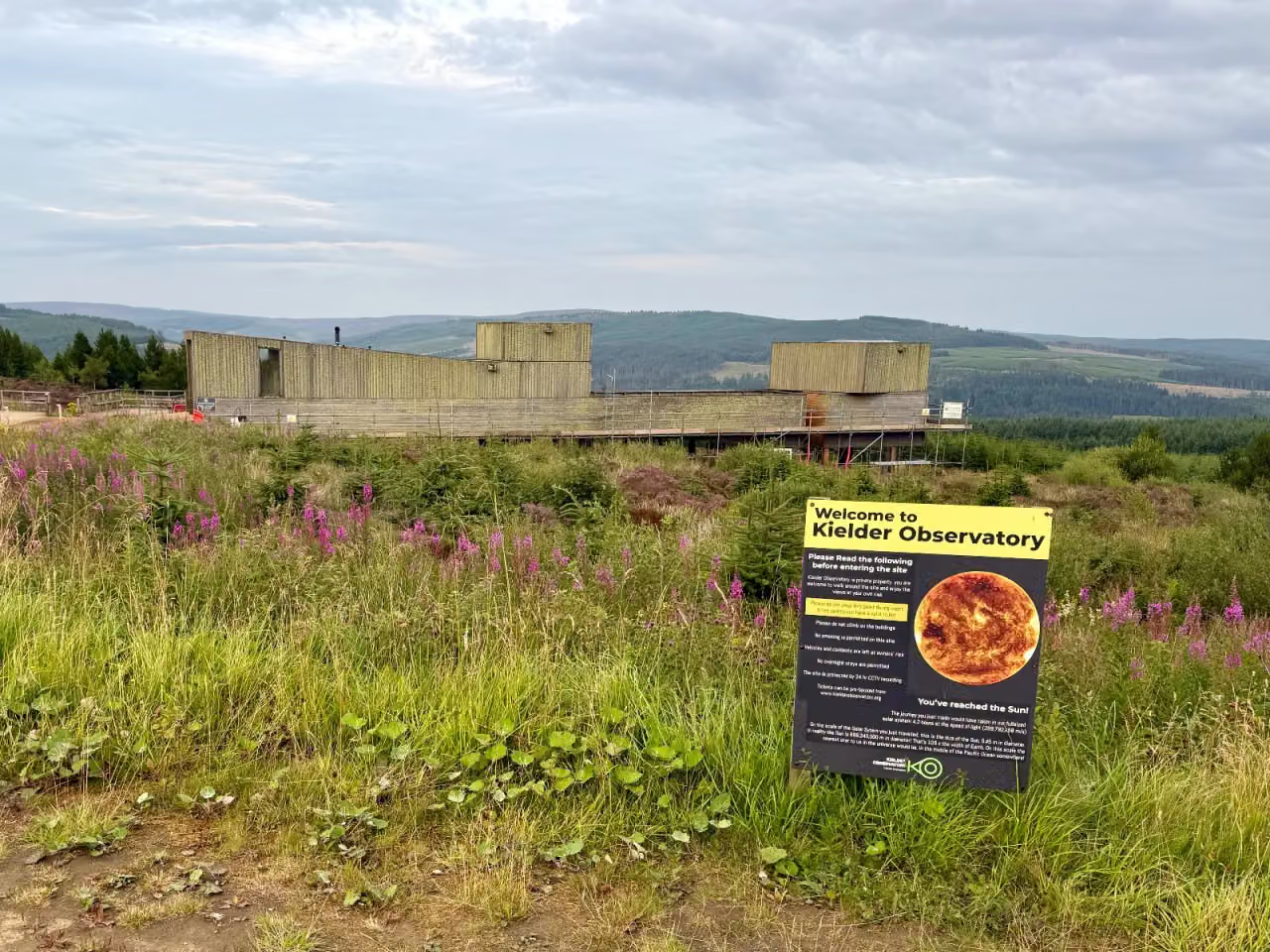
The darker the place, the more shooting stars you see; in a city only the brightest get through. Look for open sky with few lights, ideally with a bench or somewhere to lie down. These places are officially recognised for their dark skies:
- Galloway Forest Park, Scotland. It was one of the first International Dark Sky Parks in the world (2009) and has Gold Tier status. Forestry and Land Scotland says you can see over 7,000 stars and planets with the naked eye on a clear night. Clatteringshaws Loch, Stroan Loch and Glentrool are among its favourite stargazing spots.
- Northumberland, England. Northumberland International Dark Sky Park has its own Dark Sky Discovery Sites.
- Exmoor, England. The National Park Authority says Exmoor became Europe's first International Dark Sky Reserve in 2011.
- Wales. The National Trust names the Brecon Beacons (an International Dark Sky Reserve since 2012) and Eryri (since 2015). It also lists car parks on the Pembrokeshire coast that are recognised as stargazing sites, such as Martin's Haven and Broadhaven South.
For your own area, see the guides for Scotland, England, Wales, Northern Ireland and Ireland. There are also guides for cities such as London, Manchester and Edinburgh.
Watching shooting stars safely at night
- Choose a safe spot away from street lights, but not on a cliff edge or a road, and tell someone where you are.
- Find it in daylight, so you can find it, and leave it, in the dark.
- Keep your light low: put your phone on its dimmest setting.
- Stay on the path and keep your dog on a lead. Check the sign at the car park, because some sites close at night.
- Dress warmly. Even in August it gets cold after midnight when you sit still.
A bench, water and a toilet in the dark
A bench with an open view is the best seat for a meteor shower. For the Perseids, choose one facing north-east; for the other showers, face wherever the sky is darkest. The page benches in the United Kingdom shows where they are, including outside towns. Find one in daylight and save it in a list in the app, so you can find it again at night.
Public toilets in the countryside are usually closed at night. Go before you set off, or plan a stop at one of the public toilets in the United Kingdom. Take enough water and something warm to drink; the water fountains and refill points in the United Kingdom show where you can fill your bottle on the way.
In the app I see 188,102 benches and 13,915 public toilets in the United Kingdom.
From our data
Pitstops in the United Kingdom
- Benches
- 188,102
- in the United Kingdom
- Public toilets
- 13,915
- in the United Kingdom
- Water points
- 2,923
- in the United Kingdom
As of 28 November 2026, from the Outdoor Pitstop database. The whole United Kingdom. Benches outside towns are the best places to watch a meteor shower.
An evening walk to a dark place
We have no walking routes for the United Kingdom or Ireland in the app yet. Pick a dark spot near you, walk there first in daylight and use the pitstops on our UK pages to plan the evening.
Pitstops in the United Kingdom →Public toilets in Ireland