Outdoor Pitstop

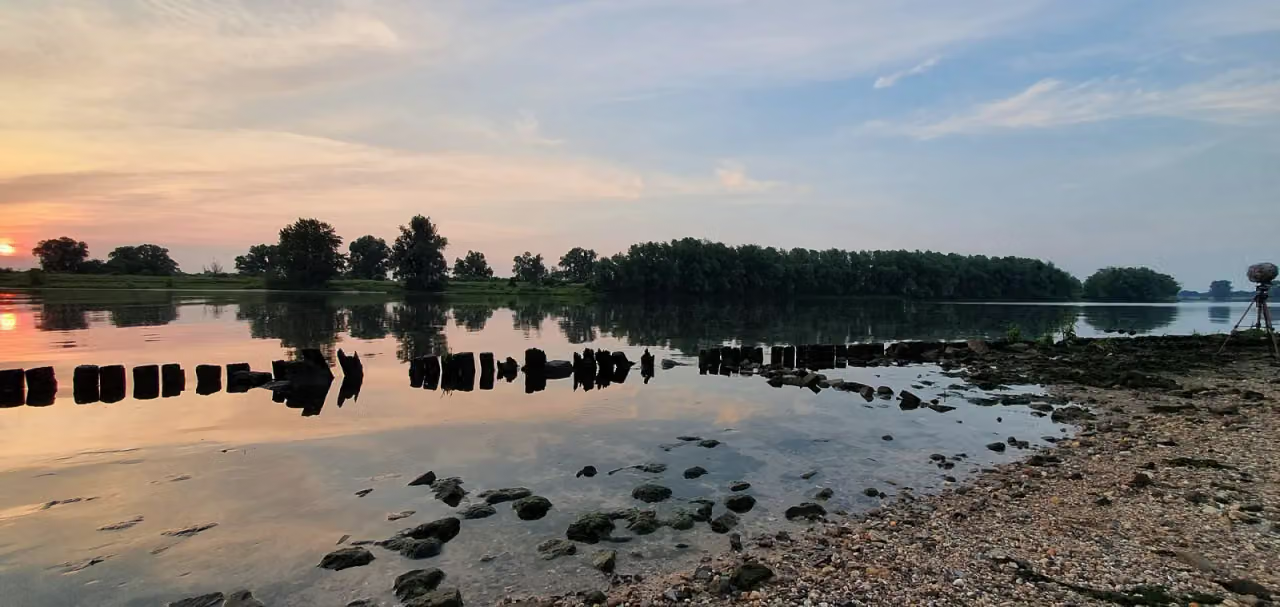
When is the longest day of the year?
The longest day of the year in the UK and Ireland is the day of the June solstice. According to the Royal Observatory Greenwich it falls on Monday 21 June 2027. The solstice itself is a single moment rather than a whole day: in 2027 that moment is 14:11 GMT, which is 3.11pm on British Summer Time. In 2026 it came on Sunday 21 June at 9.24am BST, and in some years the date is 20 June.
How long the day lasts depends on where you are. In London the sun is up for 16 hours and 39 minutes on 21 June 2027, almost nine hours more than on the shortest day, 22 December 2027, with 7 hours and 50 minutes. Further north the days are longer still, and north of the Arctic Circle, the Met Office explains, the sun does not set at all around the summer solstice.
The earliest sunrise and the latest sunset do not fall on the longest day itself. In London's sunrise tables for 2027 the earliest sunrise, at 04:43, comes on 14 June, a week before the solstice. For the times in other places, see the longest day in the UK, Scotland, London and Ireland.
- Solstice 2027
- Monday 21 June, 3.11pm BST
- Solstice 2026
- Sunday 21 June, 9.24am BST
- Daylight in London
- 16 hours 39 minutes
- Shortest day 2027
- 22 December
When the days are longest
- Jan
- Feb
- Mar
- Apr
- May: long days
- Jun: longest days
- Jul: long days
- Aug
- Sep
- Oct
- Nov (now)
- Dec
Summer solstice: what is it?
The Earth spins on an axis that is tilted by about 23.4 degrees. For half the year the northern half of the planet leans towards the sun; the summer solstice is the moment it leans furthest. On that day the sun climbs to its highest point at noon, and the northern hemisphere has its longest day and shortest night. The Royal Observatory Greenwich explains that the word comes from the Latin solstitium, 'sun stands still': the sun's daily path stops moving north and turns back.
Summer solstice and winter solstice are two sides of the same tilt. Six months later the northern hemisphere leans furthest away from the sun and has its shortest day; the next winter solstice is on 21 December 2026 at 8.50pm GMT. In the southern hemisphere it is the other way round: there the summer solstice comes in December.
The solstice is also not the middle of summer. The Royal Observatory points out that the air and especially the oceans take weeks to warm up, so meteorological summer runs from the start of June to the end of August.
- Earth's tilt
- 23.4 degrees
- Next winter solstice
- 21 December 2026
- Southern hemisphere
- summer solstice in December
Midsummer and Midsummer's Day
Many people use midsummer as another word for the summer solstice. Strictly, though, Midsummer Day has a fixed date: according to the Royal Observatory Greenwich, Midsummer's Day is 24 June every year. It is one of the four Quarter Days of the UK legal calendar, together with Lady Day (25 March), Michaelmas (29 September) and Christmas Day (25 December).
So the date of the summer solstice shifts a little from year to year, while Midsummer's Day stays on 24 June. The Royal Observatory also notes that the long days are marked in many countries, from flower festivals in Sweden and Latvia to the gathering at Stonehenge.
Stonehenge summer solstice: the sunrise at the stones
Stonehenge was built to line up with the sun at the solstices. English Heritage, which manages the monument, describes how on the summer solstice the sun rises behind the Heel Stone in the north-east and its first rays shine into the middle of the circle. The Royal Observatory adds that it is not clear whether marking the solstice was the purpose of the monument, but the gathering there is one of the rare moments when visitors may walk right up to the stones.
For the summer solstice of 2026 English Heritage opened Stonehenge for free access from the evening of Saturday 20 June to the morning of Sunday 21 June. Sunset was around 9.26pm and the Stonehenge summer solstice sunrise around 4.52am. The conditions of entry were strict: do not touch or climb the stones, no alcohol or drugs, take your rubbish home and use the toilets provided.
English Heritage strongly advised public transport. Special buses ran from Salisbury station and the city centre via Amesbury; Stonehenge is about 2½ miles (4 km) on foot from Amesbury, and a torch and sensible footwear are advised. Parking had to be booked in advance, and cars without a booking were turned away. From the visitor centre it is a 25 to 30 minute walk (about 1½ miles) to the stone circle, with a shuttle bus as well.
- Managed by
- English Heritage
- Sun rises behind
- the Heel Stone
- Entry at solstice
- free, on conditions
- Getting there
- bus from Salisbury
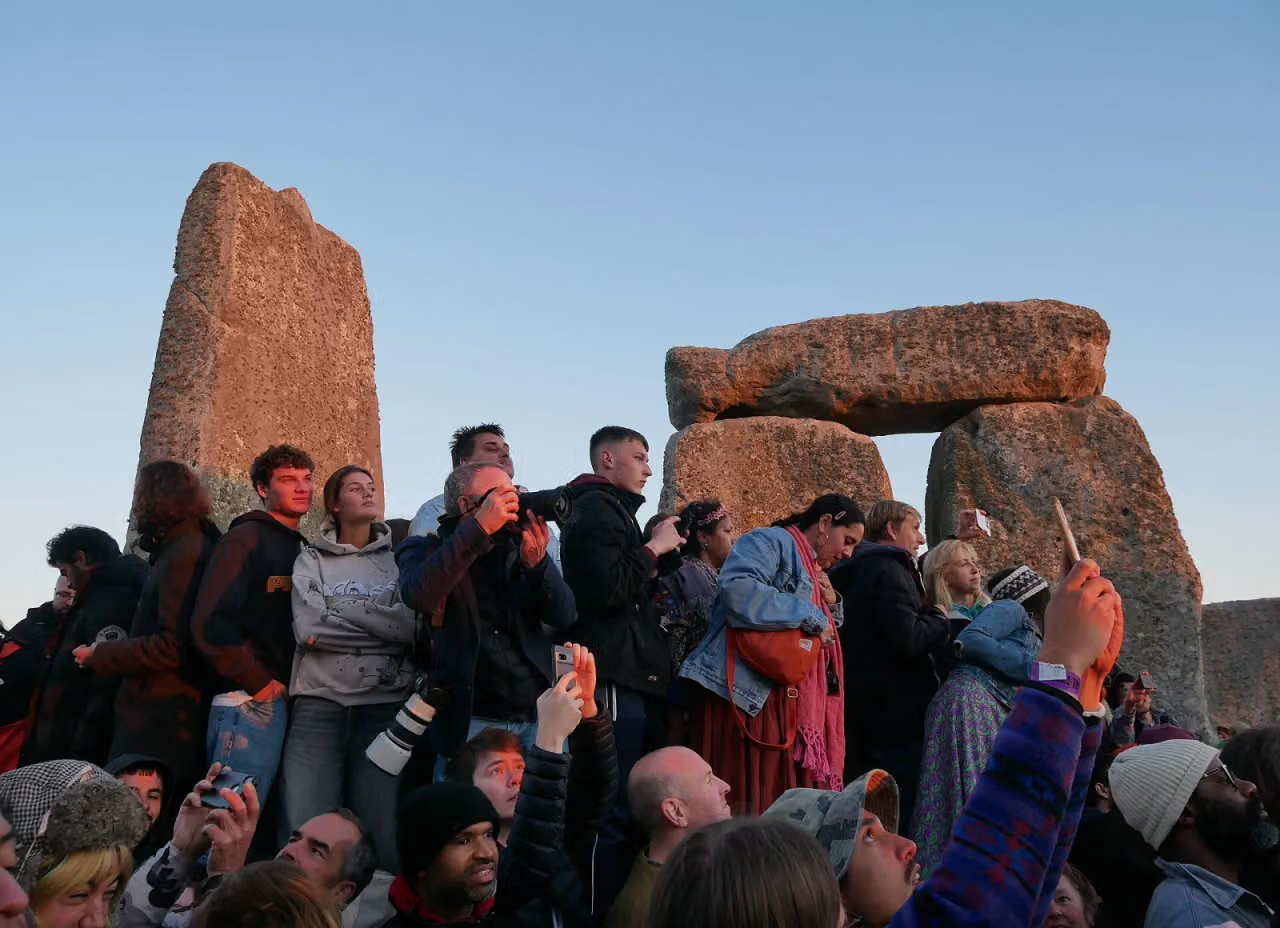
Summer solstice at Stonehenge in 2027
- Next edition
- English Heritage has not yet published its plans for the summer solstice of 2027. In 2026 the free access ran from the evening of 20 June to the morning of 21 June; check the English Heritage solstice page in spring.
- Start
- Stonehenge
Summer solstice at Avebury
The stone circle and henge at Avebury in Wiltshire is cared for by the National Trust. Its solstice page calls the summer solstice an extremely busy time there. For 2026 the Trust's advice was:
- Come without a car if you can. The car parks cannot take everyone. Bus route 49 (Swindon to Devizes) and route 42 (Marlborough to Calne) stop outside the Red Lion in Avebury; the 42 does not run on Sundays.
- No camping. Camping is not allowed on National Trust land at Avebury at any time of year, and sleeping in vehicles in the car park is not allowed either.
- Respect the stones. No climbing on them, no fires, barbecues or fireworks, no tents or shelters, no amplified music and drumming finished by 11pm.
For walkers the practical part is good: the Trust provided free drinking water 24 hours a day outside the café in the farmyard, and the toilets behind the Coach House on the High Street stayed open through the night of 20 to 21 June, with extra portable toilets until 2pm on the 21st. Arrangements for 2027 have not been published yet.
- Cared for by
- National Trust
- Buses
- routes 49 and 42
- Camping
- not allowed
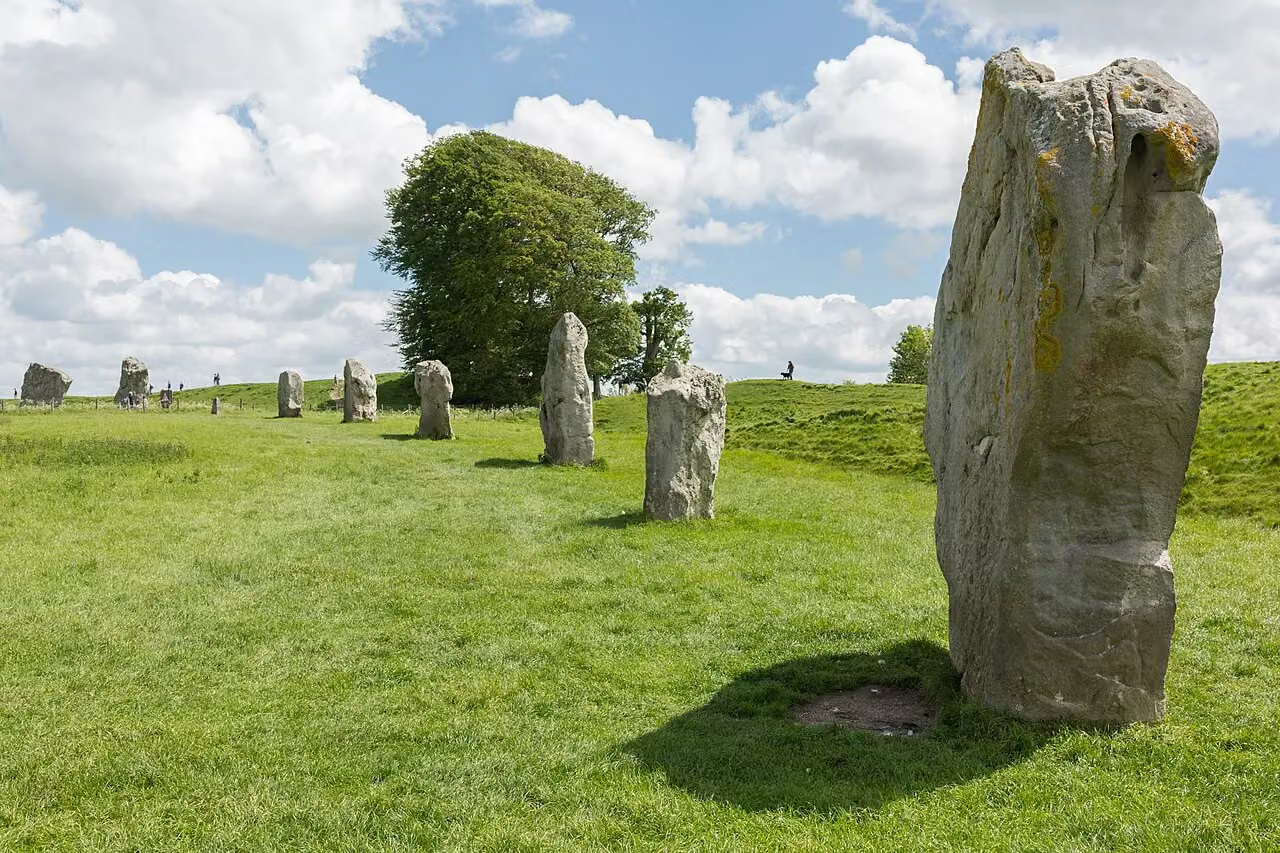
Celebrating the summer solstice outdoors
You do not need a stone circle to make the most of the longest day of the year. On 21 June it is light in London from before five in the morning until after nine at night, so an early walk before work or a long evening walk after dinner both fit easily.
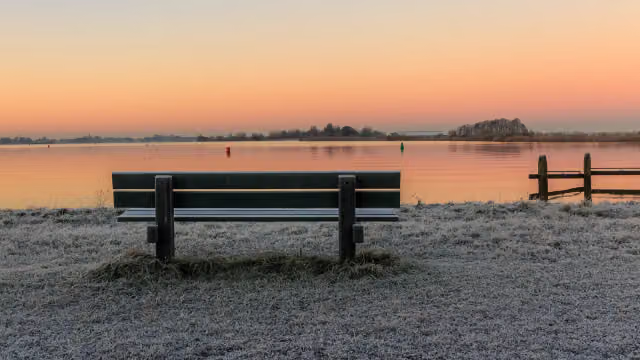
In June the sun sets far in the north-west. A bench facing that way, on a hill, a cliff path or the edge of a common, is the best seat for the sunset. See the benches in the United Kingdom, and before a long evening out the public toilets and water fountains and refill points along the way. More to see in the warm months is on the page about summer outdoors.
In the app I see 188,102 benches, 13,915 public toilets and 2,923 water points in the United Kingdom.
From our data
Pitstops in the United Kingdom
- Benches
- 188,102
- in the United Kingdom
- Public toilets
- 13,915
- in the United Kingdom
- Water points
- 2,923
- in the United Kingdom
- Pitstops
- 205,713
- in the United Kingdom
As of 28 November 2026, from the Outdoor Pitstop database. The whole United Kingdom. Benches, public toilets and water points come from OpenStreetMap and from reports by our users.
An evening walk on the longest day
We have no walking or cycling routes for the United Kingdom or Ireland in the app yet. Open the map of your area instead and pick a bench facing west for the sunset, with a public toilet and a water point on the way.
Pitstops in the United Kingdom →Benches in the United KingdomPublic toilets in Ireland