Outdoor Pitstop

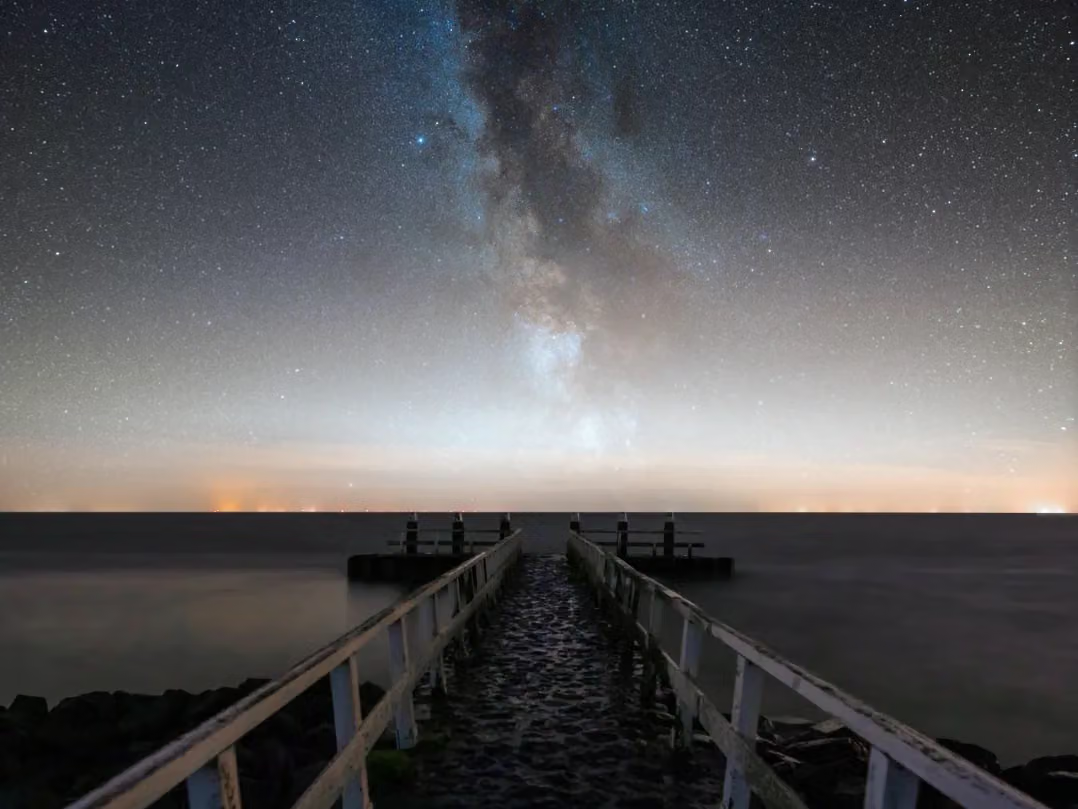
When is the best time for stargazing?
You can look up all year, but winter gives you the most darkness: the nights are longest and it is dark early in the evening, which also makes it the easiest season with children.
The winter calendar fits that. CPRE runs its Star Count every year around February, and in Wales the national parks and protected landscapes hold Welsh Dark Sky Week in February (13 to 22 February in 2026, says Bannau Brycheiniog National Park). Check the organiser's site for next year's dates.
Two things matter more than the month: cloud and the moon. Choose a clear night around new moon; a full moon lights up the whole sky and hides the fainter stars.
- Best months
- November to February
- Moon
- around new moon
- Star Count
- every year around February
When you see the most stars
- Jan: best time
- Feb: good
- Mar: good
- Apr
- May
- Jun
- Jul
- Aug
- Sep: good
- Oct: good
- Nov: good (now)
- Dec: best time
Dark skies: reserves and parks in the UK and Ireland
A dark sky reserve or dark sky park is an area recognised by the International Dark Sky Association (the body that designated Exmoor) for the quality of its night sky. These are the places with the darkest skies, and the managing bodies say what you can see there.
- Exmoor was designated an International Dark Sky Reserve in 2011. Exmoor National Park says that on a cloudless night you can see thousands of stars and the Milky Way with the naked eye, and it has a short waymarked Dark Sky Discovery Trail.
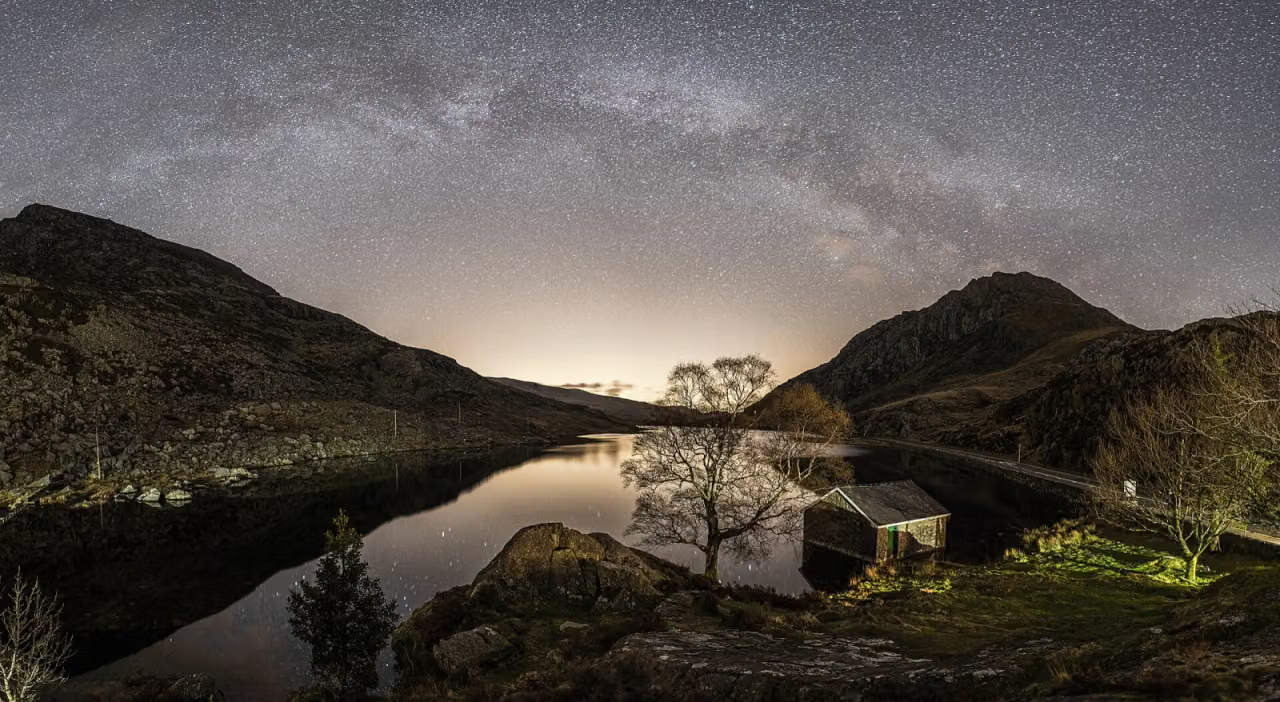
- Bannau Brycheiniog (Brecon Beacons) became an International Dark Sky Reserve in 2012: the fifth in the world and the first in Wales, according to the national park. On a clear night you can see the Milky Way, constellations and meteor showers.
- Kerry: Kerry County Council describes the Kerry International Dark Sky Reserve as the first in Ireland and a Gold Tier reserve where people live and work. It covers Kells, Cahersiveen, Portmagee, Valentia Island, Ballinskelligs, Waterville, Caherdaniel and Dromid, among others.
- Mayo Dark Sky Park, at Wild Nephin National Park (formerly Ballycroy), received the Gold Tier as an International Dark Sky Park in May 2016. The Ballycroy Visitor Centre closes in some winter months, but the viewing points stay open all year.
Dark sky places with their own guide
Each guide has the viewing places, when to go and the pitstops on the way.
- ExmoorInternational Dark Sky Reserve since 2011, with a waymarked Dark Sky Discovery Trail.England
- Brecon BeaconsBannau Brycheiniog, the first International Dark Sky Reserve in Wales (2012).Wales
- KerryThe first International Dark Sky Reserve in Ireland, in South Kerry.Ireland
- Mayo Dark Sky ParkGold Tier since May 2016; the viewing points are open all year.Ireland