Skip to content
Outdoor Pitstop logoOutdoor Pitstop

Memorial · Ede · Updated on 1 November 2026.

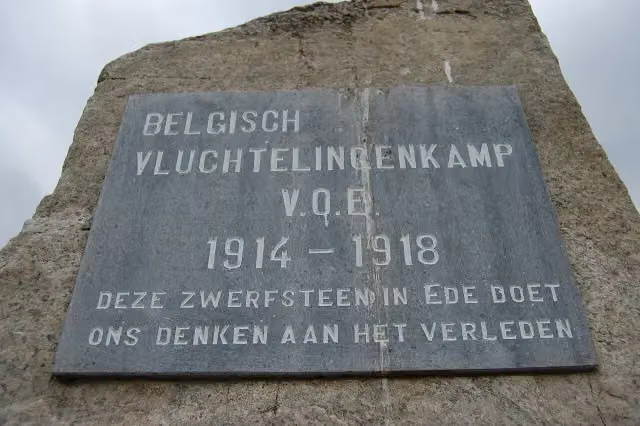
Memorial Belgisch Vluchtelingenkamp V.O.E. 1914-1918 in Ede

Belgisch Vluchtelingenkamp V.O.E. 1914-1918 is a memorial in Ede, Gelderland. This place has a story in the app. 2 of the 50 well-known points of interest nearby are within 1 km. Within 940 m you'll find a bench, a public toilet and a water point.

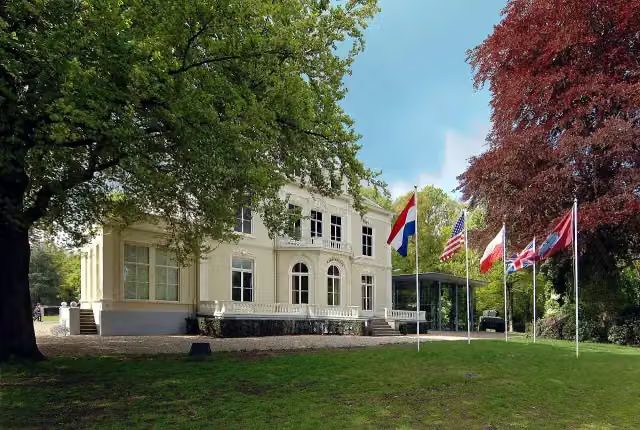
Memorial Belgisch Vluchtelingenkamp V.O.E. 1914-1918 in Ede
i
Photo: HenkvD · Wikimedia Commons · CC BY-SA 4.0View the photo on Wikimedia Commons
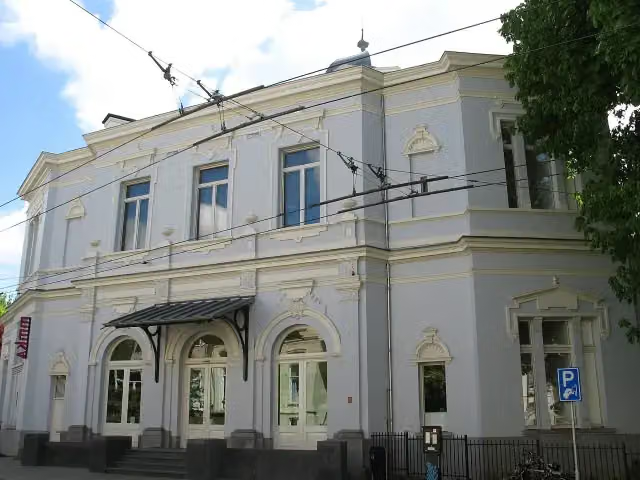
Memorial Belgisch Vluchtelingenkamp V.O.E. 1914-1918 in Ede, photo 2
i
Photo: P.J.L Laurens · Wikimedia Commons · CC BY 3.0View the photo on Wikimedia Commons
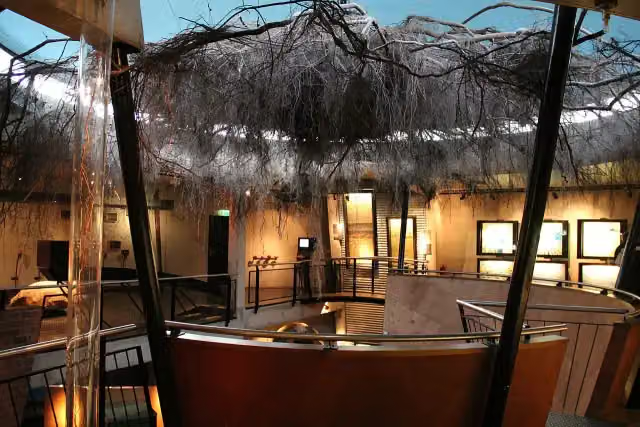
Memorial Belgisch Vluchtelingenkamp V.O.E. 1914-1918 in Ede, photo 3
i
Photo: P.J.L Laurens · Wikimedia Commons · CC BY-SA 3.0View the photo on Wikimedia Commons

The story

Story · Belgisch Vluchtelingenkamp V.O.E. 1914-1918

  • en
  • nl

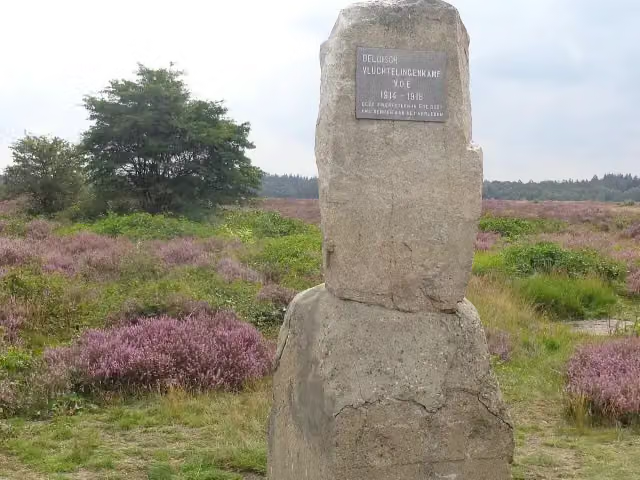
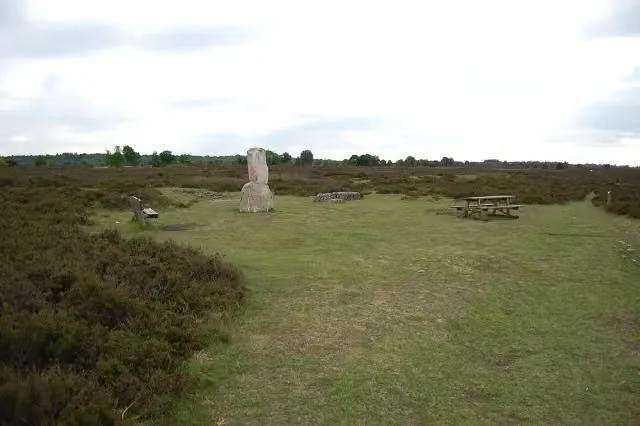
You're standing at the Belgian Monument on the Ederheide heath near Ede. It's a simple boulder, but it marks a remarkable spot. From 1915 to 1918, a whole village of Belgian refugees stood here.

Read the whole story in the Outdoor Pitstop app: check in at this place and it is yours (with Pro; new users are Pro for the first 4 weeks).
Photos

10 photos from Wikimedia Commons. In the app you add your own photo when you are there.

Memorial Belgisch Vluchtelingenkamp V.O.E. 1914-1918 in Ede
1 / 10
i
Photo: HenkvD · Wikimedia Commons · CC BY-SA 4.0View the photo on Wikimedia Commons

Belgian Refugee Camp V.O.E. 1914-1918: Memorial in Ede

This memorial in Ede commemorates a camp for refugees who fled to the neutral Netherlands during the 1914-1918 period. Many people crossed the border into the neutral Netherlands at the time. More than 5,300 of them ended up in Ede, in a camp that was almost a village of its own. The memorial stands on the Ederheide, on the heath between the provincial road and the Hessenweg. It is freely accessible, so you can walk over at your leisure.

The Belgian memorial stone

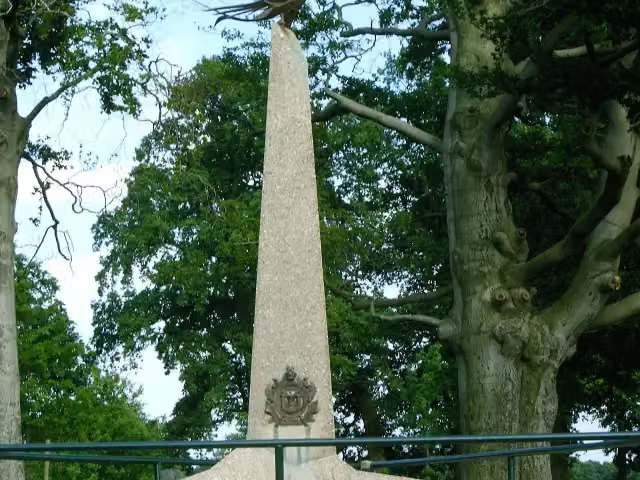
The memorial is a simple glacial boulder on the heath. It is not a large monument, but the stone marks a special spot. It stands roughly where the main streets of the former camp crossed, right in the middle of what was once the refugee settlement. Take a close look at the base: the stone rests on remains of the old foundations. Apart from that, there is almost nothing left of the barracks on the heath itself. There are no buildings and no streets can be recognised. What you see is mainly open space, and that emptiness shows just how large the site was. Standing beside the stone, you can look out over the heath and imagine where the districts once stood: Leyedorp, Maasdorp and Scheldedorp, along with the quarter that housed the facilities.

The history of the refugee camp

During the war, many people fled across the border to the Netherlands. From 1915 to 1918, a refugee camp on the Ederheide housed some of them. The refugees lived in barracks. The camp had a school, a hospital, a shop, workshops and a church. It also had its own power station, which provided light and drove the machines in the workshops. The camp largely looked after itself and even had its own police force. In 1918, after the war, the camp was dismantled. The refugees took much of the material home, where they used it to rebuild their country.

Toilet, drinking water and benches nearby

The monument itself has no facilities. There is no bench, public toilet or water tap within 500 metres, so bring your own drinks and plan your breaks in advance. The nearest bench is 546 metres away, at Militair Oefenterrein Ederheide, where you can sit for a moment before continuing. The closest public toilet is 779 metres away, at Noord Ginkel. The nearest water tap is 937 metres away, at Zuid Ginkel. It is always open and suitable for filling your bottle, so top up there if you pass by, which should give you enough water for the rest of your walk across the heath.

Facilities near Belgisch Vluchtelingenkamp V.O.E. 1914-1918

The nearest pitstop of each kind within 1 km, as the crow flies. No bike pump or honesty box within 1 km.

Well-known points of interest nearby

50 well-known points of interest nearby, those with an audio tour first. 2 of the 50 well-known points of interest nearby are within 1 km.

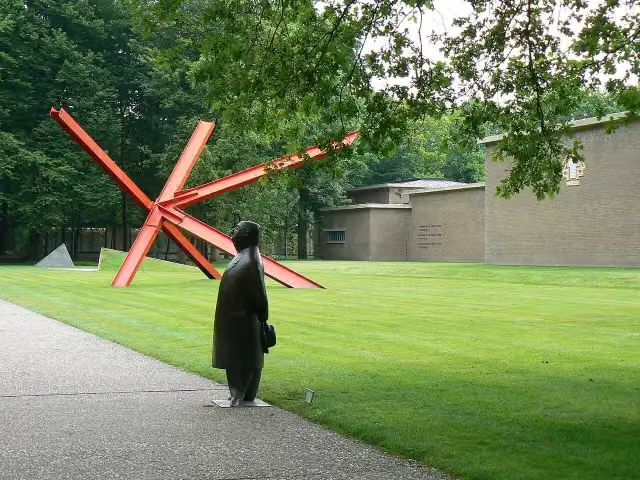
Kröller-Müller Museum
MuseumAudio story · 2 min

Kröller-Müller Museum · 9 km

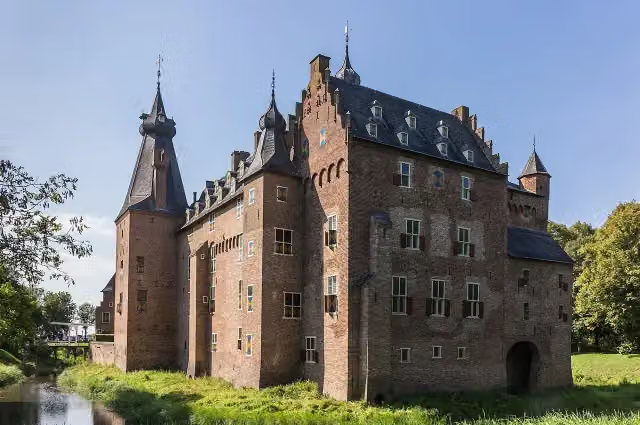
Kasteel Doorwerth
CastleAudio story · 2 min

Kasteel Doorwerth · 9.4 km

i
Photo: Agnes Monkelbaan · Wikimedia Commons · CC BY-SA 4.0View the photo on Wikimedia Commons
Airborne Museum 'Hartenstein'
MuseumAudio story · 2 min

Airborne Museum 'Hartenstein' · 9.6 km

i
Photo: Airborne Museum 'Hartenstein' · Wikimedia Commons · CC BY-SA 3.0View the photo on Wikimedia Commons
Museum Arnhem
MuseumAudio story · 2 min

Museum Arnhem · 13.1 km

i
Photo: Basvb · Wikimedia Commons · CC BY-SA 3.0View the photo on Wikimedia Commons
Museonder
MuseumAudio story · 2 min

Museonder · 9.7 km

i
Photo: Richard Broekhuijzen · Wikimedia Commons · CC BY-SA 3.0View the photo on Wikimedia Commons

Hear the story of Kröller-Müller Museum on the spot with the app

Also within walking distance

The 2 nearest points of interest with a story, within 2 km.

  1. 1Airborne memorialMemorial · 870 m away
  2. 2Vensters op het verledenMemorial · 880 m away
All 39 points of interest in Ede →

Explore further

Frequently asked questions

What is the Belgian Monument on the Ederheide?

The Belgian Monument is a simple glacial boulder marking the site of the Belgisch Vluchtelingenkamp V.O.E. 1914-1918 in Ede. From 1915 to 1918, an entire village full of Belgian refugees stood here.

How many Belgian refugees lived in the Belgian Refugee Camp in Ede?

Over 5,300 Belgian refugees ended up at the Ede Refugee Camp. The camp had a school, a hospital, a shop, workshops, a church and its own power station, among other facilities.

What were the residential districts of the Belgian Refugee Camp in Ede called?

The three residential districts were called Leyedorp, Maasdorp and Scheldedorp, named after Belgian rivers. The fourth quarter contained the camp's facilities.

Why is there almost nothing left to see of the Belgian Refugee Camp in Ede?

The camp was demolished in 1918 after the war, and the Belgian refugees took much of the material home to rebuild their own country. Only the stone, which rests on remains of the old foundations, still marks the spot.

Is the Belgian Monument on the Ederheide freely accessible?

Yes, the monument lies freely accessible on the heath between the provincial road and the Hessenweg. The nearest bench is 546 metres away, at Militair Oefenterrein Ederheide.

Is there a toilet or water tap at the Belgian Refugee Camp in Ede?

No, there are no public toilets or water taps within 500 metres. The nearest public toilet is 779 metres away at Noord Ginkel, and the nearest water tap is 937 metres away at Zuid Ginkel.

Nearby

More well-known points of interest nearby

The free app

All of Outdoor Pitstop, in your pocket

Find the nearest pitstop, navigate there, listen to audio tours, earn XP and make routes and lists together.

Download on the App StoreGet it on Google Play
How Outdoor Pitstop works →
The map of the app with pitstops nearby
A pitstop in the app, with a photo, a review and Navigate
Your profile in the app, with level and XP