National Museum of Serbia: art and history
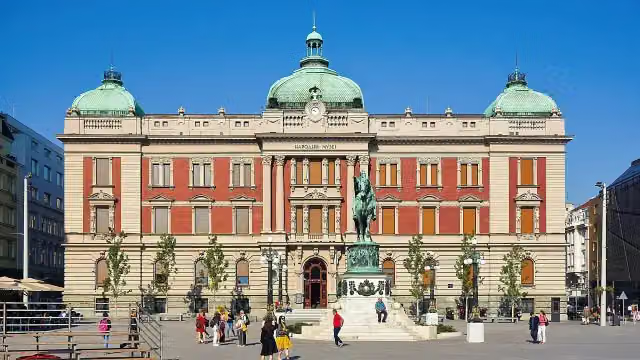
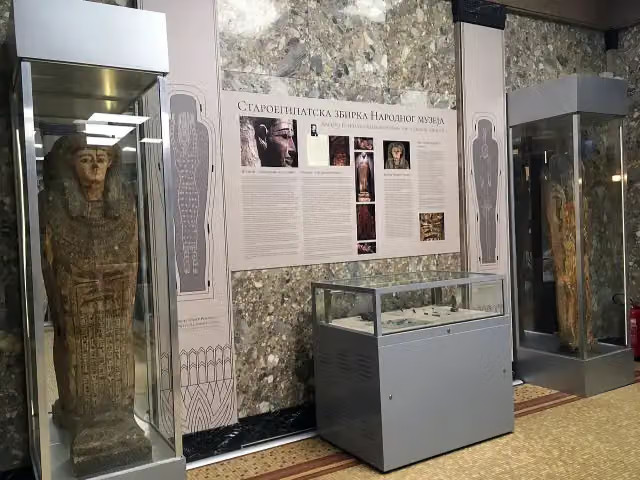
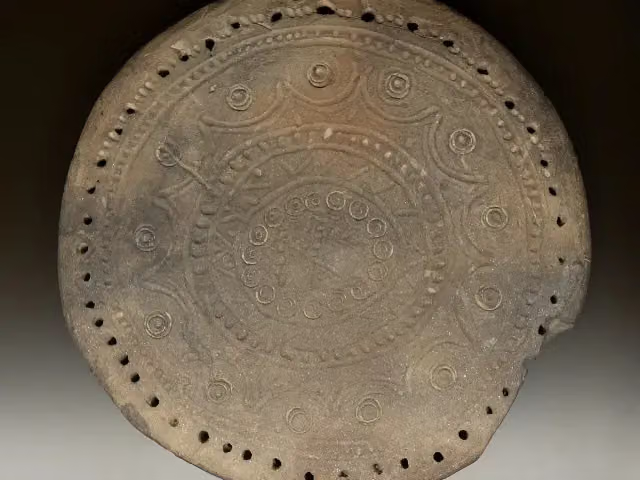
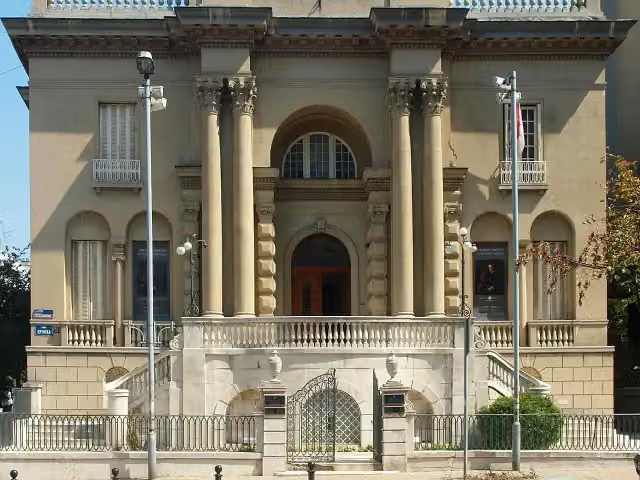
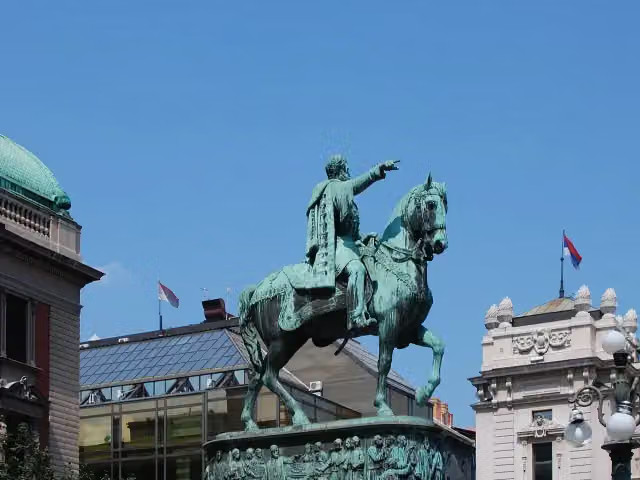
The National Museum of Serbia is the oldest and largest museum in Belgrade, bringing together art, archaeology and history under one roof. The collection numbers more than 400,000 objects. Visitors can see prehistoric figurines, gold masks and a gold sarcophagus with a mummy. The most important part of the collection is the group of works by Matisse, Renoir, Degas and Cézanne, and there is also work by Van Gogh. The museum stands in the Stari Grad district of Belgrade. The building dates from 1903. The Ethnographic Museum is 435 metres away.
A History of the National Museum of Serbia
The building was not always a museum. Architects Andra Stevanović and Nikola Nestorović designed it in 1902 and 1903 for the Uprava Fondova, the oldest financial institution in Belgrade, and won a design competition for the project. The site had previously been occupied by the café Dardanellen, where the cultural and artistic elite of the time met.
The museum itself is much older. It was founded on 10 May 1844 and has moved many times since. During the war, the buildings it occupied were destroyed and its art was looted. In the next war, the bank building was bombed, and the central section with the dome was lost. The museum moved into the building in 1950. From 2003 to 2018 it was closed for a renovation that dragged on for years. It reopened on 28 June 2018 and has officially been called the National Museum of Serbia since 8 April 2021.
 Outdoor Pitstop