Outdoor Pitstop

What is scrambling?
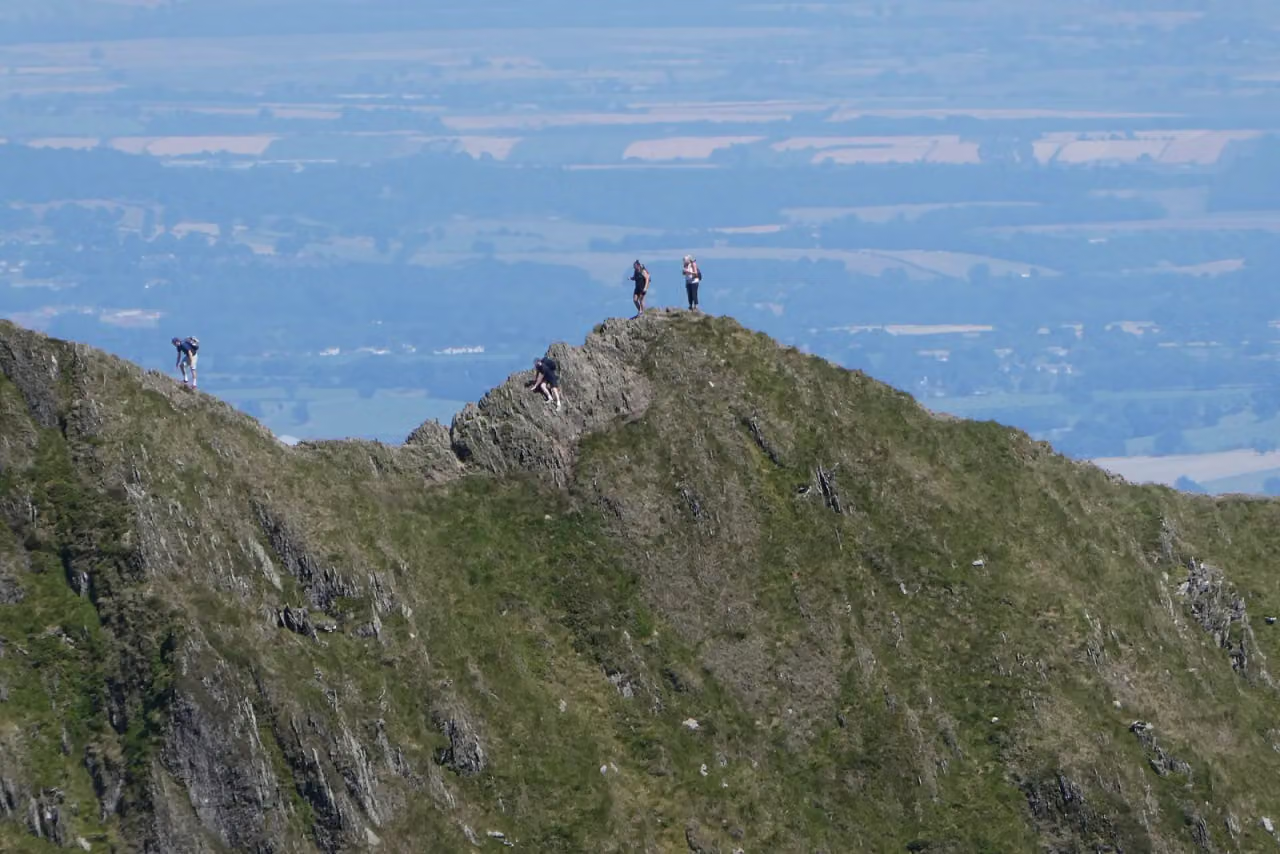
Scrambling sits between hillwalking and rock climbing. The BMC calls it essentially easy rock climbing through mountain scenery: on a scramble you use both hands and feet, often in airy positions. One BMC instructor points out that it is a rather British word; in other countries the same thing would simply be called mountaineering.
A rock scramble is not automatically the safe, gentle cousin of climbing. The BMC warns that it can be the more serious of the two, especially at the higher grades, because people usually go without a rope or with very little protection. Route finding matters more than on a path, as it is easy to stray onto steeper, more technical ground, and loose rock is one of the biggest dangers.
For most hillwalkers the way in is the same: walking routes that take in a ridge or a rocky step where you need your hands for a few moves. Mountaineering Scotland describes it as a natural continuation of hillwalking, for people who have grown more confident and want a bigger challenge.
- Between
- hillwalking and rock climbing
- Grades in the UK
- 1 to 3
- Main hazards
- loose rock, route finding, exposure
Grades of scramble: 1, 2 and 3
Scrambles in the UK are generally graded from 1 to 3, says the BMC, though the exact scale depends on the guidebook. The examples are the ones the BMC gives.
- Grade 1Essentially an exposed walking route, with many difficulties avoidable. Usually done without ropes. Examples: Crib Goch, Striding Edge, the north ridge of Tryfan, Jack's Rake.Exposed walking
- Grade 2Blurs the line with rock climbing: sections where a nervous scrambler wants a rope, and a leader who is confident on exposed ground. Example: the Aonach Eagach above Glen Coe.Rope at times
- Grade 3Often listed in climbing guides as Moderate, the easiest climbing grade. Expect the rope on several sections, up to about Difficult. Examples: Pinnacle Ridge and the Cuillin Ridge on Skye.Rope expected
How to start scrambling: the steps
The advice of the BMC and Mountaineering Scotland, put in order for a hillwalker who wants to move up:
- Begin on grade 1. The BMC calls grade 1 terrain the natural progression for walkers. Spend time on ground that is not committing before you take on the classic ridges.
- Go with someone who knows the ground. An experienced friend, a club or a qualified instructor or guide, say both councils. Mountaineering Scotland adds that learning the skills yourself makes you more self-reliant in the mountains.
- Check the descent before you go. Take a map, compass and guidebook, so you find both the scramble and a safe way down, plus a head torch in case you are late off the hill.
- Wear stiff footwear. The BMC prefers footwear with a stiff sole and a solid edge for small footholds; flexible trail shoes are unsuitable for steeper scrambles.
- Think about a helmet. The BMC says a helmet is a good idea against loose rock. One of its experts puts one on once he is on ground where he plans to use a rope.
- Learn rope skills before grade 2. Climb to at least V Diff or take a course in scrambling before serious grade 2 or 3 routes, and practise abseiling, because you may need to retreat.
In the rain you can still go, says the BMC's expert: choose popular ridges where the rock is more solid and drains well, and avoid vegetated faces.
What to take on a scramble
From the kit lists of the BMC. The rope and rack are for grade 2 and 3; most walkers need no extra gear for grade 1.
Crib Goch scramble: the classic grade 1 ridge
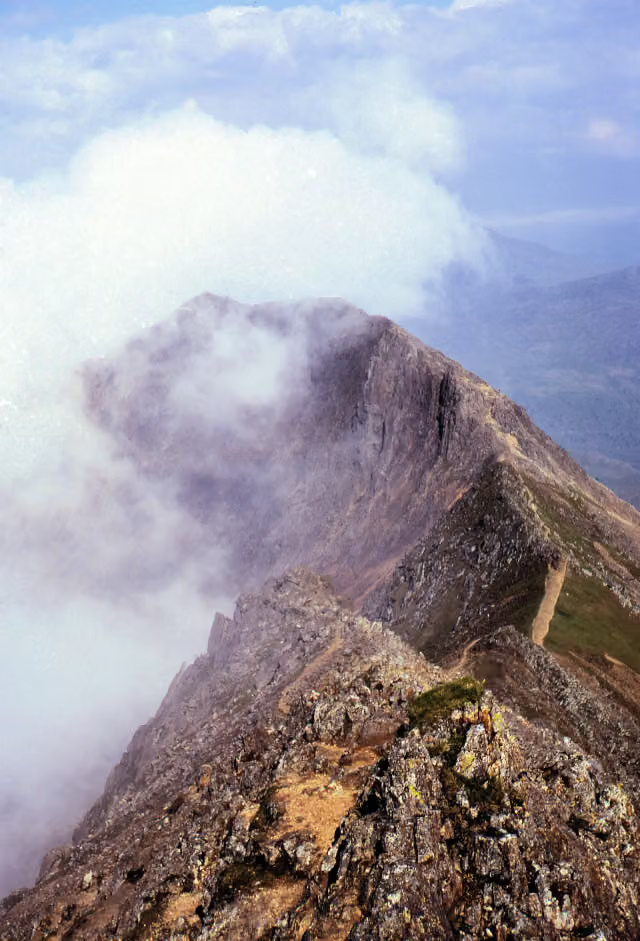
Crib Goch on Snowdon (Yr Wyddfa) is the scramble most hillwalkers have heard of. The BMC lists it as a grade 1, alongside Striding Edge on Helvellyn, the north ridge of Tryfan and Jack's Rake on Pavey Ark, and calls it one of the most popular ridges in the country. As a grade 1 it can typically be done without a rope, and the BMC expert who instructs in Snowdonia says he would not take a helmet on it.
Grade 1 does not mean easy for everyone, though. The BMC mentions knee-trembling sections even on these popular ridges, and a grade 1 is still an exposed route. The pages I read do not describe the line, the length or the way down, so plan those with a guidebook and a map rather than from this guide.
In Scotland, Mountaineering Scotland shows students roped up on Curved Ridge, a classic scramble, and names the Aonach Eagach in Glen Coe and the Skye Munros as goals that bring walkers to scrambling.
Ghyll scrambling in the UK and gorge scrambling
Ghyll scrambling and gorge scrambling share the name, but they are a different day out: as the words suggest, they follow a stream or gorge rather than a dry ridge. The BMC and Mountaineering Scotland pages this guide is built on deal with scrambles on rock, ridges and mountain faces, and they do not cover ghyll or gorge scrambling. That is why I give no advice about them here and do not tell you where to go or who to book with.
From our data
Water, toilets and benches in the United Kingdom
- Water points
- 2,923
- in the United Kingdom
- Public toilets
- 13,915
- in the United Kingdom
- Benches
- 188,102
- in the United Kingdom
As of 28 November 2026, from the Outdoor Pitstop database. The whole United Kingdom. Fill your bottle and use a public toilet in the valley: on a ridge there are none.
Before and after the scramble: water, toilets and a bench
A scramble is mostly a few hours of rock in the middle of a long mountain day, and there is nothing to refill or use on the ridge itself. Fill your bottles before you leave the valley and use a public toilet at the car park or in the village; your hands are busy on a scramble, so carry water where you can reach it during a stop on easy ground.
Afterwards a bench at the foot of the hill is a good place to change out of stiff boots and look back at the line you took. See the water fountains and refill points in the United Kingdom, the public toilets in the United Kingdom and the benches in the United Kingdom.
In the app I can see 2,923 water points, 13,915 public toilets and 188,102 benches in the United Kingdom.
Scrambles and routes in the app
We have no walking routes or scrambles for the United Kingdom and Ireland in the app yet. The pitstops near the hills are on our country pages.
Pitstops in the United Kingdom →Pitstops in Ireland