Outdoor Pitstop

Walking on the beach: why the tide decides your walk
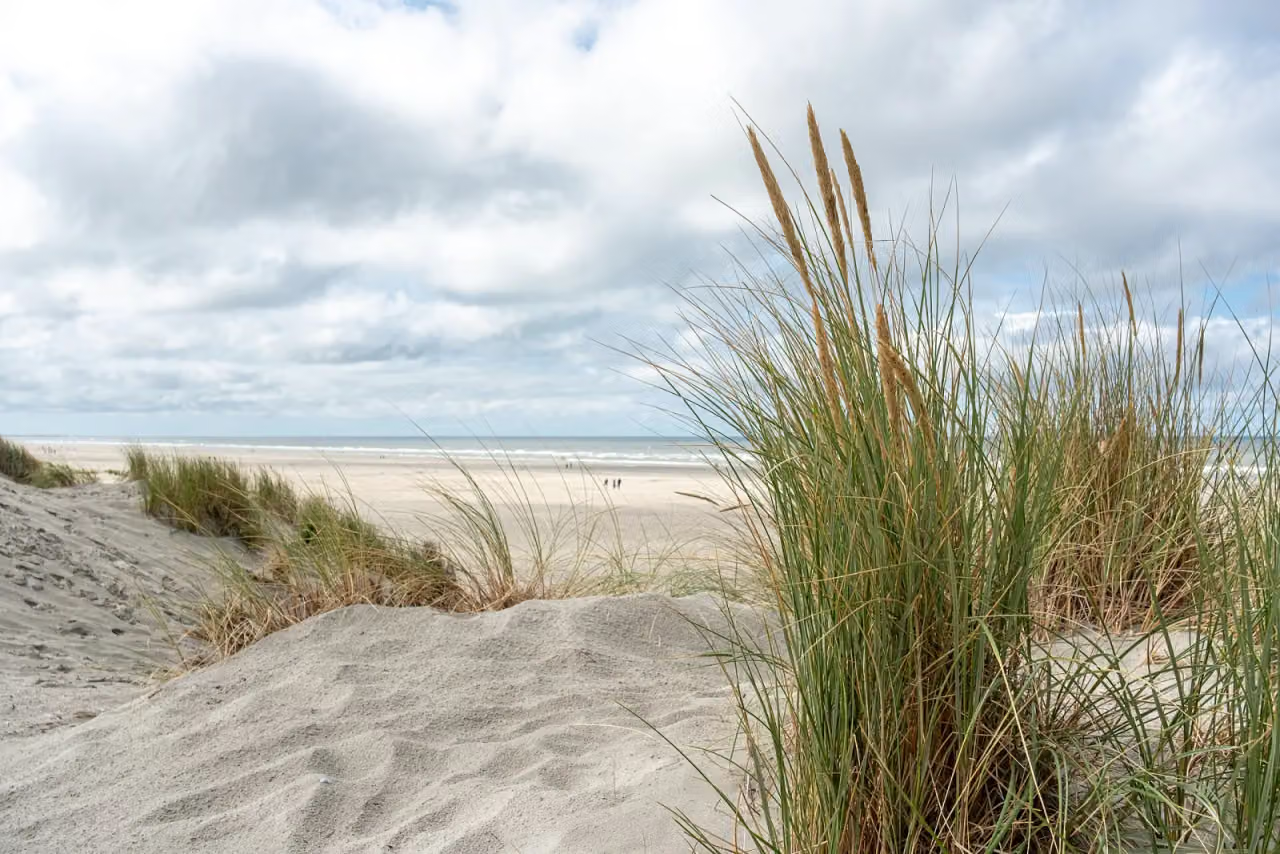
A beach has two kinds of going. High up, near the dunes or the sea wall, the sand is dry and loose and your feet sink in with every step. Lower down, where the sea has just been, the sand is wet and packed. How much of that firm strip there is depends on the tide: around low water the beach is at its widest, around high water some beaches shrink to a band of soft sand, and on narrow stretches below cliffs there may be no beach at all.
The RNLI points out that the tide comes in and goes out twice in every 24 hours, and that the times can be predicted accurately but differ from place to place and shift from day to day. That is why a time you remember from last week, or from the next bay, is no use today. The RNLI also warns that during high spring tides places can be cut off faster than usual, and that spots not normally known for it can be cut off too.
The risk is real. Research by the RNLI and Bangor University, published in April 2025, found that around 15% of people in the UK and Ireland say they have been cut off by the tide, or nearly so, and that about 60% of them were shocked at how fast it happened. Only half said they check tide times before a beach visit.
- Tides
- In and out twice every 24 hours
- Times
- Differ per place and per day
- Best going
- Firm wet sand, around low water
- Emergency
- 999, ask for the Coastguard
How to plan a beach walk: the steps
- Look up the tide times for the beach you will walk. ADMIRALTY EasyTide, the free service of the UK Hydrographic Office, gives tide times for the next seven days per coastal location or port; the RNLI also points to the Met Office. EasyTide lets you show times in GMT or GMT+1, so check which one you are looking at in summer.
- Start on a falling tide. Set off while the water is going out, so the widest strip of firm sand is ahead of you, and keep an eye on the time of the next high water.
- Choose where you join and leave the beach. A beach walk runs from one way down to the next. Pick exits you can still reach at high water, and check which ones have a public toilet, a tap or a bus stop nearby.
- Remember your way back. Note where you came down to the beach, so you can find the same way up again.
- Take water and an extra layer. A beach has little shade and seawater is not drinking water; out of season many cafés and kiosks are closed.
- Turn back in good time. The RNLI advises watching for the incoming tide and leaving enough time to get back safely. If you cannot read the tide table, ask locally.
- In an emergency, call 999 and ask for the Coastguard.
- Tide times
- ADMIRALTY EasyTide, Met Office
- Start
- On a falling tide
- Turn back
- Well before high water
Benefits of walking on sand: more effort per step
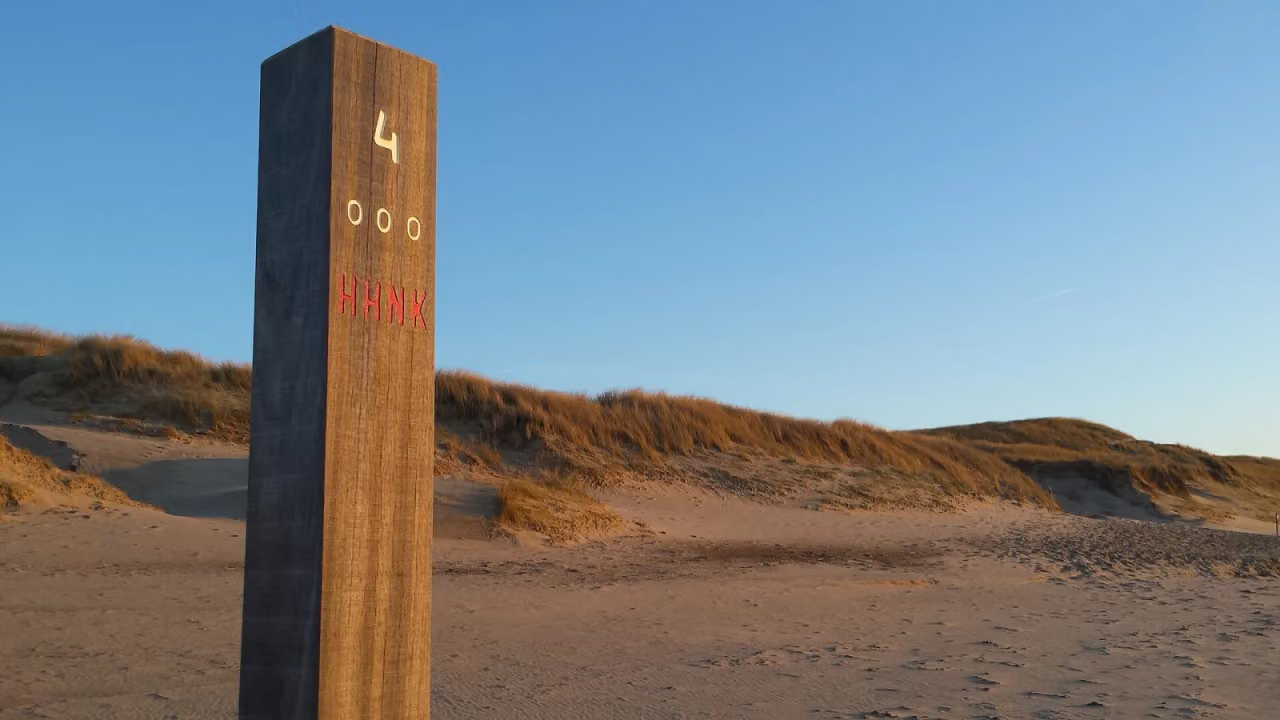
Sand makes a walk harder work than the same distance on a path. In a study in the Journal of Experimental Biology (1998), Lejeune, Willems and Heglund measured that walking on sand takes 1.6 to 2.5 times more mechanical work, and 2.1 to 2.7 times more energy, than walking at the same speed on a hard surface. The extra cost comes from the work your legs do on the sand itself and from muscles and tendons working less efficiently on a surface that gives way.
What that means for a beach walk: the same kilometres on soft sand take longer and tire you more, so plan a shorter distance than you would inland, or keep to the firmer sand near the waterline where you can. The study measured energy and effort; it does not make health claims beyond that, and neither do I.
- Mechanical work
- 1.6 to 2.5 times a hard surface
- Energy
- 2.1 to 2.7 times a hard surface
Walking on sand barefoot or in shoes
Walking barefoot on the firm wet sand keeps the sand out of your socks. The sources I read for this guide do not give advice for or against barefoot walking, so I leave the choice to you. What they do say: sand takes more effort than a hard surface, so walking barefoot through soft sand is still hard work for your legs.
If you walk in shoes and take them off for a paddle, empty your shoes on a bench at the top of the beach before you put them back on, and pack a spare pair of socks.
Blisters from walking on sand
Blisters are mostly caused by friction, says the NHS, and sand in a sock or shoe is friction you carry with you. Its prevention advice applies on the beach too: wear comfortable, well-fitting shoes, wear new shoes only for short walks until they are comfortable, choose thick, moisture-wicking socks and change socks often if your feet get sweaty, or wet.
If a blister does appear, the NHS advice is to keep it clean, cover it with a soft plaster or padded dressing and not to burst it or peel off the skin. Do not walk on in the shoes that caused it until it has healed. Most blisters heal on their own within a week. Get help from 111 if a blister looks infected (hot, filled with green or yellow pus, or with red skin around it) or keeps coming back. More on this is in the guide blisters on a walk.
- Cause
- Mostly friction
- Heals
- Usually within a week
- Infected?
- Contact 111
A beach walk with your dog
Whether your dog is welcome on a beach depends on the council, the beach and the time of year. Councils can set the rules in a Public Spaces Protection Order (PSPO); look for the sign at the beach entrance. Cornwall is a good example: in its 2025 consultation the council described seasonal dog restrictions on 46 beaches. On most of them dogs were not allowed from 10am to 6pm between 1 July and 31 August, on Blue Flag and Seaside Award beaches from 15 May to 30 September, and three protected wildlife areas in the Hayle estuary were closed to dogs all year. Ignoring a PSPO there can mean a £100 fixed penalty. Many other beaches have no dog restrictions at all, and private beaches can set their own.
Cornwall Council points out that even on its restricted beaches you can still walk a dog in the early morning and the evening in summer. Take water for your dog, because seawater is not drinking water. More tips are in the guide walking with your dog.
- Rules set by
- The council (PSPO)
- Where to check
- Signs at the beach entrance
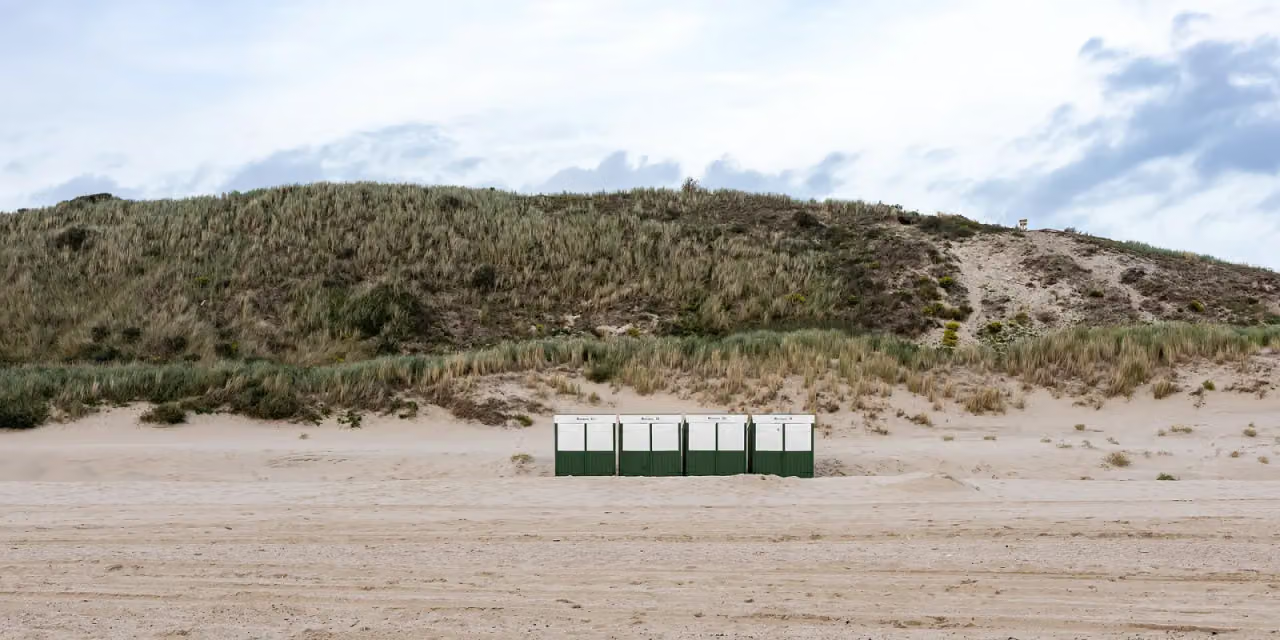
Public toilets, water taps and benches by the beach
On the beach itself there is almost nothing. Public toilets, taps and benches are at the access points, on the promenade and by the beach cafés, and some of them are only open in season. Some water taps in our data are marked as off in winter, so out of season fill a bottle before you head down to the sand.
A bench at the top of a slipway or on the promenade is the place to empty your shoes and look out to sea. See the public toilets in the United Kingdom, the water fountains and refill points in the United Kingdom and the benches in the United Kingdom on the map; walking in Ireland, see the public toilets in Ireland.
In the app I see 13,915 public toilets and 2,923 water points in the United Kingdom; 2 of them are marked as off in winter.
From our data
Public toilets, water points and benches in the United Kingdom
- Public toilets
- 13,915
- in the United Kingdom
- Water points
- 2,923
- in the United Kingdom
- Water points off in winter
- 2
- in the United Kingdom
- Benches
- 188,102
- in the United Kingdom
As of 28 November 2026, from the Outdoor Pitstop database. The whole United Kingdom, coast and inland. Pitstops come from OpenStreetMap and from reports by our users.
A longer beach walk along the coast
A beach walk is easiest as an out-and-back: walk one way along the sand and turn around. If you would rather not return the same way, look for a path along the top of the beach or the cliffs. In England the King Charles III England Coast Path is being developed as a National Trail; National Trails describes it as set to become the UK's longest coastal path. Parts of it run along beaches, so the same tide rules apply. More on walking by the sea is in the guide coastal walks.
Beach walking routes
We have no walking routes for the United Kingdom or Ireland in the app yet. The public toilets, water points and benches along the coast are on our country pages.
Pitstops in the United Kingdom →Public toilets in Ireland