Outdoor Pitstop

Cycle clothes: what makes them different?
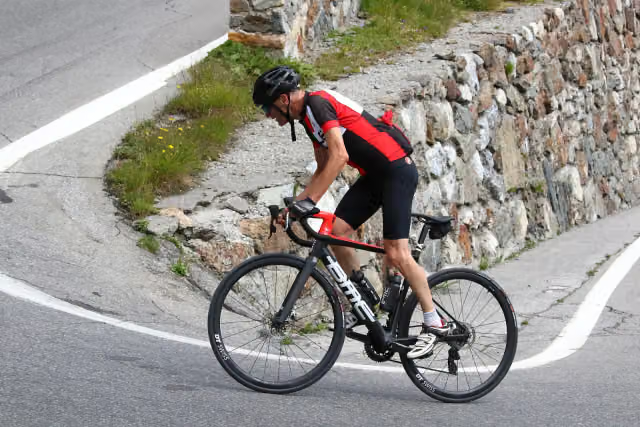
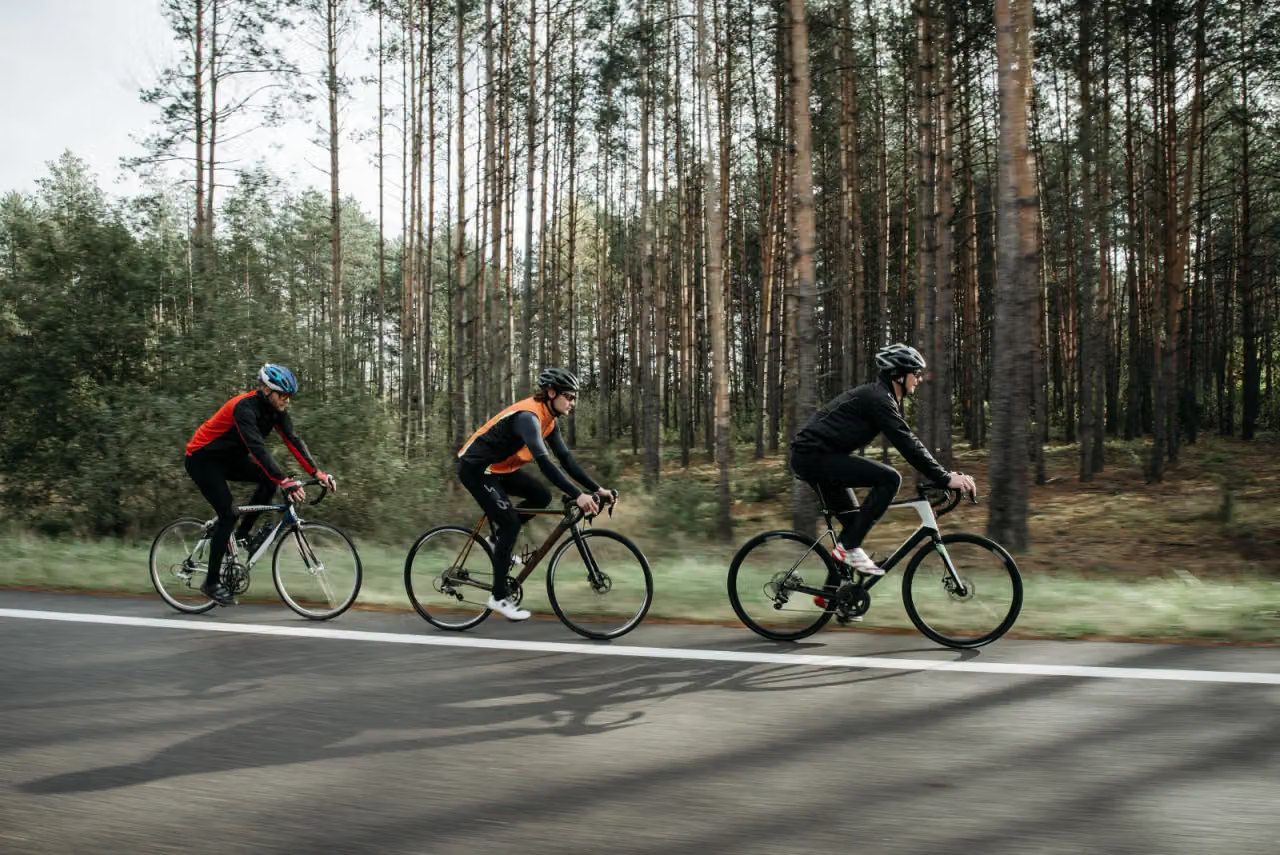
Cycle clothes look like other sportswear, but they are cut for the riding position and for hours in the saddle. Cycling UK's advice points to four things that set them apart:
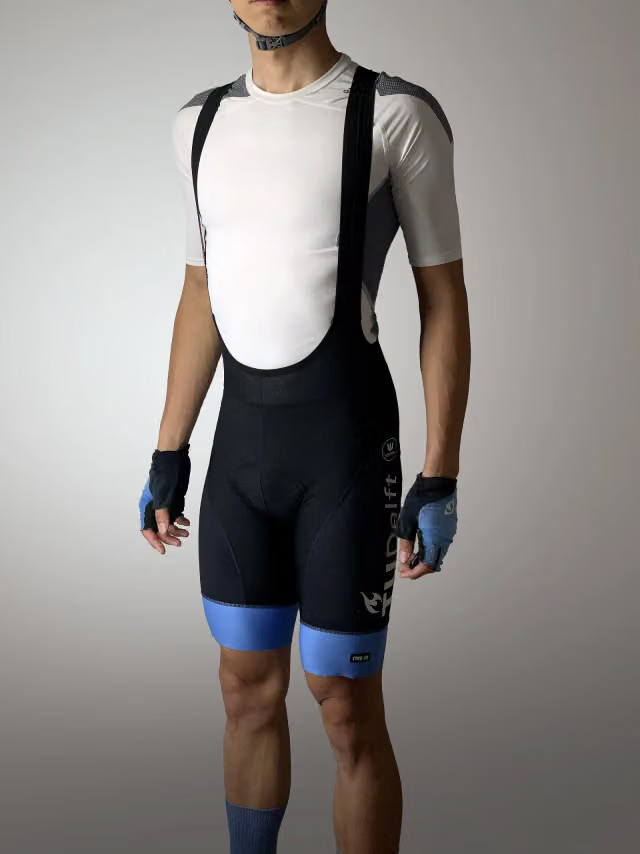
- The pad. Padded shorts have a soft insert where you sit, also called a liner or chamois. Bib shorts have straps over the shoulders, and their main job is to keep that pad in place: the more it moves, the sooner you get sore on a long ride.
- The fit. Stretchy, close-fitting fabric moves with you. Unlike wide trousers, it does not get caught in the chain or covered in oil.
- The fabric. Synthetic fabric and merino wool wick sweat away and dry faster than cotton.
- The layers. Several thin layers instead of one thick jumper, so you can adjust as you warm up.
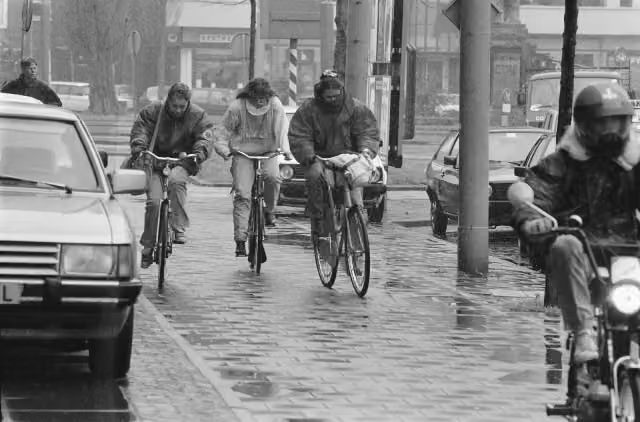
None of this is required. Cycling UK points out that in the Netherlands and Denmark, where far more people cycle than in the UK, most riders simply wear their normal clothes.
- Pad
- Worn without underwear
- Fit
- Close, nothing flapping
- Fabric
- Synthetic or merino, not cotton
- Layers
- Thin, easy to take off
What to wear cycling: a table for each kind of ride
How much cycling clothing you need depends mostly on how far and how fast you ride, and on the weather. A rule of thumb, based on Cycling UK's advice:
| Kind of ride | What to wear |
|---|---|
| Short, easy ride (to the shops or work) | Everyday clothes that do not restrict your legs, no wide or flared trouser legs, trainers with laces tied securely |
| Day ride or tour | Padded shorts, a breathable base layer and jersey, a packable rain jacket in a pocket |
| Road bike, fast pace | Bib shorts, base layer, cycle jersey, mitts, glasses that block UV |
| Mountain bike or gravel | Padded shorts or tights with baggy shorts over them, full-finger gloves in cooler weather |
| Cold or wet day | Long-sleeved base layer, bib tights, gilet or soft shell, waterproof jacket, overshoes, skull cap |
Cycling UK warns about jeans and wide trousers: jeans can rub and restrict your muscles, and wide legs can catch and tear. Cycle clips, long socks or a hairband keep them clear of the chain.
New to cycling? Do not buy everything at once. One Cycling UK writer wears padded shorts for rides of more than about 5 miles (8 km) and mitts for rides longer than about 45 minutes, but stresses that this is a personal choice.
Bike outfits in layers: how to dress, step by step
Cycling UK calls layering the secret to comfortable cycling all year round, on and off road. Dress from the skin outwards:
- Base layer. A thin top of synthetic fabric or merino that wicks sweat from your skin: sleeveless or short-sleeved in summer, long-sleeved in winter. Cycling UK notes that synthetic base layers can hold more odour than merino.
- Shorts or tights. Padded shorts in summer, padded tights when it is cold. Bib versions sit more securely than a waistband.
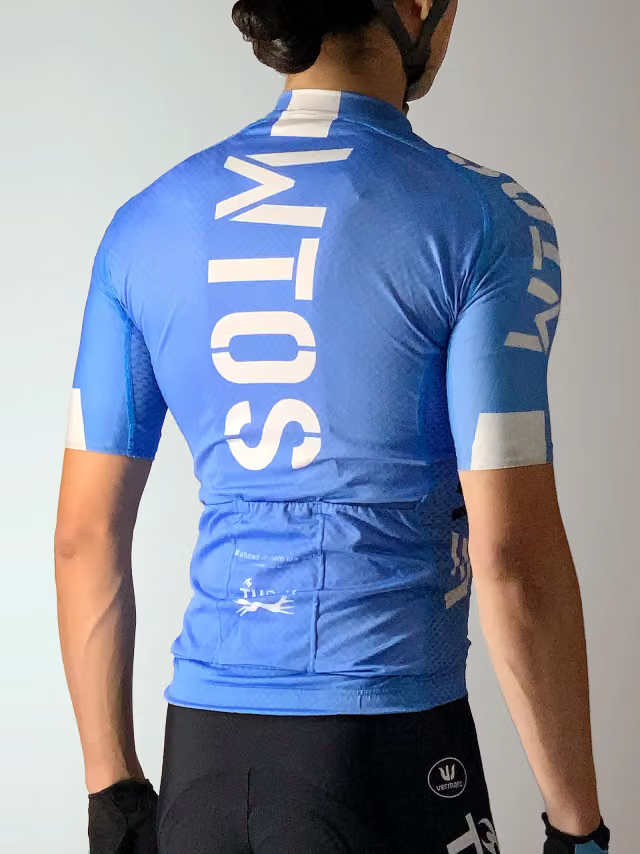
- Cycle jersey. Short or long sleeves, with a zip to let heat out.
- Arm and leg warmers. Tubes of stretchy fabric for a chilly start; roll them up into a pocket when the sun comes out.
- Gilet or soft shell. A windproof gilet keeps your torso warm; a soft shell jacket adds more warmth and some rain resistance.
- Waterproof jacket. The outer layer for rain, packed in a rear pocket until you need it.
You rarely need all six. On a warm day, shorts and a jersey are enough. On a cold, wet morning you may use every layer and take some off by lunchtime.
Cycle jersey: short sleeves, long sleeves or a base layer
A cycle jersey is a top of thin, quick-drying fabric with a zip at the front. It is cut longer at the back, so your lower back stays covered when you lean forward. On hot days, Cycling UK says breathability should come first: a good base layer is wasted if the jersey on top traps your sweat. Look for rear pockets too. On a summer ride without a jacket, the jersey carries your food, phone and mini pump.
- Short-sleeved jersey: the basic choice from spring to autumn.
- Long-sleeved jersey: for cold mornings and winter. A short-sleeved jersey with arm warmers does the same job and lets you strip off later.
- Base layer underneath: Cycling UK suggests having at least one short-sleeved and one long-sleeved base layer, and choosing by temperature.
A bright jersey also helps drivers see you. More about that in being seen on the bike.
The parts of cycling clothing
Bike jacket: gilet, soft shell or rain cape
A bike jacket differs from an everyday coat in its cut: Cycling UK points to the longer back, which covers your back and bottom when you lean forward. For a first ride, a simple thin waterproof that is not too long will do. Beyond that, there are three kinds of outer layer:
- Gilet: a sleeveless, usually windproof layer that keeps your chest warm and rolls up into a jersey pocket.
- Soft shell jacket: warmer, windproof at the front, often with some rain resistance. Cycling UK calls it the first line of defence for winter riding, and advises a breathable fabric if you are working hard.
- Rain cape or packable rain jacket: light enough to carry on every ride (see below).
In autumn and winter, rides often start or end in poor light, so look for reflective details on whichever jacket you wear.
Rainproof bike jacket: what matters
Few soft shells are fully waterproof, so most riders carry a separate rainproof bike jacket. Cycling UK names two things to look for. The first is keeping water out, which is the whole point. The second is breathability: you stay warm while you ride in the rain, and a jacket that does not let sweat out can leave you as wet inside as the rain would have.
A long tail flap stops wheel spray soaking the back of your shorts or tights. In summer, a rain cape fits in the rear pocket of your jersey. Despite the name, it is now a very light, packable jacket rather than an actual cape. For overshoes, waterproof trousers and the rest, see our guide to waterproof cycling clothing.
- First
- Keeps rain out
- Second
- Lets sweat out
- Cut
- Long tail against spray
Mountain bike clothes and cycling clothing for women
Mountain bike clothes use the same layers, with a looser look. Cycling UK says padded baggy shorts are fine for mountain biking. In cold weather, riders can wear baggy shorts over bib tights for the same comfort without the road look. Arm and leg warmers work under baggier clothes too.
Cycling clothing for women. Cycling UK advises women to choose padded shorts with a chamois designed for women, because it is more comfortable. Padded liners come in many forms, from ones that look like normal knickers to full bib shorts. You can wear a liner under baggy shorts, leggings or even a skirt. Cycling UK adds that women's padded shorts used to be hard to find in larger sizes, but some brands now cater for them.
Whatever the cut, the same rule applies: no underwear under padded shorts, just as you would not wear any under a swimming costume.
Which cycling clothing suits your ride?
What kind of ride are you planning?
Short ride
- Nothing wide that can catch in the chain
- A thin waterproof if rain is forecast
- Trainers with laces tied securely
Day ride
- Padded shorts, no underwear
- A base layer and jersey that wick sweat
- A packable rain jacket in a pocket
Road bike
- Bib shorts and a close-fitting jersey
- Mitts and stiff-soled shoes
- Glasses that block UV
Mountain bike
- Padded shorts or tights under baggy shorts
- Gloves for comfort on the bars
- Arm and leg warmers for a cool start
Cold and wet
- A long-sleeved base layer and bib tights
- A soft shell or gilet, with a waterproof on top
- Full-finger gloves, overshoes and a skull cap
Not sure where to start? If you buy one piece of cycling kit, Cycling UK suggests padded shorts.
Cycle cap, gloves, glasses and shoes
Besides the jersey, shorts and jacket, a few smaller items make a big difference to how comfortable you are. Each has its own guide.
- Cycle cap and neck warmer. Road helmets are built to cool your head, which does not help in winter. Cycling UK suggests a thermal skull cap or a traditional cycle cap under the helmet. A tube-style neck warmer can also be worn as a headband or to cover your face.
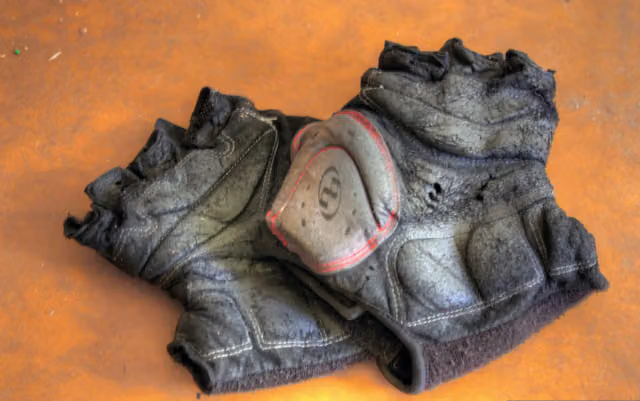
- Gloves. Light mitts in summer, for comfort on the bars and some protection in a fall; full-finger gloves when it gets cold. See cycling gloves.
- Glasses. Cycling UK advises lenses that block UV light. See cycling glasses.
- Shoes. A stiffer sole makes pedalling easier, but you do not need cycling shoes for a first ride. See cycling shoes.
- Helmet. Fit and sizes are covered in our guide to bike helmets.
In summer, Cycling UK also reminds riders to put sun cream on their arms, legs, face, ears and the back of the neck.
From our data
Water, toilets and bike pumps in the United Kingdom
- Water points
- 2,923
- in the United Kingdom
- Public toilets
- 13,915
- in the United Kingdom
- Public bike pumps
- 647
- in the United Kingdom
- Bike repair stations
- 274
- in the United Kingdom
As of 28 November 2026, from the Outdoor Pitstop database. The whole United Kingdom, from OpenStreetMap and reports by our users.
On the way: refilling, changing and pumping up
Cycling clothing changes how you plan your stops. A breathable jersey does not stop you sweating, so refill your bottle before it is empty, especially on hot days. In bib shorts you need a proper toilet rather than a bush, because the jersey has to come half off. And when you take off a layer or pull on a waterproof, a bench at a quiet spot is easier than the verge.
Public taps are on water fountains and refill points in the United Kingdom, toilets on public toilets in the United Kingdom and places to sit on benches in the United Kingdom. We have no cycling routes for the United Kingdom or Ireland in the app yet; the pitstops in the United Kingdom are sorted by region.
In our data for the United Kingdom I see 2,923 water points, 13,915 public toilets, 647 bike pumps and 274 repair stations. In the app I can spot where a tap and a toilet are close together and plan a stop there.