Skip to content
Outdoor Pitstop logoOutdoor Pitstop

Trail guide · Cycling

Cycling guide: how to ride a bike, where to go and what to take

This cycling guide brings together everything Outdoor Pitstop writes about riding a bike: how to start, the rules of the road, your bike and kit, and where to ride in the UK, Ireland and Europe. Pick a topic or a country below; each guide also says where to find bike pumps, water, toilets and benches on the way.

Summary

This cycling guide links every guide we have on bike riding, from a first ride to tours abroad. On the road, follow the Highway Code: lights at night, no pavements, a clear road position and a stop at red lights. Then pick a topic or a country, and find bike pumps, water and toilets on the way in the app.

· Founder of Outdoor Pitstop

Published · 5 min read

Checked in November 2026

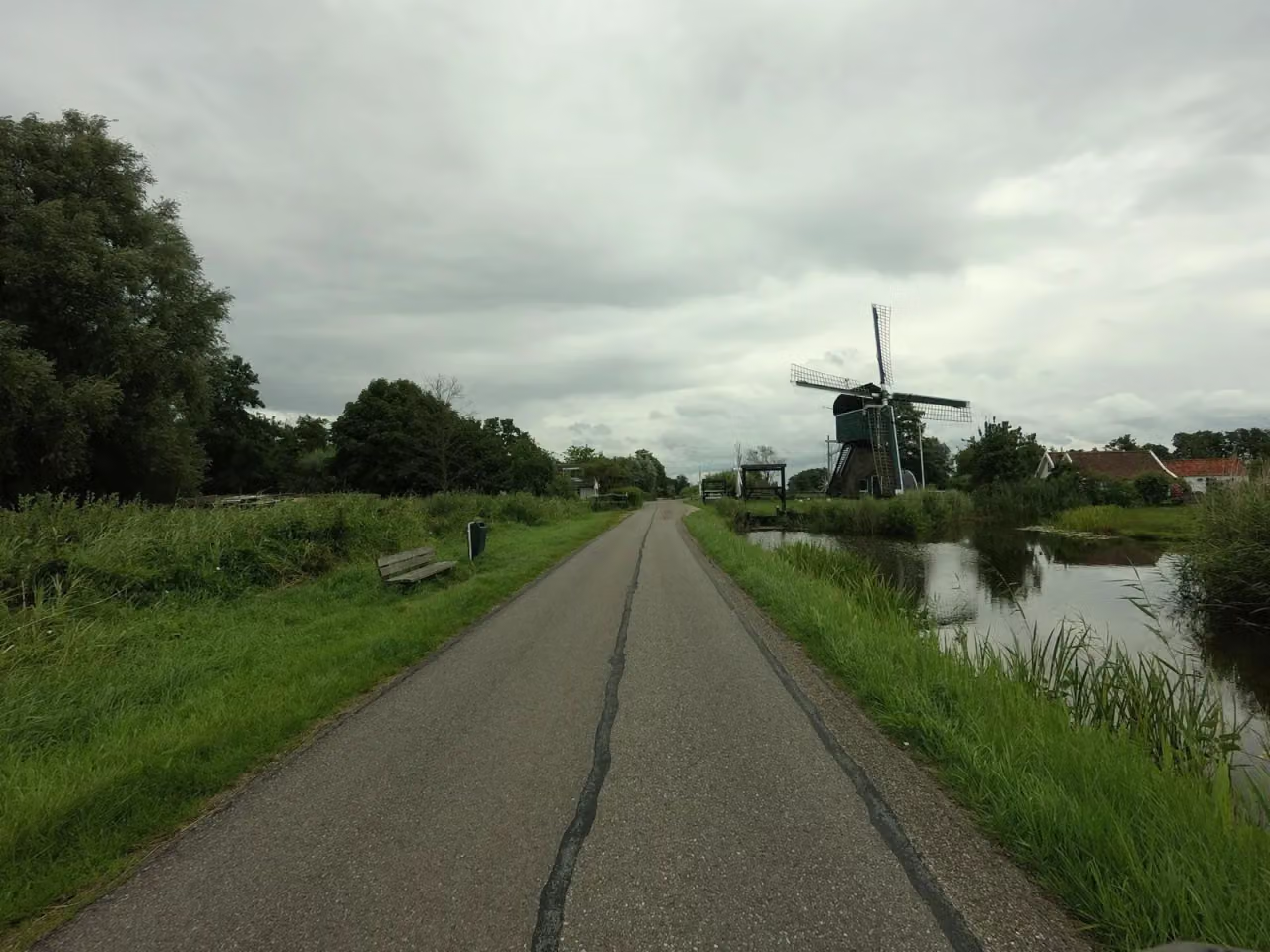
A cycle path beside a ditch, with a bench and a windmill in the distance
A cycle path by the Oostelijke Vechtplassen in Stichtse Vecht, the Netherlands · Photo: ankeric via Mapillary, CC BY-SA 4.0

Bike riding: where to start

Bike riding counts towards the exercise the NHS recommends. Its guidelines for adults aged 19 to 64 ask for at least 150 minutes of moderate activity a week, or 75 minutes of vigorous activity, spread over four or five days or more. The NHS lists riding a bike as a moderate activity, and riding fast or on hills as a vigorous one.

Never learned, or out of practice? In England, Bikeability is the national cycle training scheme, run by The Bikeability Trust for the Department for Transport. Level 1 is taught away from traffic, Level 2 on quieter roads and Level 3 on busier, more complex roads. There are courses for adults and families as well as children. Bikeability is not offered in Wales, and Scotland has a separate Bikeability website.

From there, the guides below go deeper: how far to ride, setting up your bike and what to wear.

Weekly aim (NHS)
150 min moderate or 75 min vigorous
Learn to ride
Bikeability Levels 1 to 3
Road rules
Highway Code, rules 59 to 82
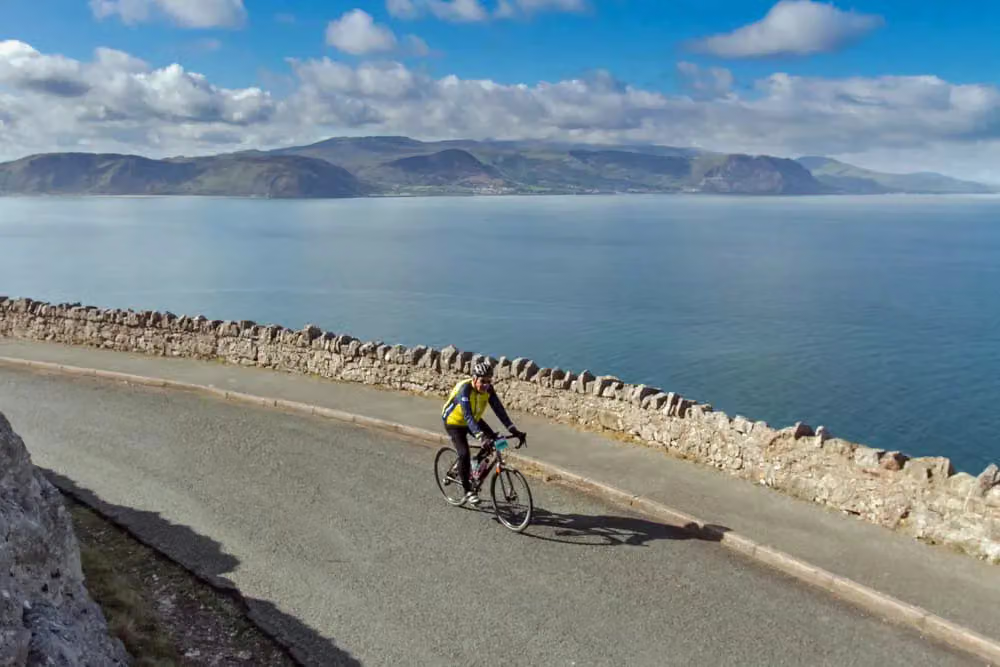
A cyclist in a helmet riding along a coast road with a low stone wall and the sea behind
Riding the coast road round the Great Orme, Llandudno, Wales · Photo: Steve Fareham via Wikimedia Commons, CC BY-SA 2.0

How to ride a bike safely on the road: the steps

The Highway Code has its own chapter for cyclists, rules 59 to 82. Rules written with MUST are backed by law. These are the steps that matter most before and during a ride:

  1. Make yourself easy to see. Avoid clothes that can catch in the chain or wheels or cover your lights. Light or fluorescent colours help by day, and reflective items help in the dark. The Code says you should wear a helmet that meets current regulations, fits and is fastened.
  2. Switch on your lights at night. Your bike must show a white light at the front and a red light at the back. It also needs a red rear reflector, and amber pedal reflectors if it was built after 1 October 1985.
  3. Choose where you ride. You must not cycle on the pavement. Use cycle lanes and tracks where they make the ride safer and easier, but you do not have to.
  4. Take a clear road position. Ride in the centre of your lane on quiet roads, in slow traffic and when approaching junctions where overtaking would be unsafe. On busier, faster roads let traffic pass, keeping at least 0.5 metres from the kerb. Pass parked cars with a door's width, about 1 metre, to spare.
  5. Stop at red lights. You must not cross the stop line on red. At an advanced stop line you may cross the first line, but not the final one.
  6. Ride with others considerately. Riding two abreast is allowed and can be safer in groups or with children, but let drivers behind you overtake when it is safe. On shared paths, slow down and let walkers and horse riders know you are there, with a bell or a friendly call.

The full rules for British roads are in cycling in the UK: rules of the road.
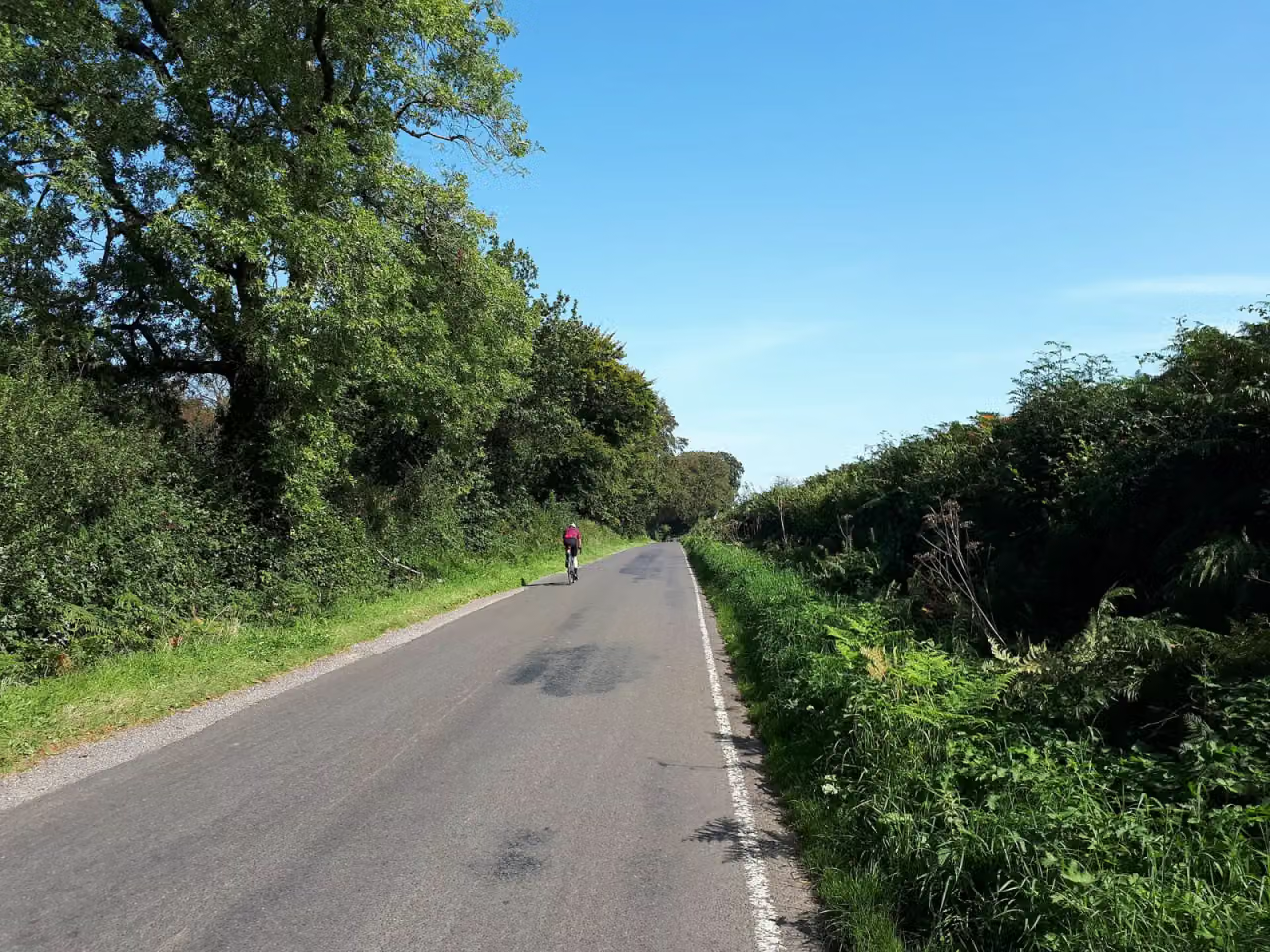
A cyclist riding along a quiet country lane between hedges and trees
A cyclist on a country lane near Wambrook, Somerset · Photo: Vieve Forward via Wikimedia Commons, CC BY-SA 2.0

Topics in this cycling guide

Where to ride: cycling guides by country

  • UK and IrelandUnited KingdomIreland
  • Western EuropeNetherlandsBelgiumLuxembourgFranceGermanyDenmark
  • Alps and mountainsThe AlpsSwitzerlandAustriaSloveniaAndorraCols and passes
  • Southern EuropeSpainPortugalItalyCroatiaMontenegroAlbaniaGreeceMaltaCyprus
  • Northern EuropeNorwaySwedenFinlandIceland
  • Central and Eastern EuropePolandCzechiaSlovakiaHungaryRomaniaBulgaria
  • Further afieldEurope: main routesTurkeyMorocco

From our data

Cycling in numbers

Pitstops in the database
3,403,403
in 44 countries
Public bike pumps
15,208
in 44 countries
Water points
246,983
in 44 countries
Public toilets
176,057
in 44 countries
Benches
2,958,560
in 44 countries

As of 28 November 2026, from the Outdoor Pitstop database. All countries in Outdoor Pitstop. Bike pumps, water taps, toilets and benches come from OpenStreetMap and from reports by our users.

Open the map with pitstops

Bike pumps, water and toilets on the way

This cycling guide is independent: we sell no bikes and recommend no brands. What we add is what you need between the start and the finish. A public bike pump fixes a soft tyre, and some are repair stations with tools as well. A water tap means you do not have to carry two full bottles on a hot day. A public toilet makes a long ride easier, and a bench is the place to eat, rest or patch a tube.

In the UK, see the benches, public toilets and water fountains and refill points. The app has cycling routes with their pitstops for the Netherlands, Germany, France, Spain and Italy. Routes for the United Kingdom and Ireland are not in the app yet, so there you find the pitstops on the map around a place.

In the app I see 15,208 public bike pumps and 246,983 water taps across all our countries.

Start here

Key takeaways

  • The NHS lists riding a bike as moderate exercise, and riding fast or on hills as vigorous exercise.
  • The NHS says adults should aim for at least 150 minutes of moderate activity a week, and riding a bike counts towards that.
  • Bikeability, the national cycle training scheme in England, has three levels and also teaches adults and families.
  • The Highway Code says a bike must have a white front light, a red rear light and a red rear reflector at night.
  • Cyclists must not ride on the pavement, but they are not obliged to use cycle lanes and tracks.
  • Outdoor Pitstop shows public bike pumps, water taps, toilets and benches, so you can plan stops on any ride.

Frequently asked questions

Is riding a bike good exercise?

Yes. The NHS counts riding a bike as moderate activity, and riding fast or on hills as vigorous activity. Adults should aim for 150 minutes of moderate or 75 minutes of vigorous activity a week.

Can you ride a bike on the pavement in the UK?

No. The Highway Code says you must not cycle on a pavement. Where a cycle track runs beside a footpath, keep to the side marked for cyclists.

Do you need lights on a bike?

At night, yes. The Highway Code says a bike must have a white front light and a red rear light switched on. It also needs a red rear reflector, and amber pedal reflectors on bikes made after 1 October 1985.

Do you have to wear a helmet to ride a bike?

The Highway Code says you should wear a cycle helmet that meets current regulations, is the right size and is securely fastened. It is written as a 'should' rule, not as a MUST rule.

Where can adults learn to ride a bike?

In England, Bikeability runs cycle training for adults and families as well as children, from riding away from traffic to riding on busy roads. Bikeability is not offered in Wales, and Scotland has its own Bikeability website.

Where can I find a bike pump on a ride?

Public bike pumps are on the map in the Outdoor Pitstop app, and some of them are repair stations with tools as well.

Sources

  1. GOV.UK, The Highway Code: rules for cyclists (59 to 82) · gov.uk · clothing and helmet (59), lights and reflectors (60), cycle lanes not compulsory (61), cycle tracks (62), bell and shared paths (63), no pavement cycling (64), two abreast (66), door's width (67), red lights and advanced stop lines (71), road position and 0.5 m from the kerb (72)
  2. NHS, Physical activity guidelines for adults aged 19 to 64 · nhs.uk · 150 minutes moderate or 75 minutes vigorous a week, 4 to 5 days; riding a bike moderate, fast or on hills vigorous
  3. Bikeability, Find cycle training · bikeability.org.uk · Levels 1 to 3, courses for adults and families, run by The Bikeability Trust for the Department for Transport, not in Wales, separate site for Scotland
  4. Outdoor Pitstop · outdoorpitstop.com · bike pumps, water taps, toilets and benches (live numbers)

Last checked in November 2026. Outdoor Pitstop figures come from our own database; the date is with each block.

Written by

Robin

Founder of Outdoor Pitstop

Robin started Outdoor Pitstop to always know where the next toilet, water tap or bench is on the way.

About this guide

What I write here comes from what we keep track of in Outdoor Pitstop: the pitstops, routes and photos in the app, and what users report on the way. I check rules, opening times and facts about nature with the official sources. Spotted something that is not right? Let me know and I will correct it.

Checked in November 2026 · Last updated

How we work

More guides

Other topics in Trail guide

In the app

Cycling with the app

Download the app and open the map with pitstops before you set off, or check it on the way.

  • The nearest public bike pump or repair station
  • Water taps and public toilets along your ride
  • Cycling routes with their pitstops in the Netherlands, Germany, France, Spain and Italy
Download on the App StoreGet it on Google Play

More from Trail guide

The free app

All of Outdoor Pitstop, in your pocket

Find the nearest pitstop, navigate there, listen to audio tours, earn XP and make routes and lists together.

Download on the App StoreGet it on Google Play
How Outdoor Pitstop works →
The map of the app with pitstops nearby
A pitstop in the app, with a photo, a review and Navigate
Your profile in the app, with level and XP