Outdoor Pitstop

Are there midges in Scotland? The season at a glance
Yes, and plenty of them. A NatureScot factsheet on the Highland biting midge says 37 species of Culicoides midges have been recorded in Scotland. One of them, the Highland midge (Culicoides impunctatus), causes up to 90% of the bites on people. Only the females bite, because they need blood to grow their eggs.
VisitScotland gives the midge season as May to October, with the most activity in the middle of summer. The factsheet adds more detail. The adults emerge between mid-May and July, mass attacks are typical of July and August, numbers drop in September and the first frosts of autumn kill the rest. The Highlands then stay free of midges until the following May. The exact dates change with the weather every year, so treat these months as a guide, not a promise.
- Season
- May to October
- Peak
- July and August
- Worst time of day
- dawn and dusk
- Main species
- Highland midge
- Bites
- itchy, no disease (VisitScotland)
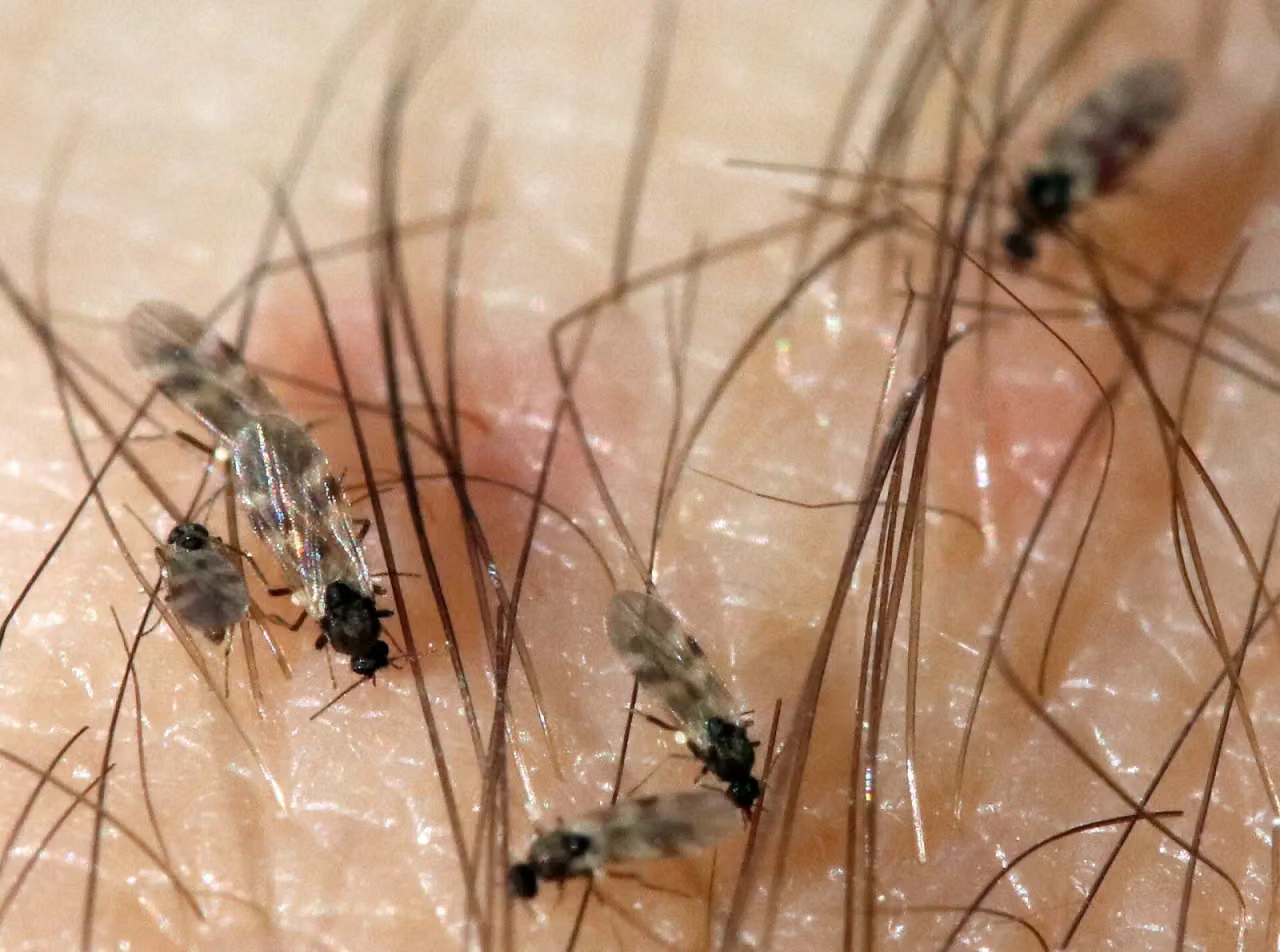
Midges in Scotland month by month
- Jan
- Feb
- Mar
- Apr
- May: midges about
- Jun: midges about
- Jul: peak midge season
- Aug: peak midge season
- Sep: midges about
- Oct
- Nov
- Dec
- SpringUsually free of midges until May. The first adults emerge from mid-May, depending on warmth and daylight.
- SummerNumbers build in June. July and August are the height of the season, with the biggest swarms on still, cloudy evenings.
- AutumnNumbers fall in September and the first frosts end the season. VisitScotland still counts October as part of it.
- WinterNo biting midges. The larvae spend the winter in the wet soil.
Where midges are worst in Scotland
The Highland midge lives all over Scotland, but the NatureScot factsheet says it is most common in the west and the north, where boggy, acidic ground suits its larvae. VisitScotland names the west Highlands, the islands and damp rural areas, and says you are more likely to meet midges in woodland and around water.
Height and wind matter as much as region. Midges are most numerous on low ground and seldom found above about 500 metres. They cannot fly once the wind is above about 8.8 km/h (5.5 mph), and then they settle on plants or tree trunks. A sheltered campsite by a loch on a still evening is the classic midge spot. An exposed ridge or a breezy beach is much better.
The forecast shows how much this varies from place to place. When the first large hatch of 2026 was recorded in early June, STV News reported a 48% chance of midges at Lochinver in Sutherland, 28% at Stornoway on Lewis and 20% in Inverness.
Midge forecast Scotland: how it works
The Scottish Midge Forecast is run by APS Biocontrol in Dundee, which has published it since 2006. It combines catches from midge traps with readings from small weather stations across Scotland. Since June 2026 it has shown a colour map with the percentage chance of midges, where you can search for a town. Before that it used a scale of one to five. VisitScotland suggests checking it before you head out, because midge activity changes from day to day with wind and humidity.
The forecast only runs during the season. When I checked it on 20 November 2026, the page said it would be back in the spring. Look for it again from May, and check it on the morning of a walk rather than a week ahead.
Midges in Scotland in May and June
May is the start. The NatureScot factsheet says the Highlands stay free of midges until May. The adults then emerge from the pupal stage between mid-May and July, triggered by rising temperatures and longer days. How early they appear depends on that year's weather.
By June the numbers build. In 2026 the first large hatch was reported in the first week of June, with more expected in the following weeks. For a June trip, expect midges in the west and on the islands, especially in the long, light evenings.
Midges in Scotland in July and August
July and August are the height of the midge season in Scotland. The NatureScot factsheet explains why the attacks are so heavy then. A female that has found blood gives off a scent that attracts other females, so hundreds or even thousands can arrive at once. Eggs laid early in the season develop quickly and add a second wave of adults in late summer.
If you travel in August, take your breaks in open, breezy spots, keep moving at dusk and pack a head net. On a bright, sunny day you may see few midges. On a dull, overcast day they can bite at midday.
Scotland in September: are there still midges?
Yes, but fewer. The NatureScot factsheet says midge numbers decline in September and the first autumn frosts kill the ones that are left. VisitScotland still counts the season through to October, so a mild, still September evening in a sheltered glen can still bring a cloud of them.
Best time to visit Scotland to avoid midges
Going by the season VisitScotland and NatureScot describe, there are no biting midges from November to April. Within the season, May and late September or October are usually the quietest months, and July and August are the worst.
If you can only travel in summer, the time of day and the place make the biggest difference:
- Time of day: VisitScotland says midges are most active around dawn and dusk, and on calm, overcast days.
- Wind: above about 8.8 km/h (5.5 mph) they cannot fly.
- Height: they are seldom found above about 500 metres.
- Sun: on a bright, sunny day few midges may bite.
- Place: they live in woodland, near water and on sheltered, boggy ground, and they are most common in the west and north.
Midge protection in Scotland: head nets, clothing and repellent
VisitScotland's outdoor kit list for midges is short: a midge repellent, lightweight long layers and a head net, particularly in places with lots of midges. Put repellent on bare skin, choose one made for midges, and reapply it as the label says, especially after rain or sweating. We do not recommend brands here.
When you stop, for instance to pitch a tent or eat outdoors, a midge net or midge hat over your face is the simplest protection. The NatureScot factsheet explains why it helps to keep moving: female midges find you through the carbon dioxide in your breath and your body smells, and they are drawn to dark, moving objects.
VisitScotland says a midge bite leaves a small, red, itchy bump and that midges do not spread disease. If a bite becomes infected or you feel unwell, it points to the NHS guidance on insect bites. Ticks are a different matter: they are out in the same months, in long grass and woodland.
Benches, public toilets and water on a walk in midge season
In midge season, where you stop matters. A bench at an open viewpoint or on a breezy shore is a better place for a break than a sheltered spot by still water. Public toilets and water taps are mostly in villages and at car parks. If you fill your bottle there before you head into a glen, you will need fewer stops along the way.
All the pitstops we know of are on the map: the benches in the United Kingdom, the public toilets in the United Kingdom and the water fountains and refill points in the United Kingdom.
In the app I see 188,102 benches, 13,915 public toilets and 2,923 water points in the United Kingdom.
From our data
Pitstops in the United Kingdom
- Pitstops
- 205,713
- in the United Kingdom
- Benches
- 188,102
- in the United Kingdom
- Public toilets
- 13,915
- in the United Kingdom
- Water points
- 2,923
- in the United Kingdom
As of 29 November 2026, from the Outdoor Pitstop database. These numbers are for the whole United Kingdom, because we do not show Scotland on its own here yet. Benches, public toilets and water points come from OpenStreetMap and from reports by our users.
Walking and cycling in Scotland
We do not have walking or cycling routes for the United Kingdom in the app yet. The benches, public toilets and water points in Scotland are on our page for the United Kingdom.
Pitstops in the United Kingdom →Benches in the United KingdomPublic toilets in the United Kingdom