Outdoor Pitstop

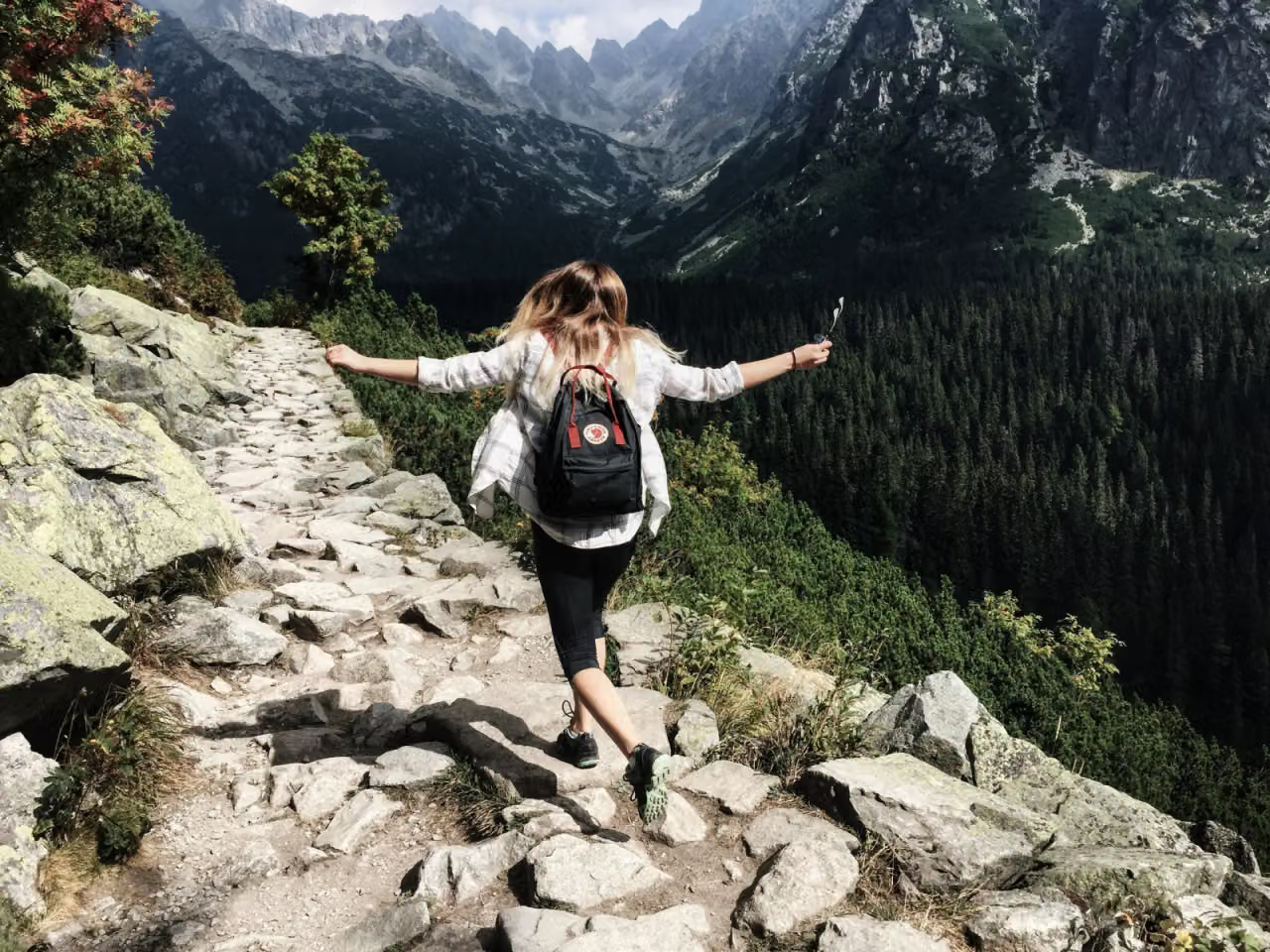
Walking trousers or jeans: what is the difference?
Walking trousers are made to dry fast and move with you. AdventureSmartUK, the safety campaign for outdoor activities in the UK, puts quick-drying walking trousers with a good range of movement on its hill walking kit list and tells you to avoid denim. The British Mountaineering Council (BMC) explains why: jeans and cotton are particularly cold once wet, and if you get wet you soon get cold.
The Ramblers write that polyamide (nylon) and polyester are the fabrics used most, often with a little elastane for stretch. Some makers use cotton blends, which the Ramblers describe as tough, breathable and pleasant to wear. Their advice for British weather is a fast-drying fabric, even in summer, in case of showers.
| Kind | What it is | Suits |
|---|---|---|
| Light, unlined trousers | Thin synthetic fabric, dries quickly | Most walks all year, as part of your layers |
| Reinforced trousers | Extra panels on knees, seat and ankles | Rocky ground and scrambling |
| Lined or softshell trousers | Wind- and water-resistant, sometimes with a fleece inside | Cold, windy days and winter |
The Ramblers call unlined, lightweight trousers probably the most versatile choice: under a waterproof when it rains, over a warm base layer when it is cold.
- Best fabric
- quick-drying synthetic, some stretch
- Avoid
- denim and cotton
- In the rucksack
- waterproof over-trousers
How to choose walking trousers: the steps
The Ramblers sum up a good pair in three Fs: fabric, fit and features. Try trousers on in the shop and work through these steps.
- Move in them. Sit down, stand up and step up and down, as the Ramblers suggest. Stretch fabric, panels and a shaped knee give you room for stiles and steep steps; trousers that pull at the knee or crotch are too tight.
- Check the waist. Some trousers have an elasticated waist, others belt loops or both. A low-profile waist sits more neatly under the hip belt of a rucksack.
- Look at the pockets. Zipped pockets keep a phone or keys safe. A map pocket is only useful if you can reach it with your rucksack on.
- Check the length and hems. Drawcords or adjusters at the hem fit the trousers to your footwear and keep out dirt and debris. Many trousers come in short, regular and long leg lengths.
- Check how they are made. The Ramblers point out that double-stitched seams last longer than single ones, and cheap zips break easily.
- Think about the conditions. Light, breathable fabric for warm weather; water-resistant and windproof fabric for wet and windy walks.
How walking trousers fit with the rest of your layers is in the guide what to wear walking.
Kinds of walking trousers
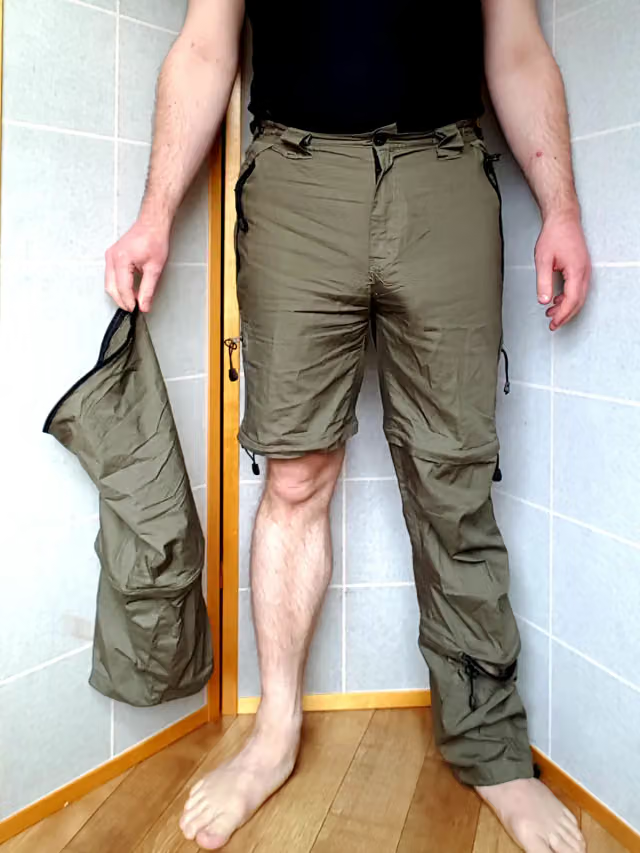
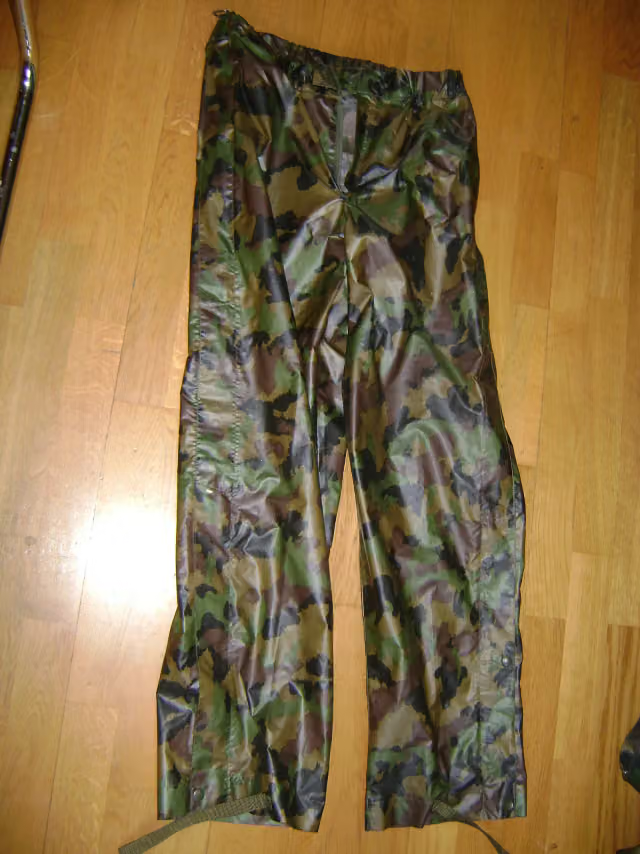
Men's walking trousers and hiking pants for men
Men's walking trousers use the same fabrics as women's; what differs is the cut. Ramblers reviews list men's trousers by waist size in inches, and many come in short, regular and long leg lengths, so you do not have to roll up or cut a pair that is too long. Walkers with long legs should look for a long leg rather than a bigger waist.
The Ramblers advise trousers that are neither baggy nor tight. Very baggy hiking pants can catch on undergrowth and flap in the wind, while a slim pair restricts high steps. If you walk in the cold, check there is room for a thermal base layer underneath, and that waterproof over-trousers still go on over the top.
Ladies' walking pants and hiking trousers for women
Women's walking trousers (or hiking pants, as they are called in American shops) are cut with a different waist and more room at the hips. The Ramblers say fit varies widely between makers and models, and some offer a straighter and a more curved cut for different body shapes. Women's sizes usually follow UK dress sizes, again often with a choice of leg length.
The advice on fabric is the same as for men: lighter fabrics are cooler and more breathable but may wear faster; stretch fabrics are more forgiving on long walks; reinforced knees and seat last longer. Choose the pair that fits you best and lets you climb a stile without pulling.
Walking leggings are a real option too. The Ramblers write that many of their walkers wear moisture-wicking yoga or running leggings. They suit dry paths and cool days; in brambles or on rock, a woven trouser protects your legs better.
Hiking shorts, walking leggings and zip-off trousers
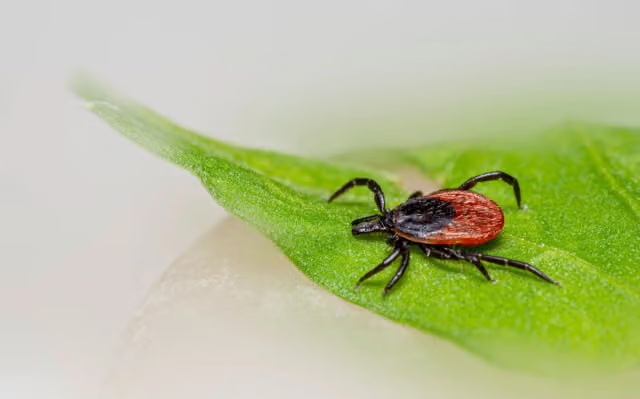
Hiking shorts are cool on a warm day on open paths, and the Ramblers say running shorts work in summer too. Do an extra tick check after a walk in shorts. NHS Western Isles advises walkers to keep exposed skin to a minimum, tuck trousers into socks and wear light-coloured clothing so ticks are easier to spot. More on this is in our guide to ticks on a walk.
Bare legs also burn. NHS 111 Wales says the sun is strongest in the UK between 11am and 3pm from March to October, and recommends covering up with suitable clothing and using at least factor 30 sunscreen. Long, light-coloured trousers with vents, which the Ramblers suggest for warm days, cover your legs without overheating.
Zip-off trousers give you shorts and trousers in one. The Ramblers add a warning: depending on the design they can be the worst rather than the best of both worlds, so check that the zip does not sit on your knee or rub as you walk.
Which walking trousers suit your walk?
Where and when do you walk most?
All year in the UK
- Synthetic fabric with a little stretch
- Long, for woodland and long grass
- Waterproof over-trousers in the rucksack
- A thermal base layer underneath in winter
Warm summer days
- Thin, breathable fabric in a light colour
- Zip-off when the walk crosses woodland or bracken
- Sunscreen on bare legs
- A tick check after the walk
Winter and cold
- Lined or softshell trousers
- Thermal long johns if needed
- Gaiters in snow and bog
- Waterproof over-trousers always with you
Hills, rock and long trips
- Reinforced knees, seat and ankles
- Room for high steps
- Double-stitched seams and good zips
- Waterproof over-trousers always with you
Take your walking boots when you try trousers on, so you can see whether the legs are the right length.
Waterproof walking trousers or over-trousers?
Most walking trousers are water-resistant at best: a coating that sheds drizzle and wet grass for a while. For real rain, AdventureSmartUK and the BMC both recommend waterproof over-trousers that you pull on over your walking trousers. The BMC says a waterproof jacket and trousers, together with your warm layers, keep you dry and prevent a dangerous drop in body temperature.
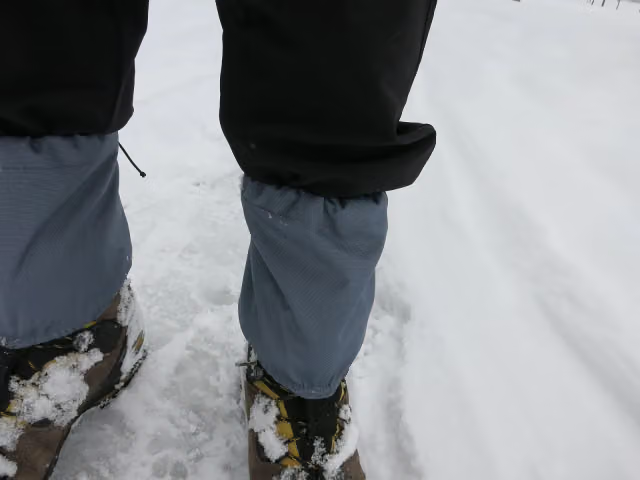
Choose over-trousers with zips down the legs. The Ramblers suggest at least a quarter-length zip; the BMC prefers zips down the sides. Either way you can put them on and take them off without removing your boots. Gaiters close the gap between trousers and boots and keep water and mud out of the top of your boots.
The Ramblers also advise checking that a water-repellent finish is free of PFAS, the so-called forever chemicals once common in outdoor clothing.
Winter walking trousers: warm without sweating
In winter you can either wear warmer trousers or keep your usual pair and add a layer underneath. For winter days in Scotland's mountains, Mountaineering Scotland lists warm or windproof trousers, thermal long johns as an option, gaiters, and waterproof over-trousers in the rucksack.
The Ramblers mention lined trousers, such as softshell with a fleece inside, as a good choice for winter, and a built-in gaiter for snowy ground. A lined pair is warmer but can get sweaty on a long climb; unlined trousers with long johns underneath let you adjust by taking a layer off.
- Underneath
- thermal long johns
- Over the top
- waterproof over-trousers
- Snow and bog
- gaiters
Changing on the way: a bench or a public toilet
Pulling on over-trousers, zipping off a trouser leg or adding long johns is easier when you can sit down or step inside. On a bench you can pull over-trousers over your boots without hopping on one leg; in a public toilet you can change a base layer out of the wind.
All the benches we know of are on benches in the United Kingdom and the toilets on public toilets in the United Kingdom. Walking in Ireland? See the public toilets in Ireland.
In the app I see 188,102 benches and 13,915 public toilets in the United Kingdom: places to zip off a trouser leg or pull on your over-trousers.
From our data
Benches and public toilets in the United Kingdom
- Benches
- 188,102
- in the United Kingdom
- Public toilets
- 13,915
- in the United Kingdom
As of 28 November 2026, from the Outdoor Pitstop database. The whole United Kingdom, along footpaths and in villages and towns.