Outdoor Pitstop

Hiking clothes: the layering system, step by step
The Ramblers, Britain's walking charity, call layering the key ingredient of a happy walk: you add or remove clothes as the weather changes and as your own body warms up or cools down. Their system has four layers. You do not wear all four all the time; the rest travel in your rucksack.
| Layer | Job | Options the Ramblers name |
|---|---|---|
| 1. Base layer | Wick sweat away from your skin | Synthetic or merino wool, short or long sleeves; a workout or running top works too |
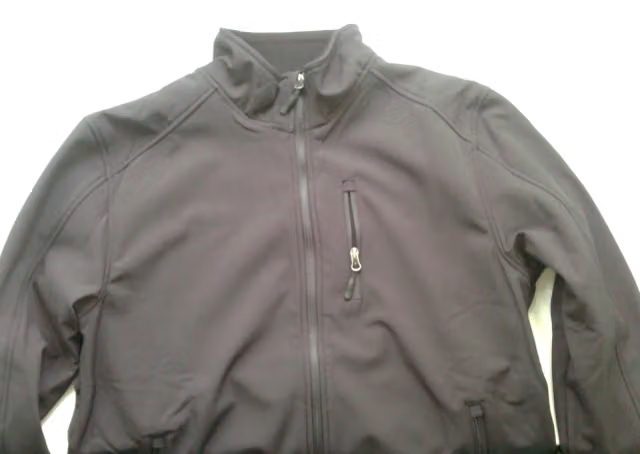
| 2. Mid layer | Keep you warm without overheating | Polyester fleece, hard-face fleece, softshell with a windproof outer, hybrid or 'active insulation' tops, or an old light jumper |
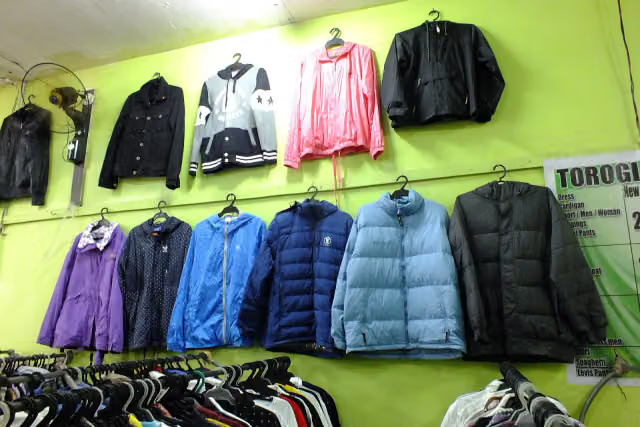
| 3. Warm layer | Hold heat during breaks and on cold walks | Insulated down or synthetic jacket |
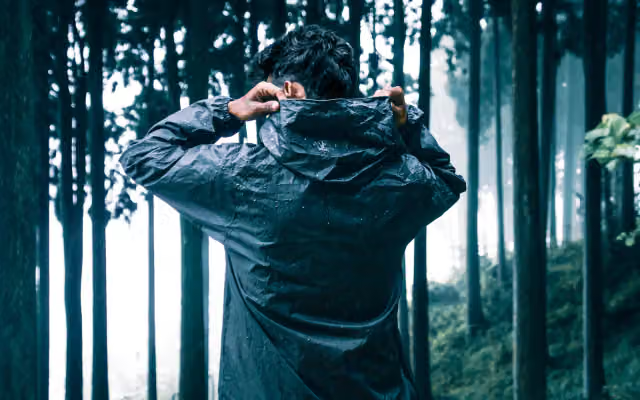
| 4. Waterproof and windproof layer | Keep out rain and wind | Waterproof jacket, with waterproof trousers and gaiters if you want to stay really dry |
Putting it together before a walk:
- Start with the base layer. Choose a top that wicks sweat. The Ramblers say merino is warmer and tends to smell less, while synthetic tops slide more easily under other layers, so they are easier to take off and put on.
- Add a light, long-sleeved mid layer when it is cool, or pack it.
- Pack the warm layer. An insulated jacket is the spare layer for rest breaks and summits, and on colder walks you can wear it instead of, or on top of, the mid layer.
- Always pack the waterproof and windproof layer. The Ramblers call it the one layer you do not want to forget on a walk in Britain.
- Put a spare pair of socks in the driest part of your rucksack in case your feet get wet.
- Base layer
- wicks sweat
- Mid layer
- keeps you warm
- Warm layer
- for breaks
- Shell
- rain and wind
The layers of your walking clothes
Why cotton stays at home
A cotton T-shirt feels fine on the doorstep, but the Ramblers advise you to avoid cotton on a walk. It holds on to water: in the heat you feel sweaty, and when the weather turns you get extra cold. On a short stroll through town you hardly notice. On a long walk with a climb, a wet cotton shirt stays cold against your back the moment you stop.
That does not mean you need a new wardrobe. The Ramblers point out that you do not need fancy gear to start walking, and that most of it is probably in your wardrobe already: a workout or running top makes a good base layer, and an old light jumper can do the work of a mid layer. For your feet, the Ramblers say many people start in trainers before they move on to walking boots.
Adjusting your layers on the way
Layering only works if you actually use it. A few rules of thumb:
- Start a little cool. You warm up in the first kilometre; set off wrapped up and you will be sweating within minutes.
- Stop to change. Taking a layer off before you sweat, and putting one on before you cool down, saves you a damp, cold base layer later.
- Put the warm layer on at every break. That is exactly what the Ramblers suggest the insulated jacket in your rucksack is for.
- Use the zip and the collar. The Ramblers note that a zipped top lets you cool down, a higher collar protects the back of your neck from sun or wind, and thumb loops close the gap between sleeves and gloves.
In the app I see 188,102 benches in the United Kingdom. A bench is a good moment to pull on your warm layer, before you cool down.
Which hiking clothes suit your walk?
When and where are you walking?
A day walk in spring or autumn
- A synthetic or merino base layer
- A fleece or light jumper, worn or packed
- An insulated jacket for breaks
- A waterproof and windproof jacket
A warm summer's day
- A light top, ideally long-sleeved against the sun
- A wide-brimmed hat
- Trousers in woodland and long grass, or a tick check after shorts
- A light waterproof all the same
A cold winter's day
- A warm base layer, such as merino
- A fleece or wool jumper
- An insulated jacket and a windproof shell
- A hat and thermal or waterproof gloves
Rain in the forecast
- A waterproof, windproof jacket
- Waterproof trousers with a leg zip to fit over boots
- Gaiters for wet grass and mud
- Dry socks in a bag in your rucksack
Try your layers on together at home: the mid layer and the warm layer should fit under your waterproof without your arms feeling tight.
Hiking outfits: trousers, socks, hat and gloves
Below the waist it is mostly personal preference, say the Ramblers. Traditional rain-resistant walking trousers are a safe choice, but many walkers wear moisture-wicking yoga or running leggings, or running shorts in summer. After a walk in shorts, check your legs for ticks; the guide to ticks on a walk shows how. More on fabrics and fit is in walking trousers.
Socks come in different thicknesses and materials for different seasons, and some walkers wear a thin liner sock under a thicker pair. Keep a spare pair dry in your rucksack.
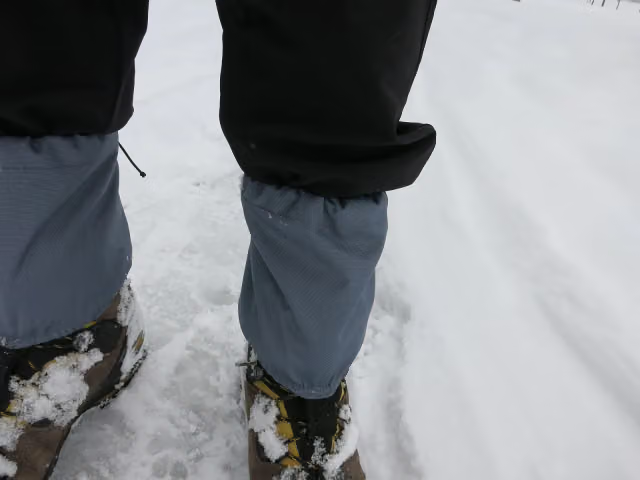
Gaiters cover the gap between your trousers and boots, keeping water and dirt out of the top of your boots. For colder walks or higher ground, the Ramblers add a hat and a pair of thermal or waterproof gloves: small items that help you keep your body heat.
Hiking wear for women and men
Hiking wear for women and for men follows the same rules: the Ramblers' layering advice is the same for everyone. A base layer that wicks, a mid layer, a warm jacket and a waterproof shell work whatever the cut. What matters is fit: choose the cut that fits you rather than the label, and make sure the layers fit over each other with room to move your arms.
A walking dress or skirt in a quick-drying synthetic or merino fabric works like a top of the same fabric; a cotton one has the same drawback as a cotton T-shirt. In woodland and long grass, longer legs help against ticks, and on a sunny day the NHS advises trousers or long skirts in close-weave fabrics that do not let sunlight through.
Hiking jacket for women and men: waterproof and warm
Most walkers need two jackets, not one. The waterproof and windproof jacket is the outer layer for rain and wind, and the Ramblers call it the layer not to forget in Britain. The insulated jacket, down or synthetic, is the warm layer you put on at breaks, on summits and on cold days.
Whether you look at a hiking jacket for women or for men, the questions are the same: does it keep out rain and wind, does it fit over your mid layer, and does the hood stay up in the wind? How waterproofs work and what to look for is in the guide to waterproof jackets and trousers. A jacket that starts to let water through often needs washing and reproofing rather than replacing; see washing and reproofing waterproofs.
Hiking clothes for sun and summer
Clothing is part of sun protection, not an extra. The NHS says not to rely on sunscreen alone, and to wear suitable clothing and find shade when the sun is strongest: in the UK between 11am and 3pm from March to October. For a summer walk the NHS lists:
- a wide-brimmed hat that shades your face, neck and ears;
- a long-sleeved top;
- trousers or long skirts in close-weave fabrics;
- sunglasses with wraparound lenses or wide arms, marked with the CE mark and British Standard 12312-1:2013 E.
On the skin you leave bare, the NHS advises sunscreen of at least SPF 30 with at least 4-star UVA protection, reapplied every 2 hours and after sweating. More on light layers for warm days is in what to wear walking in summer.
- Strongest sun (UK)
- 11am to 3pm, March to October
- Sunscreen
- SPF 30+, 4-star UVA
- Reapply
- every 2 hours
From our data
Benches and public toilets in the United Kingdom
- Benches
- 188,102
- in the United Kingdom
- Public toilets
- 13,915
- in the United Kingdom
As of 28 November 2026, from the Outdoor Pitstop database. The whole United Kingdom. A bench is a place to add a layer at a break; a public toilet is a dry place to change a wet base layer.
Changing layers on the way: benches and public toilets
Changing a layer takes a minute, and it is easier with somewhere to sit or stand out of the rain. A bench is the natural place to pull on your warm jacket at a break. A public toilet is the place to swap a sweaty base layer for a dry one, or to change into dry socks.
All the benches we know of are on benches in the United Kingdom, and the toilets on public toilets in the United Kingdom. Walking in Ireland? See the public toilets in Ireland.
In the app I see 13,915 public toilets in the United Kingdom.