Outdoor Pitstop
Short answer
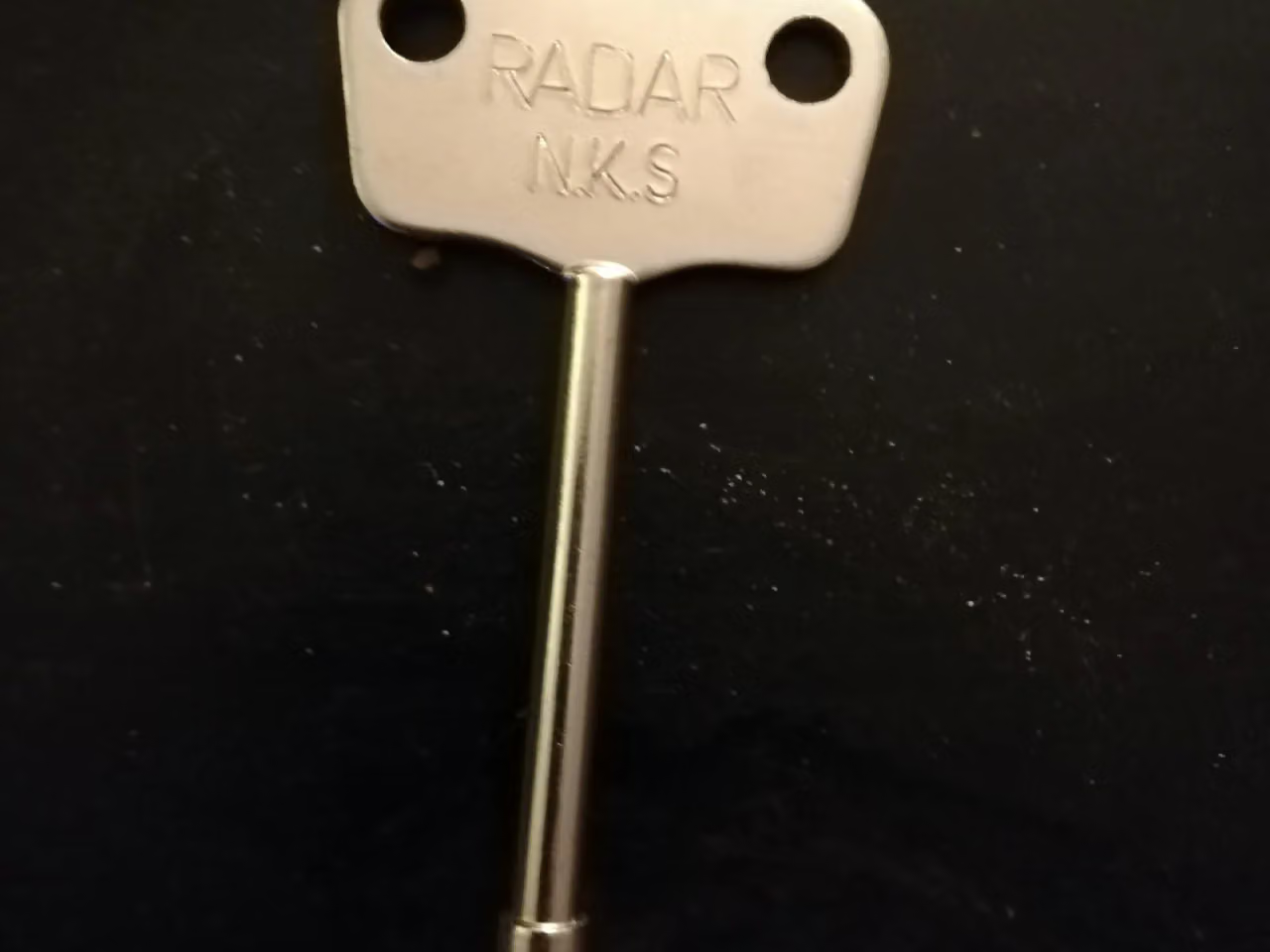
A RADAR key is a large silver key that opens locked accessible toilets in the National Key Scheme, which covers around 9,000 public toilets in the UK. You can buy one from Disability Rights UK, from many local councils and from mobility shops; disabled buyers who declare their disability do not pay VAT. On a walk or a day out, a RADAR key means you do not have to find staff or a shop before you can use the accessible toilet.
Figures from the Outdoor Pitstop database on 25 November 2026, based on OpenStreetMap and additions from our users. The figure of around 9,000 toilets comes from the National Key Scheme as quoted by Carmarthenshire County Council.
What is a RADAR key?
A RADAR key is the key of the National Key Scheme (NKS). Councils, railway stations, pubs, shopping centres and parks fit the same lock to their accessible toilets, so one key opens all of them. The name comes from RADAR, the Royal Association for Disability and Rehabilitation, which started the scheme. According to Wikipedia, RADAR merged into Disability Rights UK in 2012, and Disability Rights UK now runs the National Key Scheme.
The toilets are locked so that they stay free and in good order for the people who need them. Many accessible toilets on high streets and in car parks have a RADAR lock; most toilets inside cafés, museums and visitor centres do not, because staff are around.
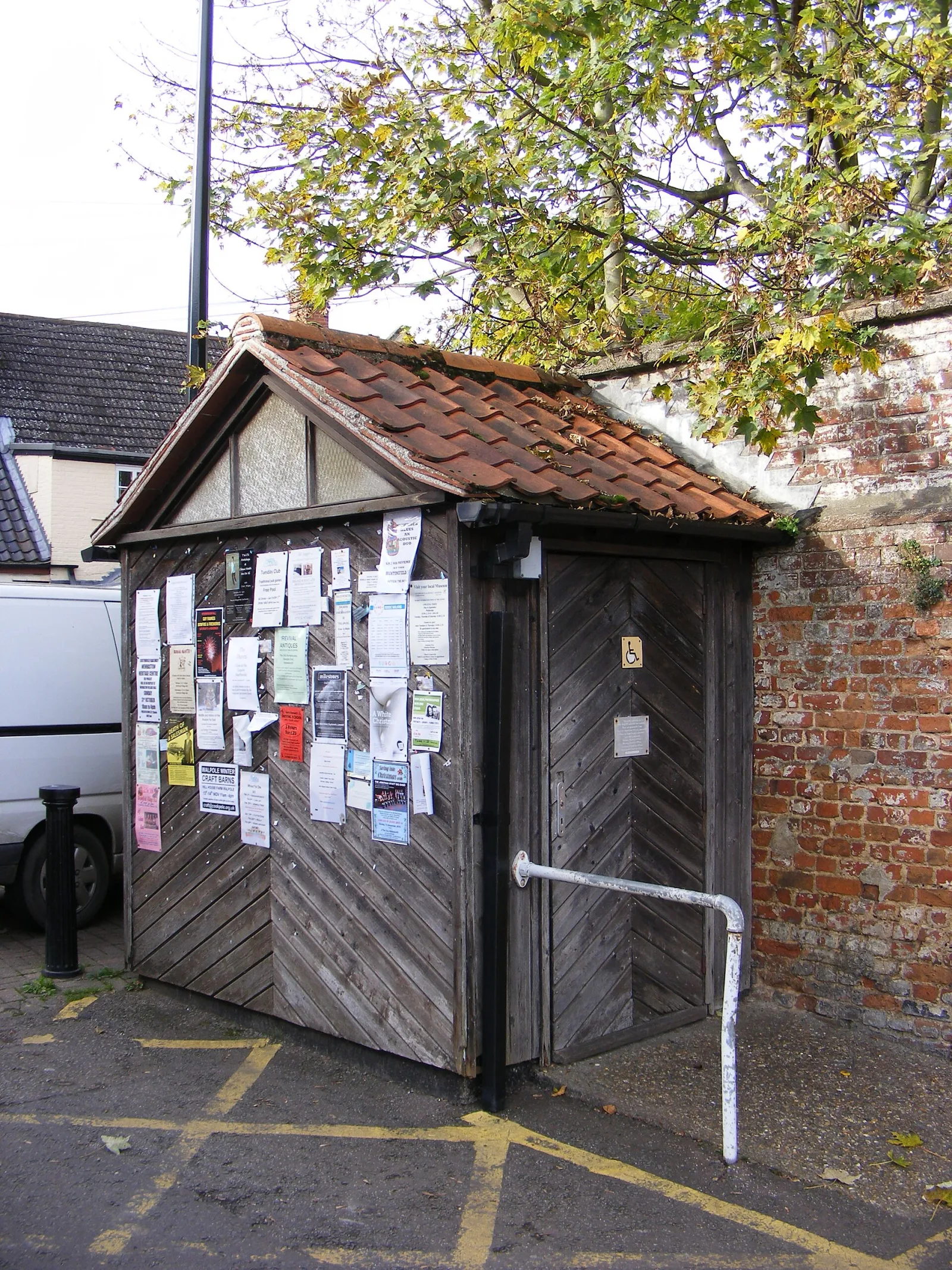
Photo: Geographer, CC BY-SA 2.0, via Wikimedia Commons
Where to get a RADAR key and what it costs
You can buy a RADAR key in three places:
- Disability Rights UK, the charity that runs the National Key Scheme, sells the official key online.
- Your local council. Many councils sell keys at their customer service desks. Carmarthenshire County Council, for example, charges £4.70 (about €5.40) and asks for proof such as a Blue Badge, a letter from your GP or hospital, or a letter about a disability benefit.
- Mobility shops and online retailers. Disability Rights UK warns that cheap copies may not open every lock, so buy an official key or one from a shop you trust.
If you declare that you have a disability, you do not pay VAT on the key, according to Carmarthenshire County Council. Prices differ between sellers, so check before you order.
Who can use a RADAR key?
A RADAR key is meant for disabled people and their carers who need an accessible toilet. That includes wheelchair users, but also people with bowel or bladder conditions, a stoma, or a condition that makes waiting in a queue difficult. You do not need to be a wheelchair user. Councils that sell keys usually ask for some form of evidence; online sellers ask you to declare that you are buying it for a disabled person. For people who need a hoist and an adult changing bench, a standard accessible toilet is not enough; read our guide to Changing Places toilets.
How many RADAR toilets are on the map?
According to Outdoor Pitstop's data (as of 25 November 2026), there are 13,915 public toilets in the United Kingdom on our map. 4,646 of them are marked as wheelchair accessible, and 3,067 are both wheelchair accessible and free.
Whether a toilet needs a RADAR key is rarely recorded in OpenStreetMap, the open map our data comes from. Only about 100 toilets mention a RADAR lock, so the absence of a mention does not mean there is no lock.
| Public toilets in the UK (25 November 2026) | Number |
|---|---|
| All public toilets on the map | 13,915 |
| Wheelchair accessible | 4,646 |
| Wheelchair accessible and free | 3,067 |
| A RADAR lock mentioned in the data | about 100 |
| Marked as "RADAR key needed" | 46 |
| Marked as "no RADAR key needed" | 73 |
The areas with the most wheelchair-accessible toilets on our map are London (394 of 1,077 toilets), Cornwall (160 of 461), Devon (146 of 440), Northern Ireland (136 of 432), Kent (129 of 407) and Norfolk (127 of 321). You can see all of them on the map of public toilets in Cornwall and the other county pages, and the full picture in the United Kingdom in numbers.
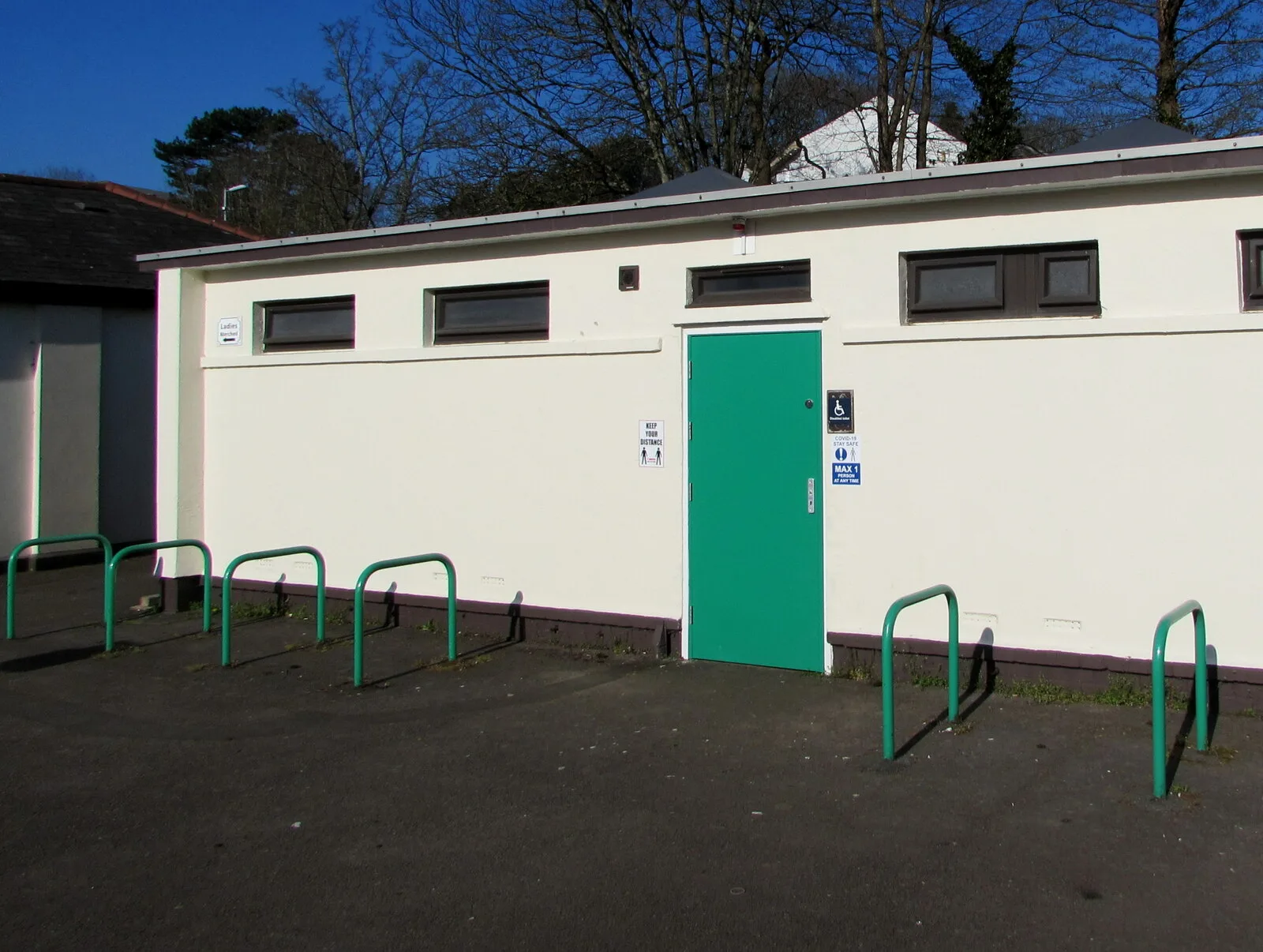
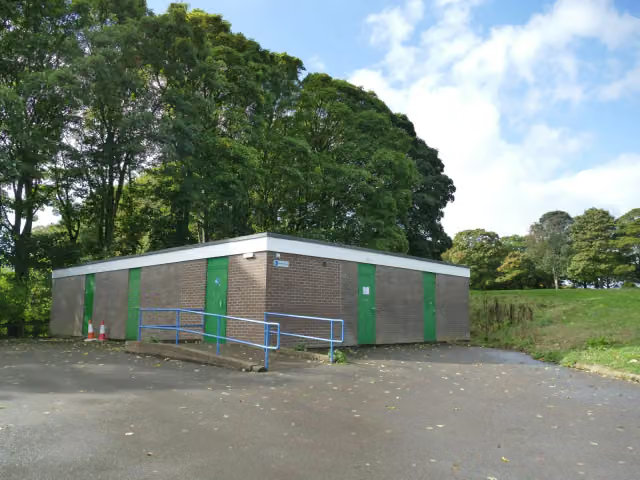
Photo: Jaggery, CC BY-SA 2.0, via Wikimedia Commons
How to find a RADAR toilet on a walk
Plan the toilet stops before you set off, especially on a long walk or a ride in the countryside; our guide to toilets on hiking trails explains where to look outside towns. A few things help:
- Filter on wheelchair access. In the Outdoor Pitstop app and on the map of facilities in the UK you can see which toilets are accessible, free or open around the clock.
- Look at the photos and notes. Other walkers often add a photo of the door, which shows whether there is a RADAR lock.
- Keep the key on your keyring. A RADAR key is big and heavy; many people carry it on a separate ring or a lanyard so it is always in the same pocket.
- Have a plan B. Council toilets can be closed in winter or after vandalism. Large supermarkets, railway stations and visitor centres often have an accessible toilet as well.


Does a RADAR key work abroad?
A RADAR key is made for the British National Key Scheme. In Germany, Austria and Switzerland, accessible toilets use a different lock, the Eurokey (Euroschlüssel). In Outdoor Pitstop's data (as of 25 November 2026), 672 toilets in Germany, 173 in Switzerland and 77 in Austria are marked with a Eurokey lock. In Northern Ireland, which is part of the UK, the RADAR key works as in the rest of the country. For the Republic of Ireland, look at the 1,465 public toilets in Ireland on our map and check the notes per toilet.
Help us map RADAR toilets
Most locked accessible toilets are not yet marked as such. If you use a RADAR toilet, you can add a note or a photo in the app, so the next person knows what to expect. Every addition makes the map more useful for disabled walkers, cyclists and runners.
On the map
Public toilets in the United Kingdom (13,915)
Take Outdoor Pitstop along on your phone
Free · 3.4 million pitstops in 44 countries