Outdoor Pitstop
Short answer
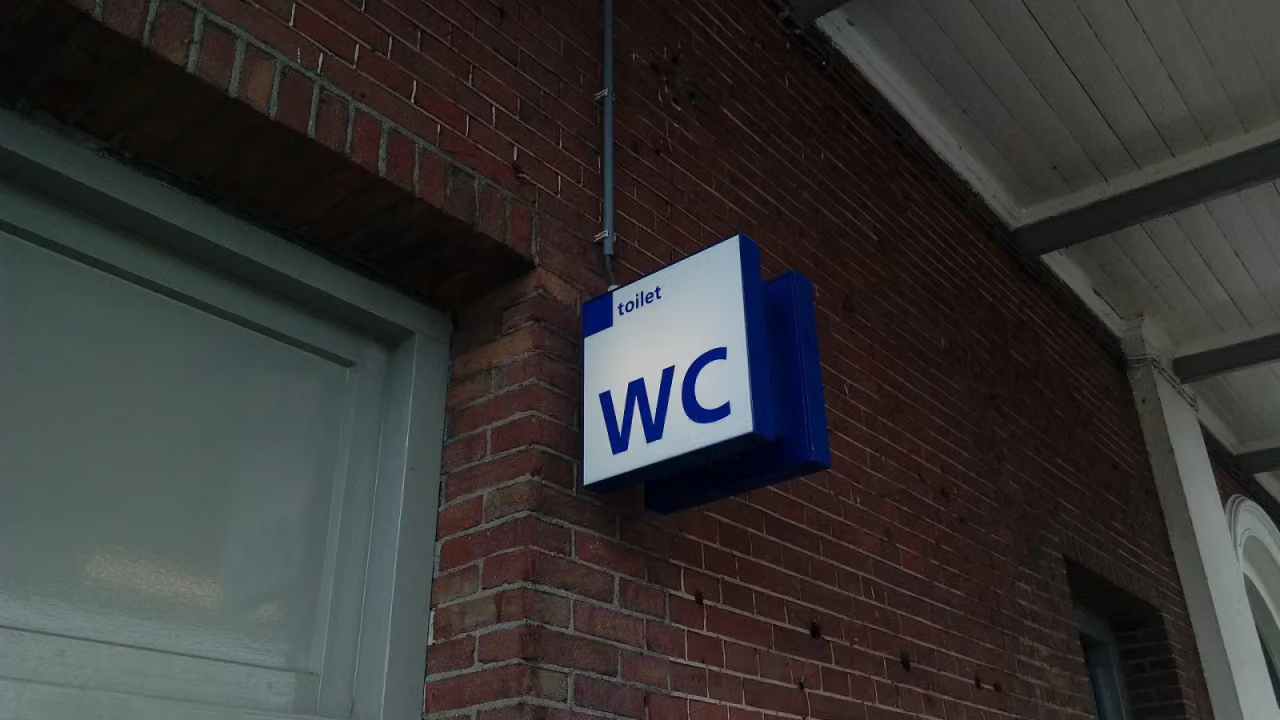
WC stands for water closet, an old English word for a room with a flush toilet. In British English it now sounds a little formal or old-fashioned, but across mainland Europe WC is one of the most common words on toilet signs, from France and Germany to the Netherlands and Poland. If you see WC, a toilet is nearby.
What does WC mean?
The Cambridge Dictionary gives WC as an abbreviation of water closet, meaning a toilet (source: Cambridge Dictionary, "WC"). A closet was a small private room, and "water" refers to the flush that carries waste away. Flush toilets with a water seal spread in British homes in the 19th century, after inventors such as Alexander Cumming patented the S-bend trap in 1775 (source: Wikipedia, "Flush toilet").
The English word travelled. In French it is written WC or W.-C. and said "vay-say" or "double-vay-say". In German it is said "vay-tsay", and in Dutch "way-say". In Spain people often say el váter, from the same English word. Because the two letters look the same in every language, many countries use WC on signs for travellers.
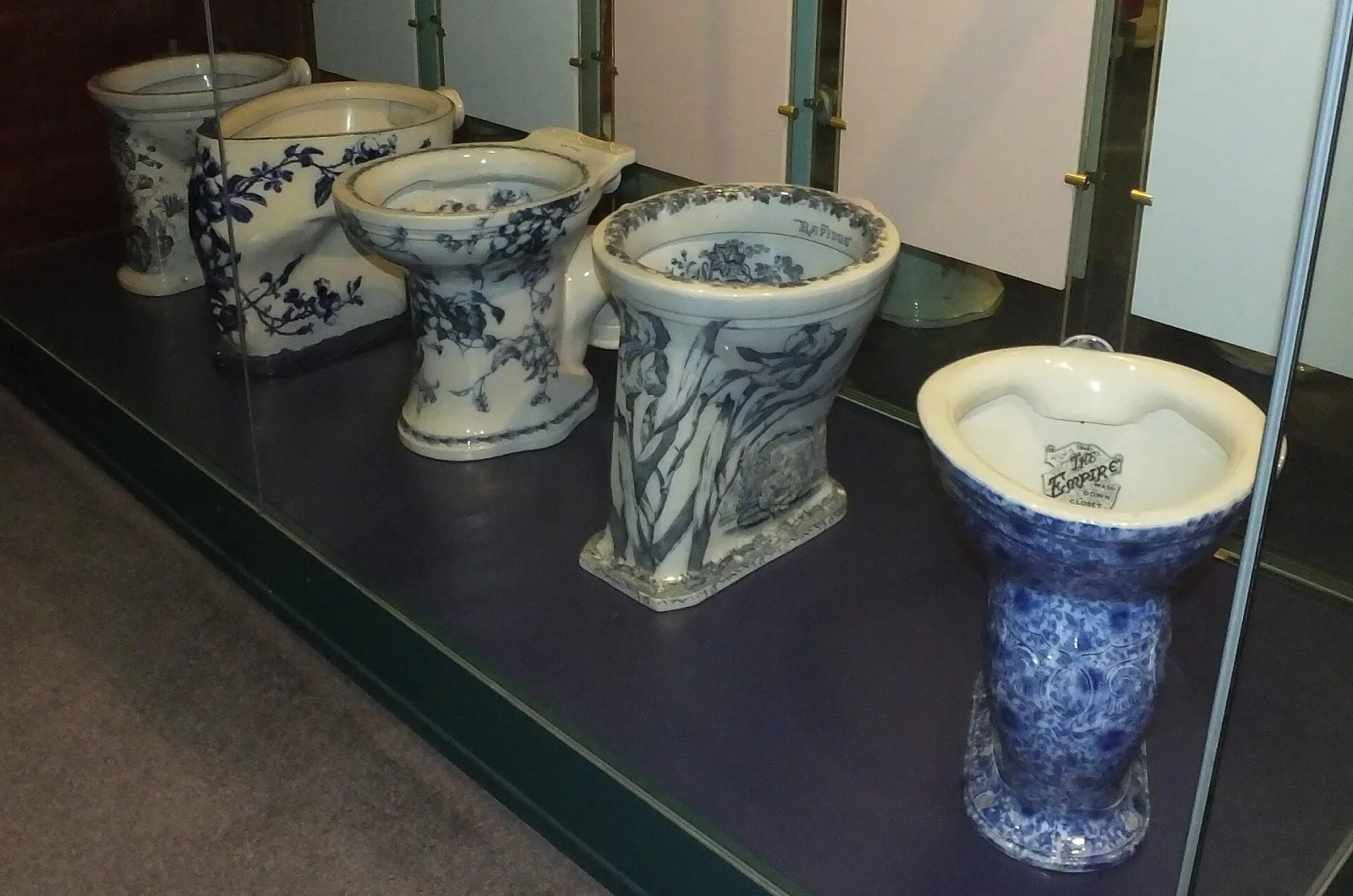
Photo: Clem Rutter, CC BY-SA 3.0, via Wikimedia Commons
How to read toilet signs across Europe
The word for toilet is often easy to guess. The words for men and women are where travellers go wrong, because the letters do not always match English. The table lists what you will see on doors in the countries British walkers and cyclists visit most.
| Country | Toilet | Men | Women |
|---|---|---|---|
| United Kingdom | Toilets, WC | Gents | Ladies |
| Ireland | Toilets, Leithris | Fir | Mná |
| France | Toilettes, WC | Hommes (H) | Dames, Femmes (F) |
| Belgium | Toilettes, Toiletten, WC | Hommes, Heren | Dames |
| Netherlands | Toiletten, WC | Heren (H) | Dames (D) |
| Germany, Austria, Switzerland | Toiletten, WC | Herren (H) | Damen (D) |
| Italy | Bagno, Servizi, WC | Uomini, Signori | Donne, Signore |
| Spain | Aseos, Servicios | Caballeros | Señoras, Damas |
| Portugal | Casa de banho, WC | Homens (H) | Senhoras (S) |
| Poland | Toaleta, WC | Panowie, triangle ▼ | Panie, circle ● |
Three signs catch out English speakers most often:
- Fir in Ireland is Irish for men, and Mná is women. Fir looks like the tree, and Mná looks a little like "man", which is why visitors pick the wrong door.
- H in Germany and the Netherlands stands for Herren or Heren, men. D is Damen or Dames, women.
- Signori and Signore in Italy differ by one letter: Signori is gentlemen, Signore is ladies.
In Poland many doors show only a symbol: a triangle pointing down for men and a circle for women. If you are unsure, look for the pictogram of a figure, which is used almost everywhere in Europe.
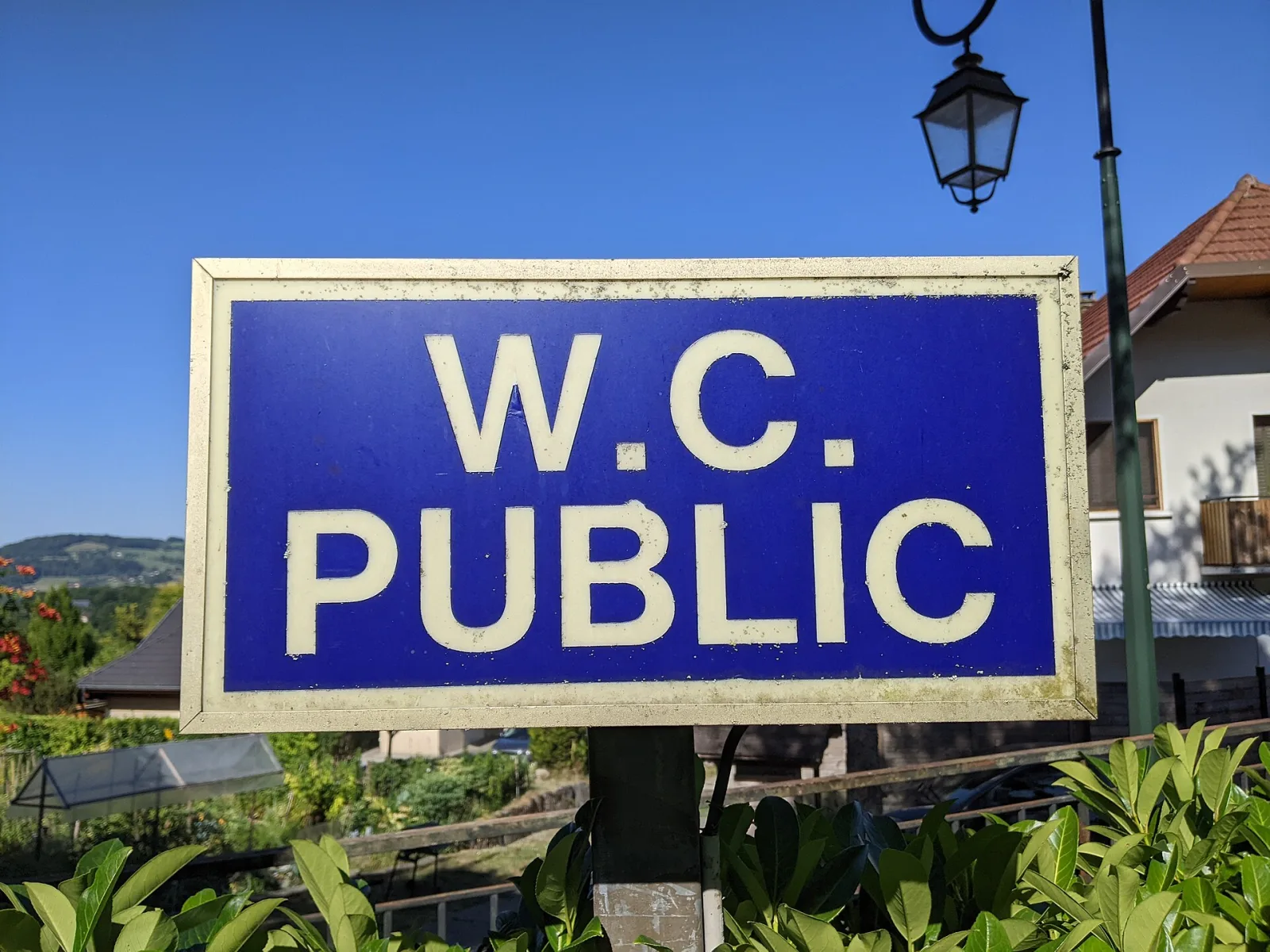
Photo: Sebleouf, CC BY-SA 4.0, via Wikimedia Commons
How many public toilets are free in each country?
A WC sign does not tell you whether you have to pay. According to Outdoor Pitstop's data (as of 25 November 2026), these are the public toilets on our map per country, based on OpenStreetMap and additions from users. "Free" and "paid" count only the toilets where someone has recorded the price; for the rest it is not known yet.
| Country | Public toilets | Free | Paid | Wheelchair accessible |
|---|---|---|---|---|
| France | 35,985 | 16,126 | 729 | 11,344 |
| Germany | 31,783 | 15,886 | 3,838 | 13,275 |
| United Kingdom | 13,915 | 5,761 | 751 | 4,902 |
| Italy | 10,627 | 3,509 | 840 | 2,473 |
| Spain | 7,635 | 2,794 | 261 | 2,047 |
| Switzerland | 6,765 | 3,150 | 429 | 2,033 |
| Netherlands | 3,255 | 1,112 | 378 | 708 |
| Ireland | 1,465 | 512 | 60 | 427 |
Germany stands out with 3,838 toilets where you pay, more than any other country in the table. France has the most free ones, at 16,126. You can look them up for each country: the 35,985 public toilets in France, the public toilets in Germany, the public toilets in Italy, the public toilets in Spain and the 13,915 public toilets in the United Kingdom.


Accessible toilets and keys
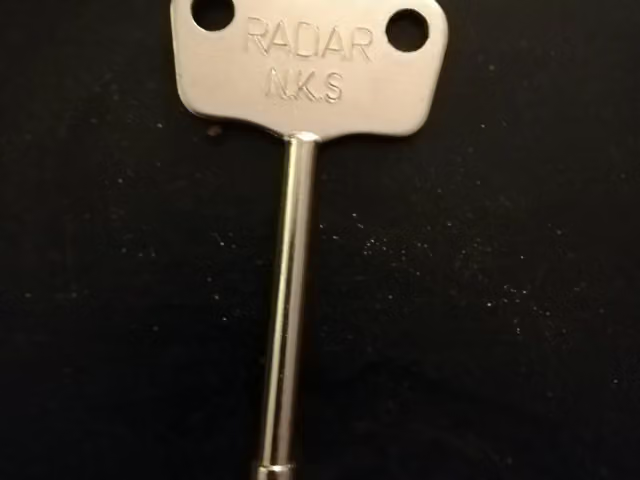
Many accessible toilets in Europe are locked to keep them clean and available for the people who need them. In the United Kingdom, the National Key Scheme (often called the RADAR key) opens thousands of accessible toilets (source: Disability Rights UK). In Germany, Austria and Switzerland the Euro-Key (Euroschlüssel) does the same job. The two keys are not the same, so a British RADAR key does not open a Euro-Key lock.
On a sign, an accessible toilet usually shows the wheelchair symbol, sometimes with the letters WC next to it. In France you may also see toilettes PMR (for people with reduced mobility), and in Spain aseo adaptado.
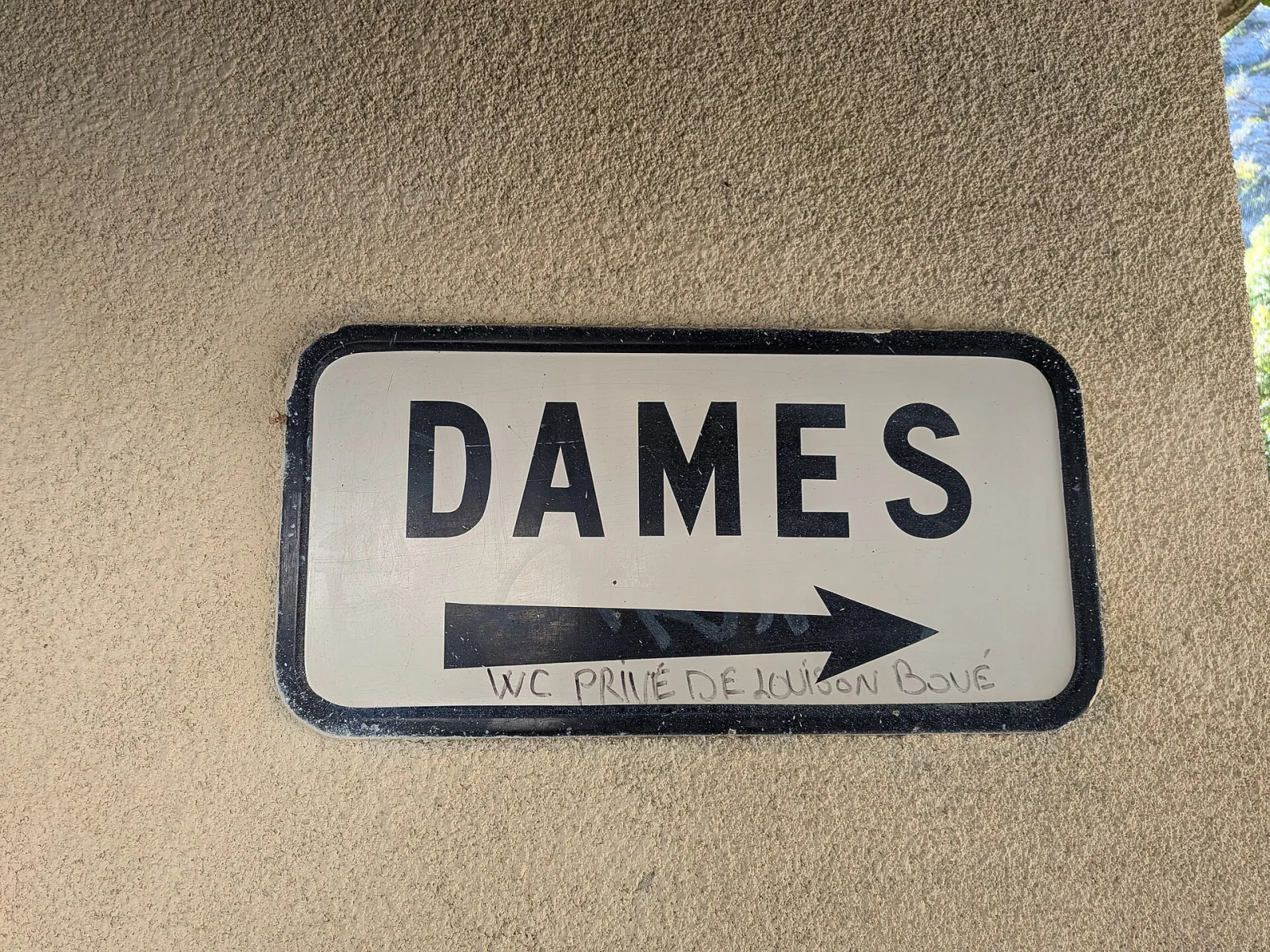
Photo: Sebleouf, CC BY-SA 4.0, via Wikimedia Commons
Asking for the toilet in other languages
When there is no sign, ask. These phrases are polite enough for a café or shop:
- French: Où sont les toilettes, s'il vous plaît ?
- German: Wo ist die Toilette, bitte?
- Dutch: Waar is het toilet?
- Italian: Dov'è il bagno, per favore?
- Spanish: ¿Dónde están los servicios, por favor?
In most of these countries "WC" on its own, with a questioning look, is also understood.
On the map
Public toilets in United Kingdom, France, Germany, Italy and Spain (99,945)
Take Outdoor Pitstop along on your phone
Free · 3.4 million pitstops in 44 countries