Skip to content
Outdoor Pitstop logoOutdoor Pitstop

Archaeological site · Mons · Updated on 1 November 2026.

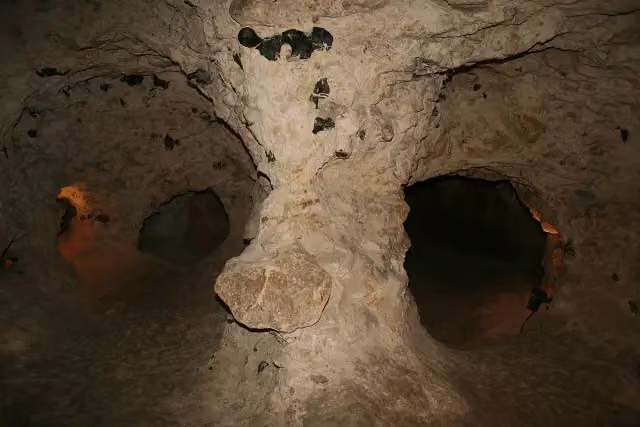
Archaeological site Minières néolithiques de Petit-Spiennes in Mons

Minières néolithiques de Petit-Spiennes is an archaeological site in Mons, Hainaut. This place has an audio tour of about 2 minutes, in English or Dutch. Within 330 m you'll find a bench.

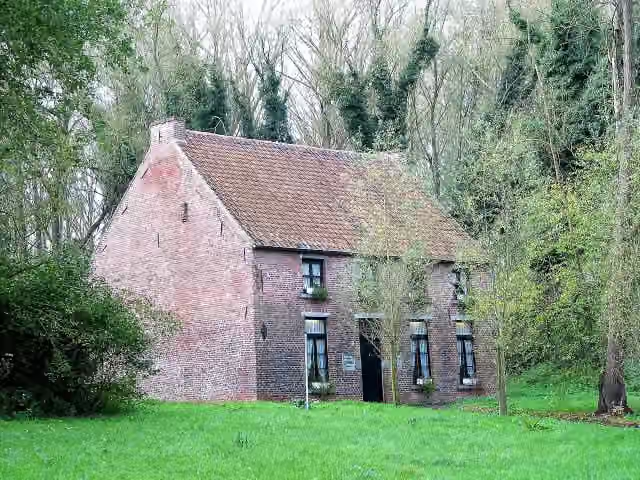
Archaeological site Minières néolithiques de Petit-Spiennes in Mons
i
Photo: Jean-Pol GRANDMONT · Wikimedia Commons · CC BY-SA 3.0View the photo on Wikimedia Commons
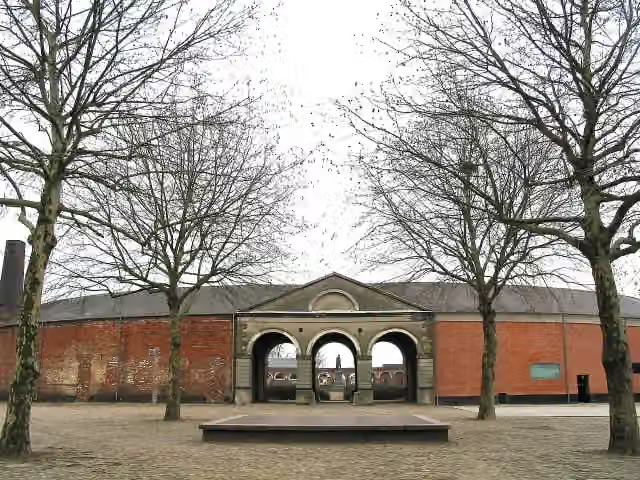
Archaeological site Minières néolithiques de Petit-Spiennes in Mons, photo 2
i
Photo: Jean-Pol GRANDMONT · Wikimedia Commons · CC BY-SA 3.0View the photo on Wikimedia Commons
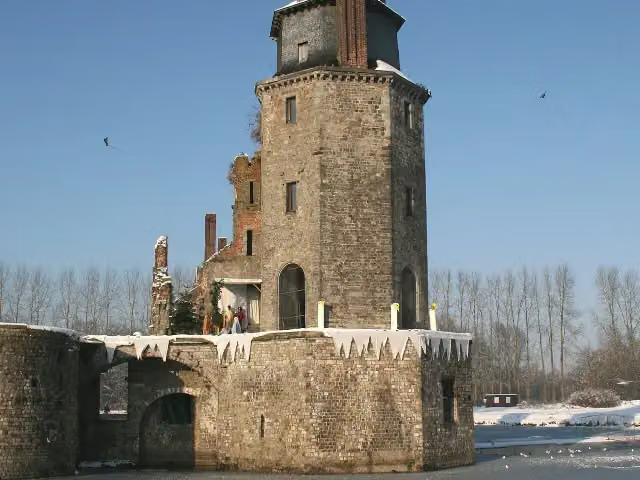
Archaeological site Minières néolithiques de Petit-Spiennes in Mons, photo 3

Minières néolithiques de Petit-Spiennes Mons: ancient flint mines

The Minières néolithiques de Petit-Spiennes are an archaeological site with prehistoric flint mines. People dug flint out of the ground here thousands of years ago and made axes from it, which they traded over long distances. It is one of the largest and oldest flint mines in Europe, and since 2000 the site has held UNESCO-werelderfgoed status. You will find the Minières néolithiques de Petit-Spiennes in Mons, in the province of Henegouwen, just southeast of the city in the part called Petit-Spiennes. The SILEX'S visitor centre is nearby.

What you can see at the flint mines

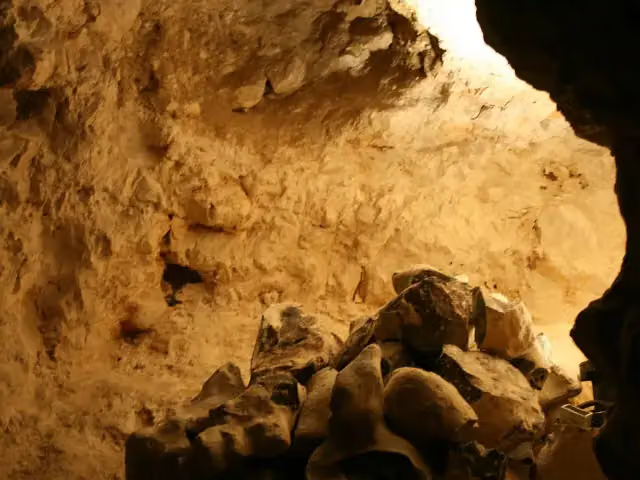
The landscape outside is mostly rolling countryside. Look closely at the ground, though, and you will find sharp flakes of flint scattered everywhere. There are millions of them. They are the waste left by flint knappers who worked here, so you are walking over the remains of their work. Inside, the SILEX'S visitor centre has an exhibition and a multimedia presentation about the mines and the people who lived and worked here. Usually you can also climb down into a mine shaft and see the subsoil for yourself. The mines can only be visited on certain days or by appointment. Check the SILEX'S website in advance, so you know for certain that you can go down.

History of the mines and their discovery

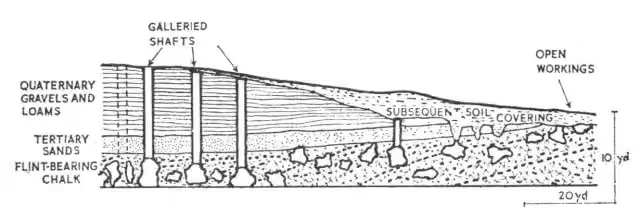
People dug flint here for more than 2 millennia, from around 4300 to 2300. Over more than 100 hectares they dug thousands of pits. Each pit could go as deep as 16 metres. At the bottom they dug galleries sideways, sometimes up to 7 metres long. They worked with flint picks and tools made of deer antler. The rubble was put back into old galleries. At the top they shaped the nodules straight into rough axes. These were traded as far as around 150 kilometres away and were often only polished there. The first farmers used them to fell forests and build huts and canoes. For a long time nobody knew what lay here. Around 1842, workers at a nearby quarry noticed strange old pits. In 1867, when a railway line was being built, 25 shafts were exposed. Excavations uncovered pottery, bones of cattle, pigs, goats and sheep, and human skeletons.

Toilets, drinking water and benches nearby

There are few benches at Archaeological site Minières néolithiques de Petit-Spiennes in Mons. The nearest bench is 325 metres away, on Rue de Nouvelles, and it is the only bench within 500 metres. Our map does not list a public toilet at the site, and we have not found one within 1 km. Drinking water is also hard to find: according to our map, there is no water tap within 1 km. Bring your own water. Make sure to use a toilet before you set off.

Facilities near Minières néolithiques de Petit-Spiennes

The nearest pitstop of each kind within 1 km, as the crow flies. No water point, public toilet, bike pump or honesty box within 1 km.

Audio tour · Minières néolithiques de Petit-Spiennes

2:05

You're standing at the Neolithic flint mines of Spiennes, just southeast of Mons. At first glance it's mostly rolling countryside. But take a close look at the ground. Sharp little chips of flint are everywhere. There are millions of them, and they're no accident. They're the waste left by stone workers who were busy here thousands of years ago. For more than two thousand years, from around 4300 BC, people dug flint out of this hill. Flint is perfect for axes and razor-sharp blades. Across more than a hundred hectares they sank thousands of pits. A shaft was about a metre wide and could go down as deep as sixteen metres. At the bottom they dug side galleries, some up to seven metres long, using flint picks and tools made of deer antler. Only the best stones went up to the surface. The rubble was simply packed back into old galleries. Up top, the nodules were knapped straight away into rough axe shapes. These were traded as far as about a hundred and fifty kilometres away, and often only polished at their destination. With axes like these, early farmers cleared forests and built huts and canoes. For a long time nobody knew what lay here. Around the 1840s, workers at a nearby quarry noticed strange old pits. Then in 1867, railway construction laid bare twenty-five shafts, and scientists took notice. Digs turned up pottery, bones of cattle, pigs, goats and sheep, and even human skeletons. Since 2000 the site has been a UNESCO World Heritage Site, as one of the largest and oldest flint mines in Europe. So what's inside? The SILEX'S visitor centre, in the area called Petit-Spiennes, has an exhibition and a multimedia show about the mines and the people who lived and worked around them. Best of all, you can usually climb down into an actual mine shaft. Just note that the mines are only open on certain days or by appointment, so check the SILEX'S website before you go.

Listen to the first 30 seconds

0:00 / 0:30

Read and hear the whole story in the Outdoor Pitstop app: check in at this place and it is yours (with Pro; new users are Pro for the first 4 weeks).
Photos

10 photos from Wikimedia Commons. In the app you add your own photo when you are there.

Archaeological site Minières néolithiques de Petit-Spiennes in Mons
1 / 10
i
Photo: Jean-Pol GRANDMONT · Wikimedia Commons · CC BY-SA 3.0View the photo on Wikimedia Commons

Well-known points of interest nearby

30 well-known points of interest nearby, those with an audio tour first.

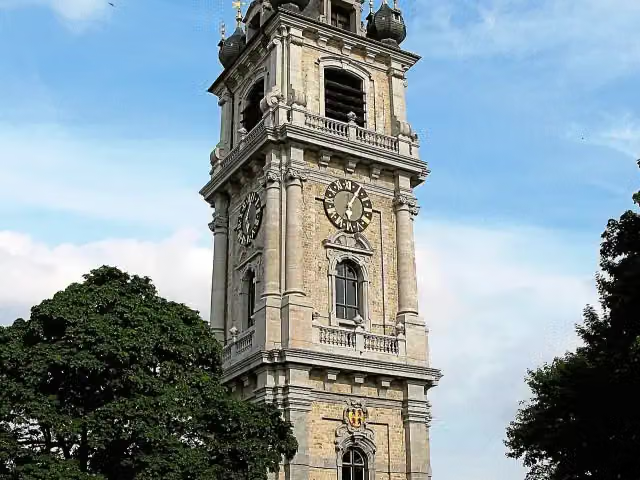
Beffroi
ViewpointAudio story · 2 min

Beffroi · 4.4 km

i
Photo: Jean-Pol GRANDMONT · Wikimedia Commons · CC BY-SA 3.0View the photo on Wikimedia Commons
Mundaneum
MuseumAudio story · 2 min

Mundaneum · 4.6 km

i
Photo: Mr N · Wikimedia Commons · CC BY-SA 4.0View the photo on Wikimedia Commons
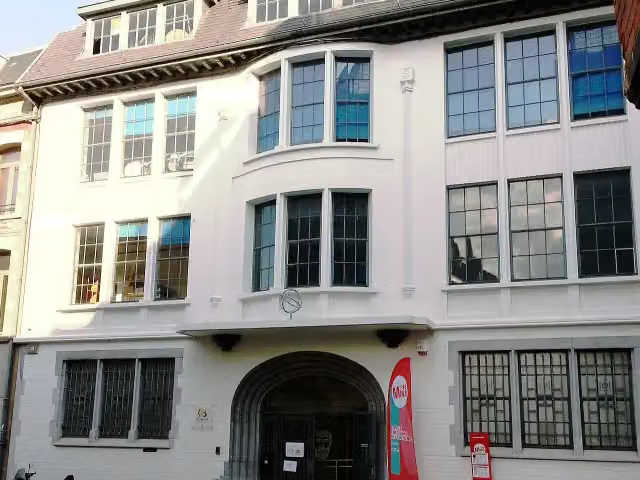
Maison Van Gogh
MuseumAudio story · 2 min

Maison Van Gogh · 4.7 km

i
Photo: Jean-Pol GRANDMONT · Wikimedia Commons · CC BY 3.0View the photo on Wikimedia Commons
Grand-Hornu
AttractionAudio story · 2 min

Grand-Hornu · 10.3 km

i
Photo: Jean-Pol GRANDMONT · Wikimedia Commons · CC BY 3.0View the photo on Wikimedia Commons
Château d'Havré
CastleAudio story · 2 min

Château d'Havré · 6.4 km

i
Photo: Jean-Pol GRANDMONT · Wikimedia Commons · CC BY-SA 3.0View the photo on Wikimedia Commons

Hear the story of Beffroi on the spot with the app

Explore further

Frequently asked questions

What are the Minières néolithiques de Petit-Spiennes in Mons?

They are prehistoric flint mines just south-east of Mons. They are among the largest and oldest flint mines in Europe and have been listed by UNESCO since 2000.

Can you go down into the Minières néolithiques de Petit-Spiennes?

Yes, you can usually descend into a mine shaft. The mines can only be visited on certain days or by appointment, so check the SILEX'S website in advance.

What is there to see at the Minières néolithiques de Petit-Spiennes?

At the SILEX'S visitor centre in Petit-Spiennes, you will find an exhibition and a multimedia presentation about the mines and the people who worked there. Across the site lie millions of flint flakes, the waste from prehistoric stone knappers.

Are there benches at the Minières néolithiques de Petit-Spiennes?

Yes, the nearest bench is 325 metres away, on Rue de Nouvelles. There is 1 bench within 500 metres.

Is there a toilet or drinking water at the Minières néolithiques de Petit-Spiennes?

No, according to our map there is no public toilet and no drinking water tap within 1 km. Bring your own drinking water.

Nearby

More well-known points of interest nearby

The free app

All of Outdoor Pitstop, in your pocket

Find the nearest pitstop, navigate there, listen to audio tours, earn XP and make routes and lists together.

Download on the App StoreGet it on Google Play
How Outdoor Pitstop works →
The map of the app with pitstops nearby
A pitstop in the app, with a photo, a review and Navigate
Your profile in the app, with level and XP