Skip to content
Outdoor Pitstop logoOutdoor Pitstop

Archaeological site · Mons · Updated on 1 November 2026.

Archaeological site Minières néolithiques de Petit-Spiennes in Mons

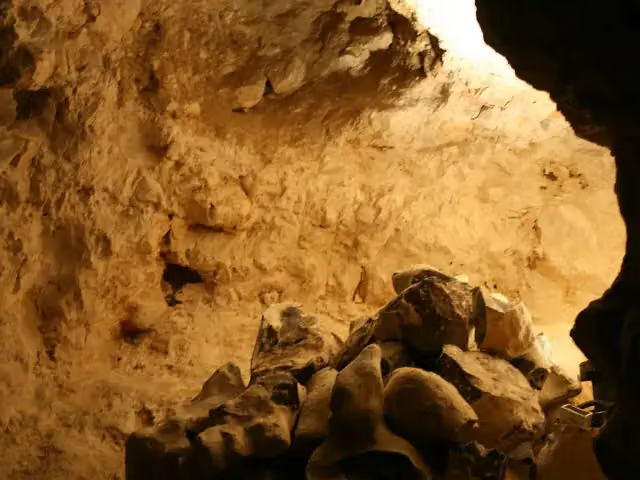
Minières néolithiques de Petit-Spiennes is an archaeological site in Mons, Hainaut. This place has an audio tour of about 2 minutes, in English or Dutch. Within 330 m you'll find a bench.

Archaeological site Minières néolithiques de Petit-Spiennes in Mons
i
Photo: Jean-Pol GRANDMONT · Wikimedia Commons · CC BY-SA 3.0View the photo on Wikimedia Commons
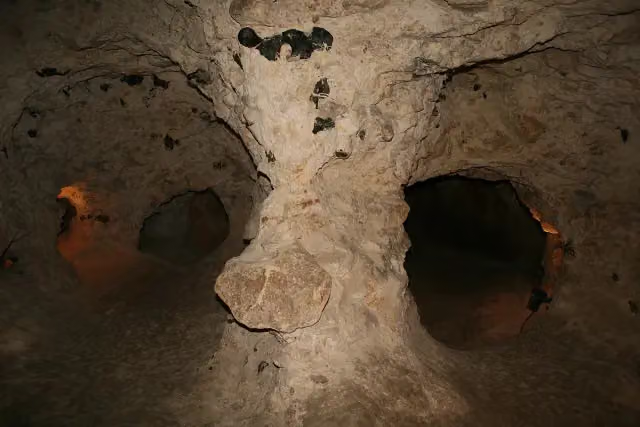
Archaeological site Minières néolithiques de Petit-Spiennes in Mons, photo 2
i
Photo: Jean-Pol GRANDMONT · Wikimedia Commons · CC BY-SA 3.0View the photo on Wikimedia Commons
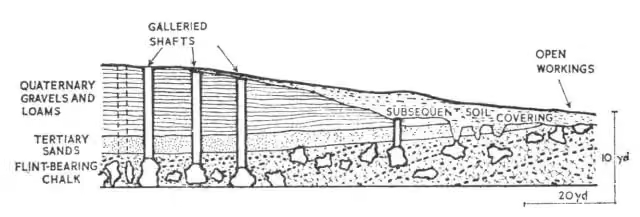
Archaeological site Minières néolithiques de Petit-Spiennes in Mons, photo 3

Audio tour · Minières néolithiques de Petit-Spiennes

2:05

  • en
  • nl

You're standing at the Neolithic flint mines of Spiennes, just southeast of Mons. At first glance it's mostly rolling countryside. But take a close look at the ground. Sharp little chips of flint are everywhere. There are millions of them, and they're no accident. They're the waste left by stone workers who were busy here thousands of years ago. For more than two thousand years, from around 4300 BC, people dug flint out of this hill. Flint is perfect for axes and razor-sharp blades. Across more than a hundred hectares they sank thousands of pits. A shaft was about a metre wide and could go down as deep as sixteen metres. At the bottom they dug side galleries, some up to seven metres long, using flint picks and tools made of deer antler. Only the best stones went up to the surface. The rubble was simply packed back into old galleries. Up top, the nodules were knapped straight away into rough axe shapes. These were traded as far as about a hundred and fifty kilometres away, and often only polished at their destination. With axes like these, early farmers cleared forests and built huts and canoes. For a long time nobody knew what lay here. Around the 1840s, workers at a nearby quarry noticed strange old pits. Then in 1867, railway construction laid bare twenty-five shafts, and scientists took notice. Digs turned up pottery, bones of cattle, pigs, goats and sheep, and even human skeletons. Since 2000 the site has been a UNESCO World Heritage Site, as one of the largest and oldest flint mines in Europe. So what's inside? The SILEX'S visitor centre, in the area called Petit-Spiennes, has an exhibition and a multimedia show about the mines and the people who lived and worked around them. Best of all, you can usually climb down into an actual mine shaft. Just note that the mines are only open on certain days or by appointment, so check the SILEX'S website before you go.

Read and hear the whole story in the Outdoor Pitstop app: check in at this place and it is yours (with Pro; new users are Pro for the first 4 weeks).

Photos

10 photos from Wikimedia Commons. In the app you add your own photo when you are there.

Archaeological site Minières néolithiques de Petit-Spiennes in Mons
1 / 10
i
Photo: Jean-Pol GRANDMONT · Wikimedia Commons · CC BY-SA 3.0View the photo on Wikimedia Commons

Facilities near Minières néolithiques de Petit-Spiennes

The nearest pitstop of each kind within 1 km, as the crow flies. No water point, public toilet, bike pump or food stand within 1 km.

Well-known points of interest nearby

30 well-known points of interest nearby, those with an audio tour first.

Mundaneum
MuseumAudio story · 2 min

Mundaneum · 4.6 km

i
Photo: Mr N · Wikimedia Commons · CC BY-SA 4.0View the photo on Wikimedia Commons
Strépy-Thieu boat lift
AttractionAudio story · 3 min

Strépy-Thieu boat lift · 11.2 km

i
Photo: Lukasz Kobus, European Commission · Wikimedia Commons · CC BY 4.0View the photo on Wikimedia Commons
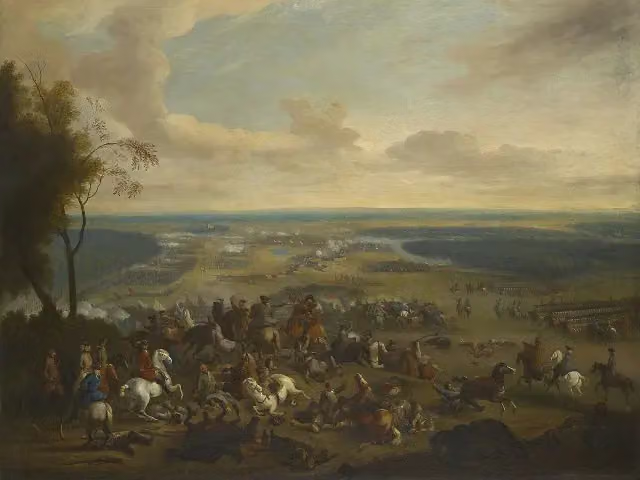
Bataille de Malplaquet (1709)
MemorialAudio story · 2 min

Bataille de Malplaquet (1709) · 12.1 km

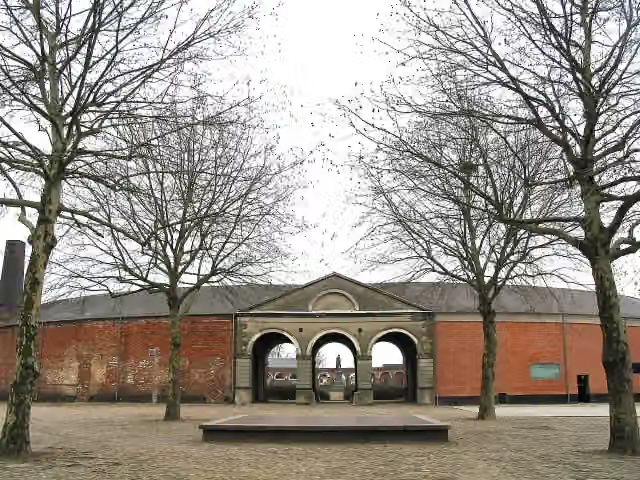
Grand-Hornu
AttractionStory

Grand-Hornu · 10.3 km

i
Photo: Jean-Pol GRANDMONT · Wikimedia Commons · CC BY 3.0View the photo on Wikimedia Commons

Hear the story of Mundaneum on the spot with the app

Explore further

Frequently asked questions

How does the audio tour work?

When you stand at Minières néolithiques de Petit-Spiennes, the Outdoor Pitstop app tells the story of the place in about 2 minutes, in English or Dutch.

The free app

All of Outdoor Pitstop, in your pocket

Find the nearest pitstop, navigate there, listen to audio tours, earn XP and make routes and lists together.

Download on the App StoreGet it on Google Play (Coming soon)Coming soon
How Outdoor Pitstop works →
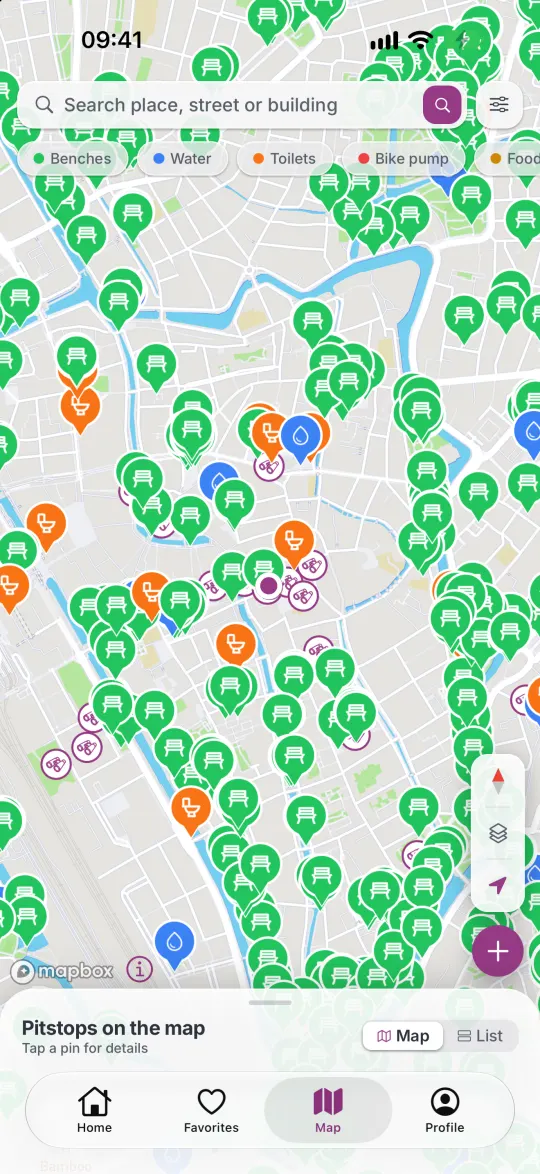
The map of the app with pitstops nearby
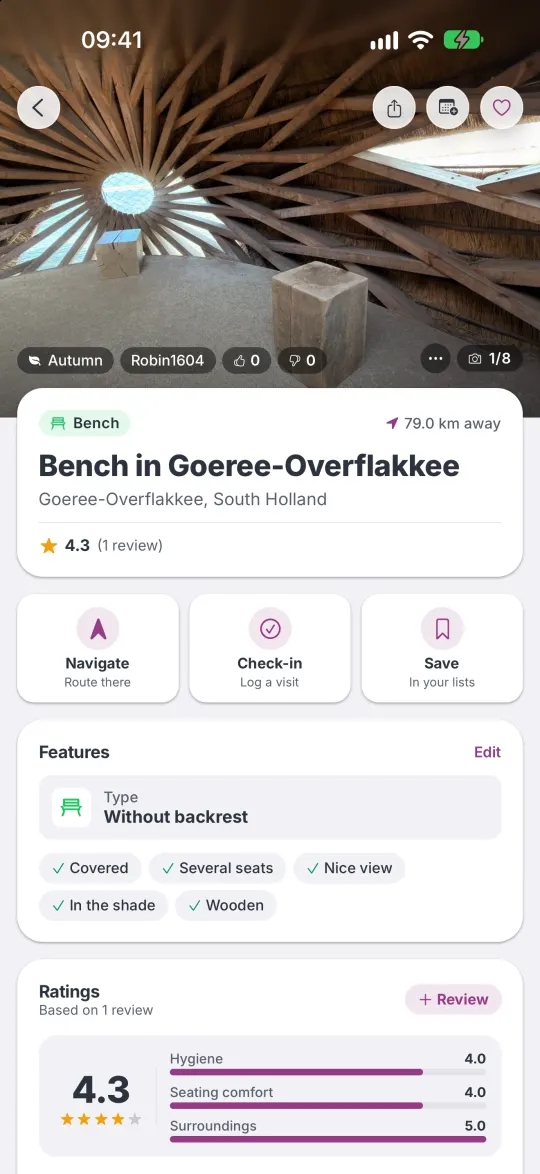
A pitstop in the app, with a photo, a review and Navigate
Your profile in the app, with level and XP