Outdoor Pitstop
The story
Audio tour · Glenlee
2:13
- en
- nl
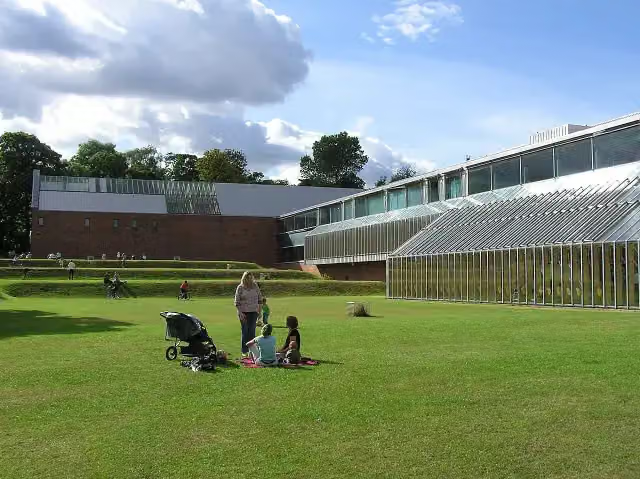
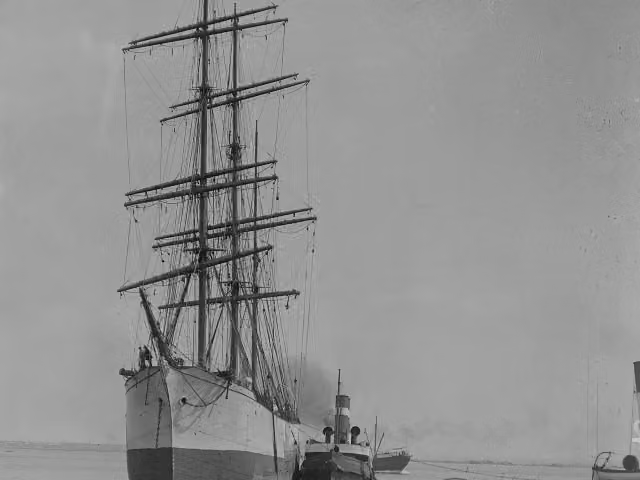
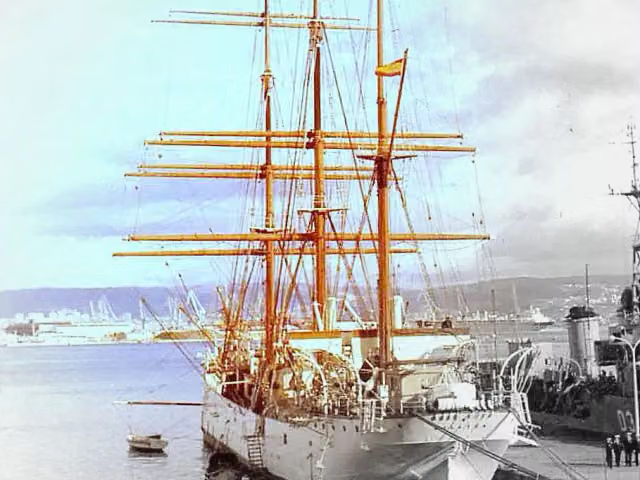
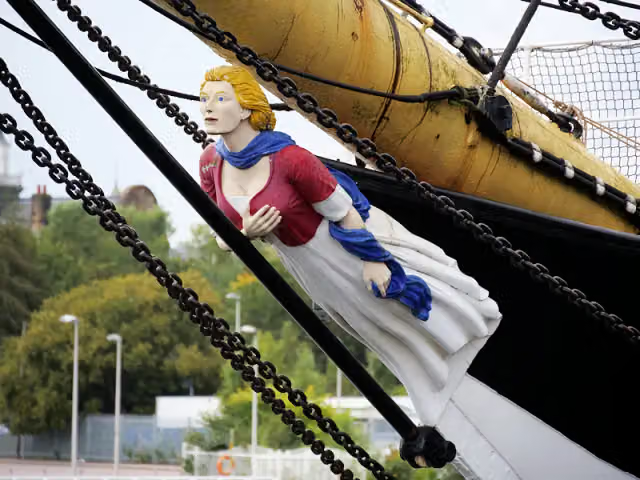
You're standing beside the Glenlee, a three-masted barque moored on the Clyde, right next to the Riverside Museum in Glasgow. Start with the hull. It's steel, almost 75 metres long and painted grey, with painted gun ports along the side. That gives her a tough, almost military look. Then look up at the three tall masts and all the rigging. It's all new, because the restoration gave the ship a complete new set.\n\nGlenlee was built in 1896 at Port Glasgow, a little way down the river. She was launched on 3 December that year. Ten days later she set off on her first voyage, to Liverpool and then on to Portland in the United States. For 23 years she carried cargo. She sailed to Australia via the Cape of Good Hope and came home around Cape Horn. Along the way she got new owners and new names: first Islamount, later Clarastella.\n\nIn 1922 she ended up with the Spanish Navy as the training ship Galatea. Cabins for 300 cadets were fitted on board. She stayed in service for almost forty years, until she was laid up and nearly scrapped.\n\nIn 1990 a British naval architect, Sir John Brown, discovered her. In 1993 the Clyde Maritime Trust bought her at auction for 40,000 pounds. A tug towed her to Glasgow, where the Lord Provost gave her back her original name on 6 July 1993. The original figurehead is still in Spain, so what you see here is a replica that cost 12,000 euros. The story goes that the Spanish would only hand it back once Britain returned Gibraltar.\n\nSo what's inside? You can walk aboard and see what life was like on a big sailing ship. All the cabins built for the Spanish cadets have been removed, taking her closer to her original state. The ship also hosts educational programmes and events.\n\nShe's right beside the Riverside Museum, so it's easy to combine the two in one visit.
Listen to the first 30 seconds
0:00 / 0:30
Read and hear the whole story in the Outdoor Pitstop app: check in at this place and it is yours (with Pro; new users are Pro for the first 4 weeks).