National Museum of History and Art in Luxembourg: national museum
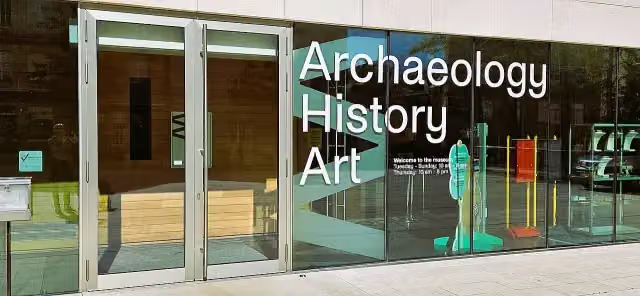
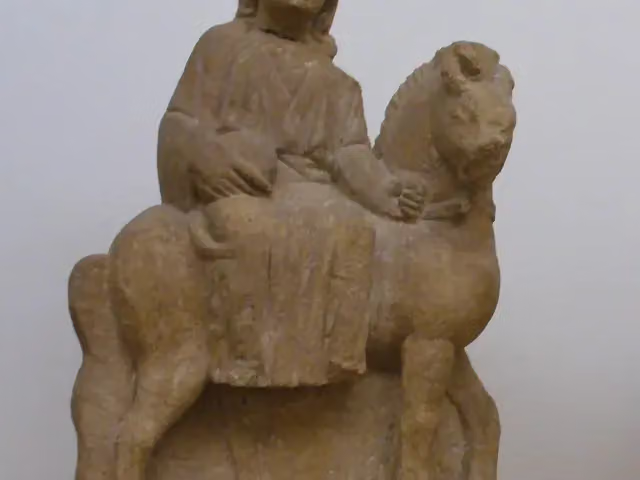
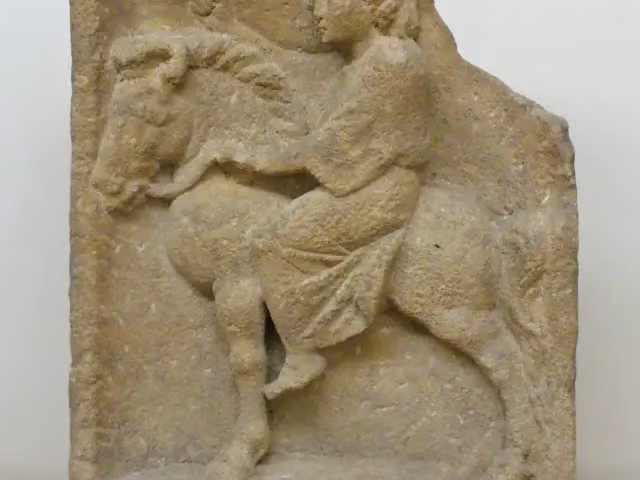
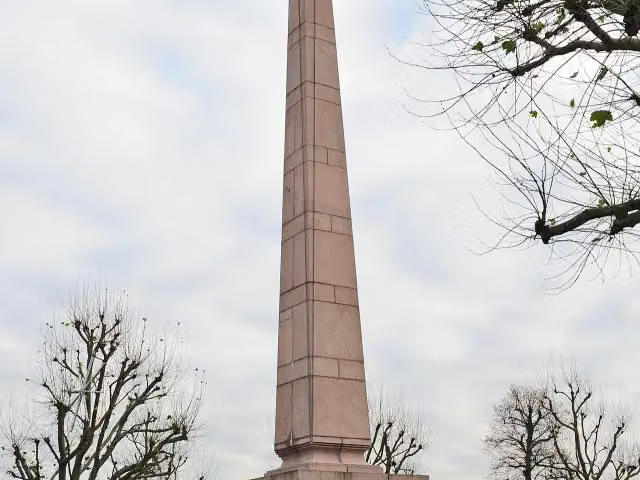
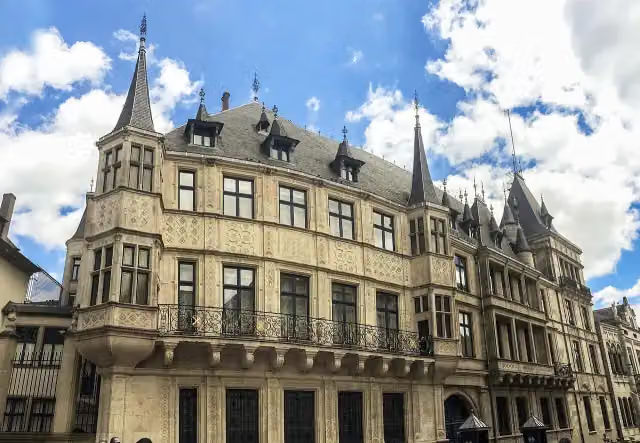
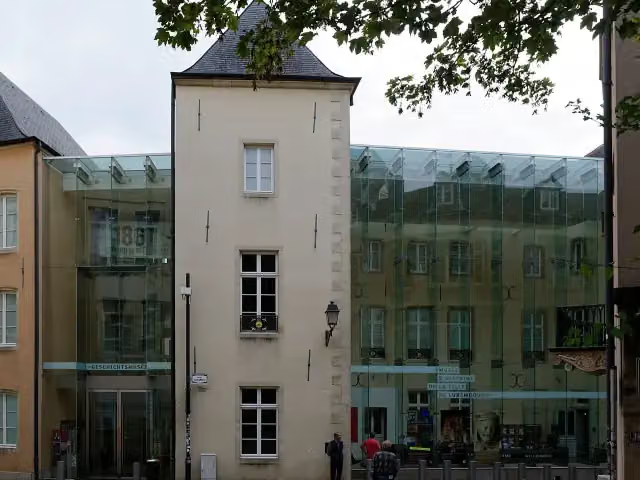
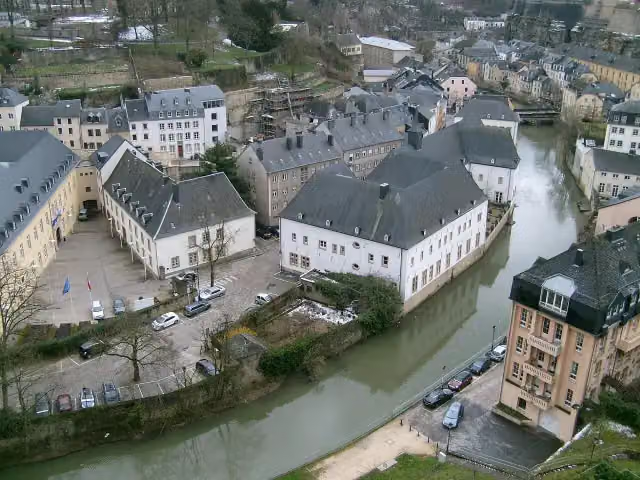
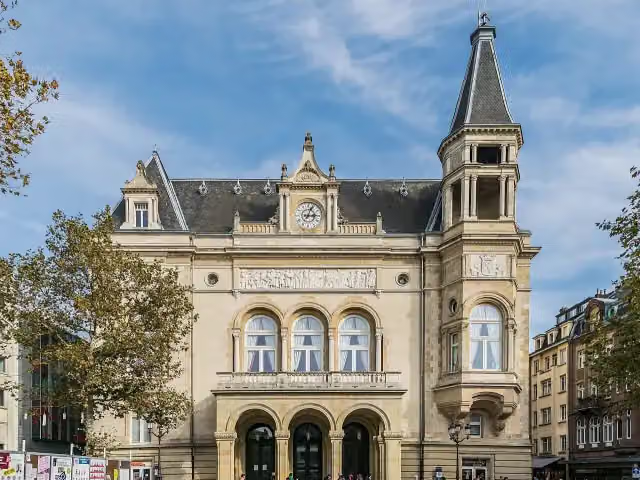
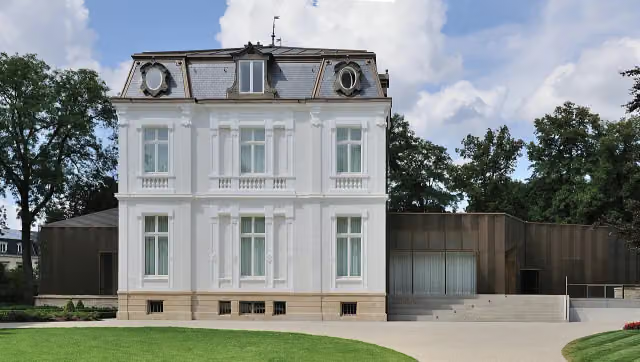
The National Museum of History and Art in Luxembourg is the national museum for archaeology, history and art. Here you can read the story of the country, from prehistory to the medieval period. The museum holds many finds, such as coins, mosaics, statues and jewellery. Paintings from the medieval period to the present day also hang here, by artists from across Europe. The watercolours by the English painter William Turner, who also painted the city of Luxembourg, are well known. You will find the museum on Marché-aux-Poissons 1, the Vismarkt in the old heart of the city. Close by stand the Trois Tours (94 metres) and the Grand Ducal Palace (97 metres). The Monument du souvenir is situated at 412 metres.
A museum history from 1800 to today
The idea for a national museum is much older than the building you see now. A museum was already proposed around 1800, when troops occupied Luxembourg and the country was under foreign rule. Art objects were even confiscated from churches, but the museum never materialised. Only after Luxembourg had its independence confirmed in 1839 did interest in the country's own history grow. In 1845, historians and archaeologists founded a society that went on to manage the old collection of antiquities.
In 1939, the collection was moved to safety. After the invasion in May 1940, the building served for months as lodging for a relief organisation and the army. The occupiers then took over the museum. They wanted to use it to promote their idea of culture, and bought around 3,500 objects, mainly folk art. The museum reopened in 1946. Since the end of 2022, it has been officially called MNAHA, and it also manages other sites, including an ancient villa in Echternach.
 Outdoor Pitstop