National Museum of Lithuania in Vilnius: Lithuania's history museum
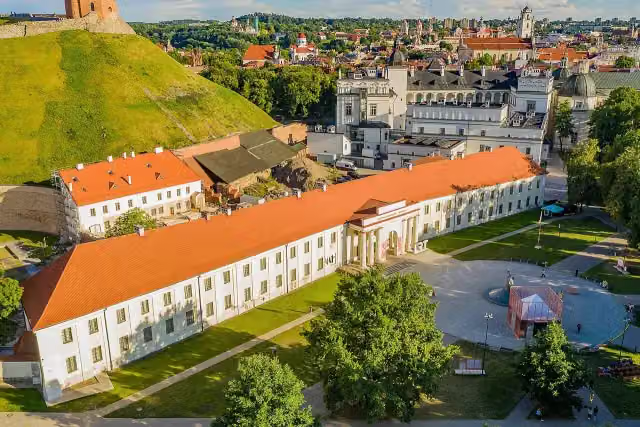
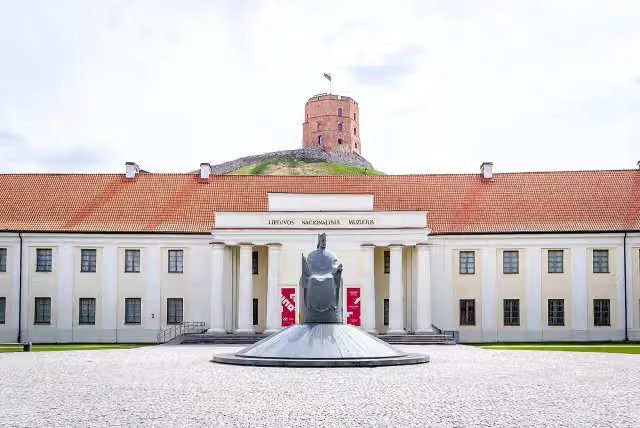
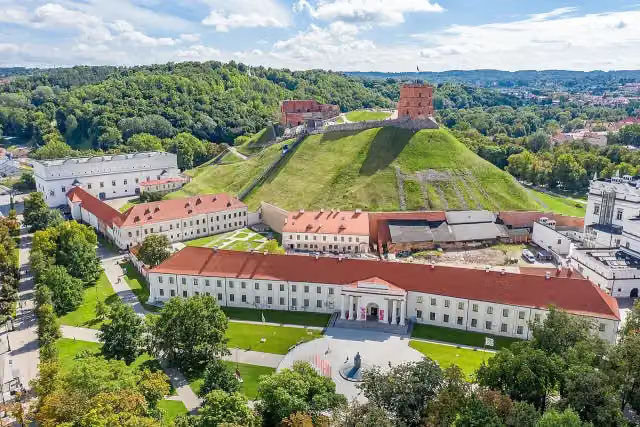
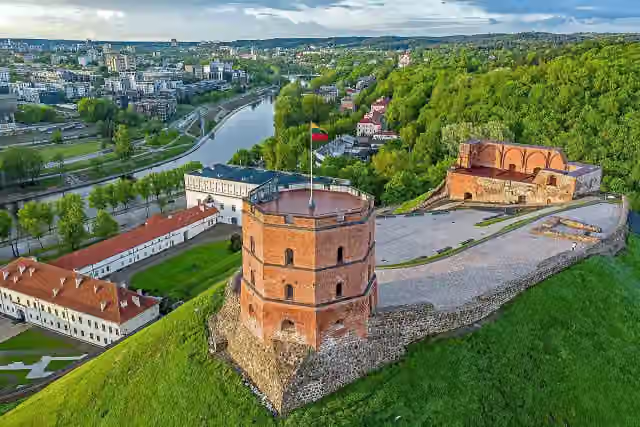
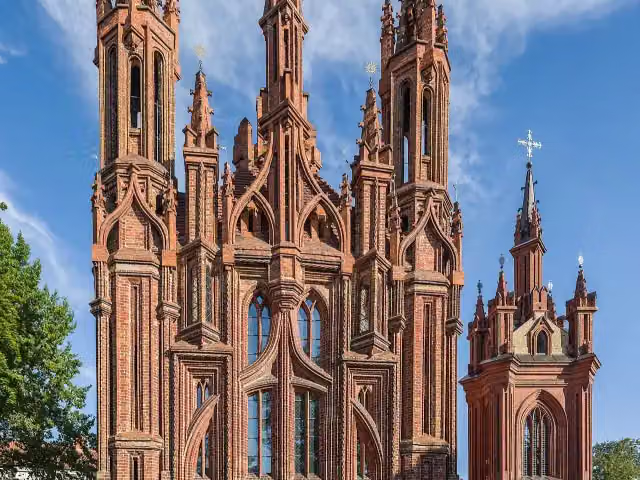
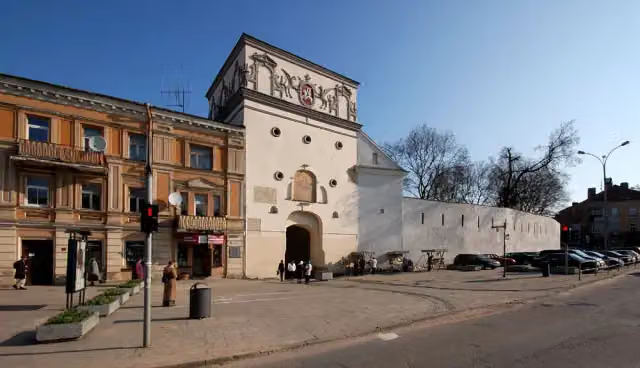
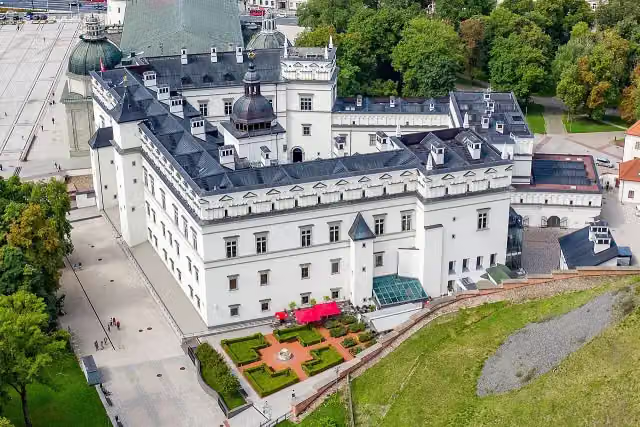
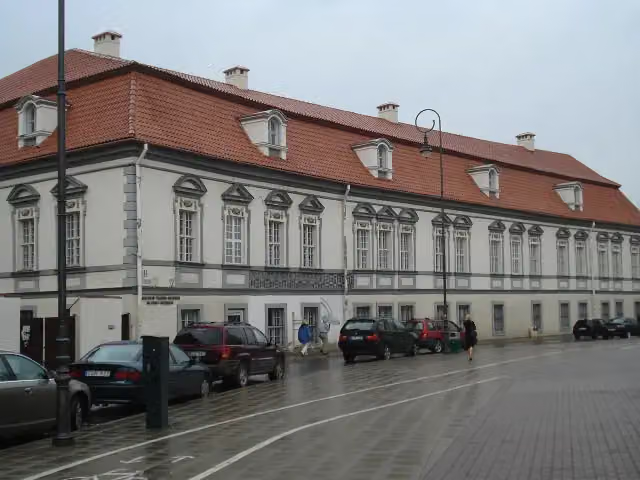
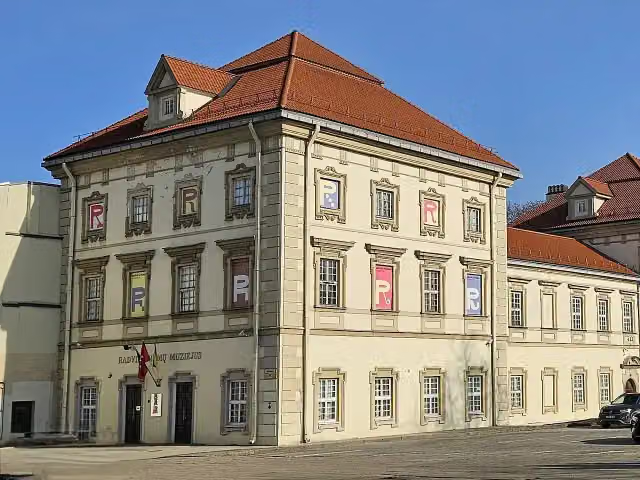
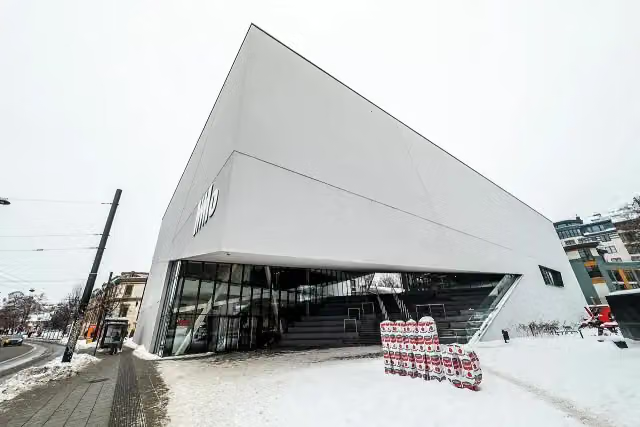
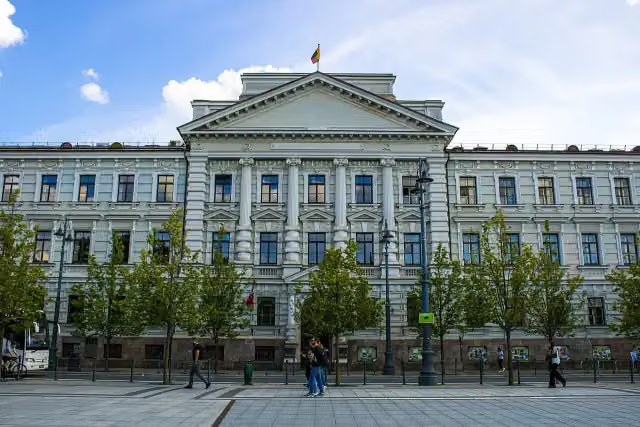
The National Museum of Lithuania in Vilnius is the history museum of the state of Lithuania. Its collection holds around 800,000 objects, divided into history and recent history, archaeology, ethnography (folk culture), coins and iconography (images). The museum does not only collect. It also digs for itself, during excavations across the country. You will find it at Arsenalo g. 1 in Vilnius. Nearby are other museums: Gedimino pilis, 118 metres away, and Valdovų rūmai, 133 metres away. St. Anne's Church is 544 metres away.
The history of the National Museum of Lithuania
The museum began in 1855, when Eustachy Tyszkiewicz set up a museum in Vilnius on the culture and history of the Groothertogdom Litouwen. It was popular and drew many visitors. After the Januariopstand of 1863, the Russische Rijk moved a large part of the collection to Moskou. In 1915, as the front of the Eerste Wereldoorlog drew closer, even more was taken to Rusland.
After independence in 1918, a new museum of history and ethnography opened. Its director was Jonas Basanavičius, one of the signatories of the Litouwse onafhankelijkheidsverklaring. After 1919, Vilnius belonged to Polen and the museum was absorbed into the university. In 1941, the Academie van Wetenschappen took over all the city's museum collections. It only became an independent museum again in 1952, and in 1967 it moved into the Nieuwe Arsenaal. Since 1992, following the restoration of independence, it has been called the National Museum of Lithuania.
 Outdoor Pitstop