The history of the Historisches Grünes Gewölbe
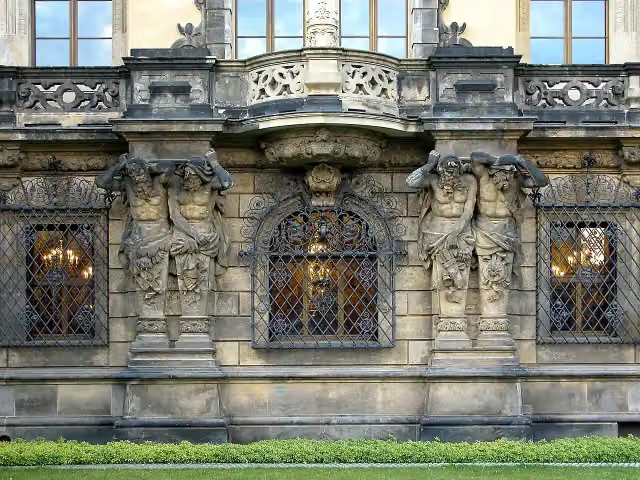
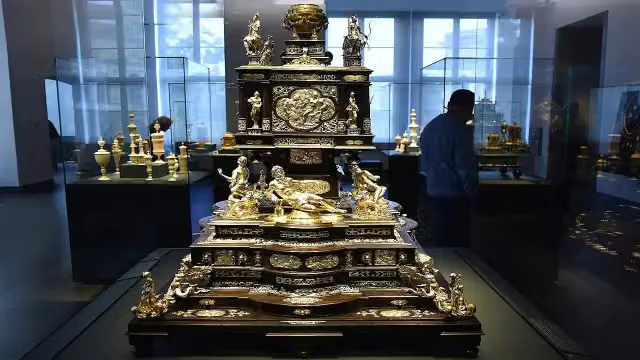
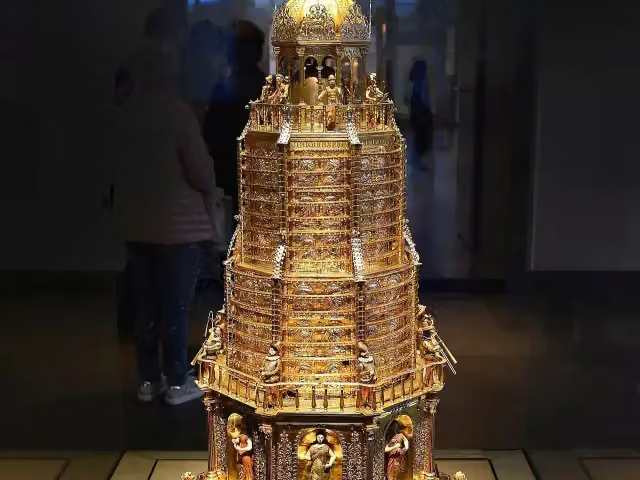
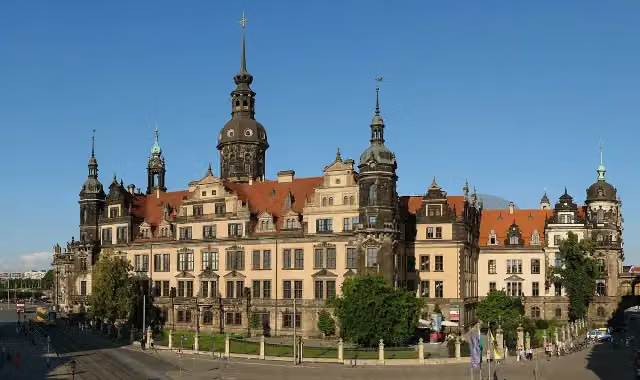
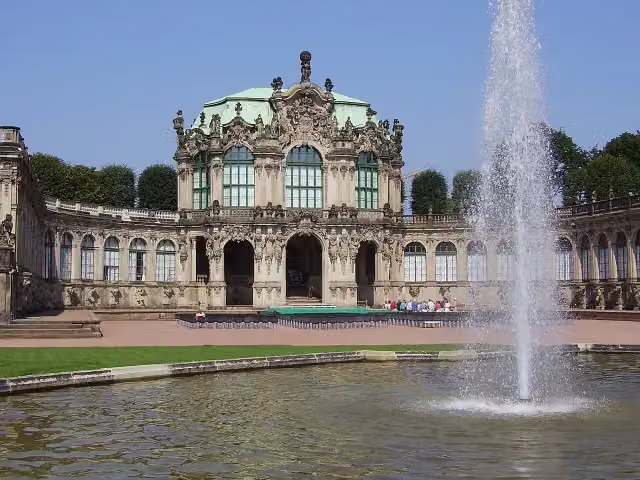
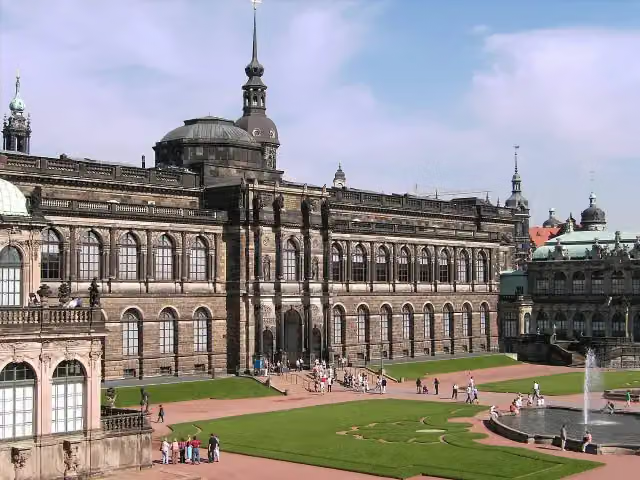
The Grünes Gewölbe takes its name from the malachite-green colour of the column bases and capitals in its vaulted halls, added when Maurits van Saksen became keurvorst in 1547 and had a new wing built beside his palace. The rooms were officially called the Geheime Verwahrung, or secret repository, and thick walls, iron shutters and doors protected jewels and documents from fire and thieves. Later, Augustus de Sterke, keurvorst van Saksen and koning van Polen, had the halls redecorated in the baroque style by Matthäus Daniel Pöppelmann, who also designed the Zwinger. When war threatened, the collection was moved to the vesting Königstein, a wise decision, as 3 halls were destroyed in the bombing of 13 February 1945. The Rode Leger took the treasures to the Sovjet-Unie, and they returned in 1958. Both museums reopened in the palace in 2004 and 2006. In 2019, thieves stole 3 sets of jewels, together perhaps worth a billion euros. Part of the haul has been recovered, and 5 men have been convicted.
 Outdoor Pitstop