Outdoor Pitstop
Short answer
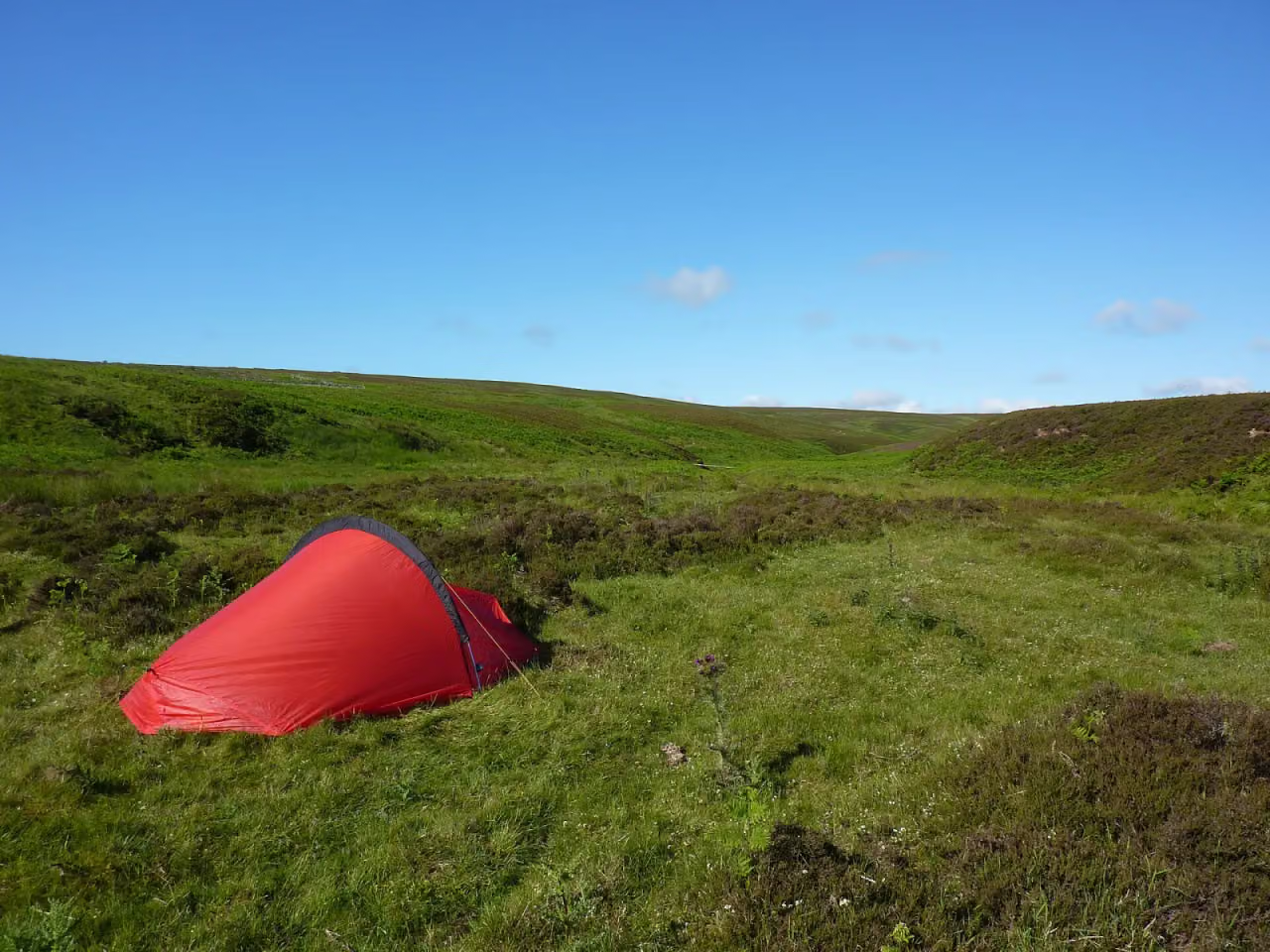
Wild camping in Europe is a right in Scotland, Norway, Sweden and Finland, where you may pitch a small tent for a night or two on most unenclosed land. In England, Wales, Ireland, France, Germany and Spain you usually need the landowner's permission or a designated site, with a few local exceptions. In the Netherlands and Portugal, camping outside campsites is not allowed.
Rules checked on 25 November 2026 against the official sources named in each section. Laws and local byelaws change, so check before you go. Facility figures from the Outdoor Pitstop database on 25 November 2026, based on OpenStreetMap and additions from our users.
Wild camping rules in Europe at a glance
The table gives the general rule for a walker or cyclist with a small tent, not for motorhomes or fires.
| Country | Wild camping with a tent | Official source | Public toilets | Drinking water points |
|---|---|---|---|---|
| Scotland | Allowed, 2-3 nights, responsibly | Scottish Outdoor Access Code | 13,915 (whole UK) | 2,923 (whole UK) |
| England and Wales | Landowner's permission; parts of Dartmoor allowed | Countryside Code; UK Supreme Court | see above | see above |
| Ireland | Designated sites or permission | Coillte recreation policy | 1,465 | 374 |
| Norway | Allowed, 150 m from homes, 2 nights | Norwegian Environment Agency | 3,925 | 886 |
| Sweden | Allowed, a night or so | Swedish Environmental Protection Agency | 6,836 | 1,119 |
| Finland | Allowed temporarily, away from homes | Everyman's rights, Metsähallitus | 4,390 | 584 |
| France | Landowner's permission; bivouac rules in national parks | French planning code; park rules | 35,985 | 28,408 |
| Belgium (Flanders) | Only in bivouac zones, one night | Agency for Nature and Forests | 2,280 | 1,161 |
| Germany | Generally not allowed; differs per state | State forest and nature laws | 31,783 | 10,297 |
| Spain | Regulated by regions; mostly not allowed | Regional and municipal rules | 7,635 | 44,967 |
| Portugal | Not allowed outside authorised sites | Law 66/2021 and municipal licences | 3,975 | 6,226 |
| Netherlands | Not allowed | National ban, Staatsbosbeheer | 3,255 | 2,866 |
Toilets and water points: Outdoor Pitstop data, as of 25 November 2026, per country.
Scotland: the most open wild camping rules in the UK
Scotland's access rights come from the Land Reform (Scotland) Act 2003 and are explained in the Scottish Outdoor Access Code, published by NatureScot. Wild camping is part of those rights: lightweight camping in small numbers, for no more than two or three nights in one place. Camp well away from buildings and roads, avoid fields with crops or animals, and take your litter home.
The main exception is Loch Lomond and The Trossachs National Park, where seasonal byelaws mean that in certain areas you may camp only at campsites or with a camping permit. Our guide to Loch Lomond and The Trossachs National Park shows the toilets and water points inside the park.
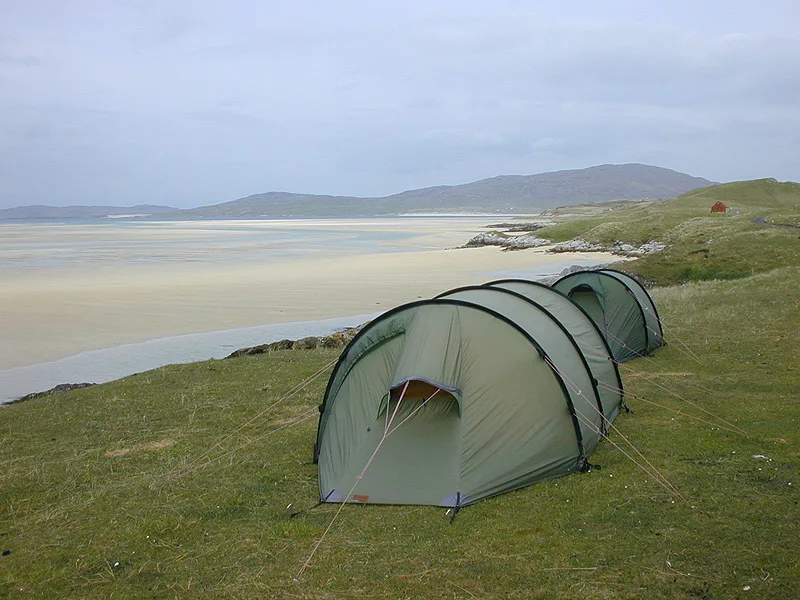
Photo: Nigel Brown, CC BY-SA 2.0, via Wikimedia Commons
England and Wales: permission first, with Dartmoor as the exception
In England and Wales there is no general right to wild camp. The Countryside Code, published by Natural England and Natural Resources Wales, lists camping among the activities for which you may need the landowner's permission.
Dartmoor is the exception. On 21 May 2025 the UK Supreme Court unanimously ruled, in Darwall v Dartmoor National Park Authority, that the right of access to the Dartmoor commons under the Dartmoor Commons Act 1985 includes camping by people who arrive on foot or horseback, as long as the park's byelaws are followed. The national park authority publishes a map of where backpack camping is allowed. See the facilities in Dartmoor National Park to plan your water and toilet stops.
Norway, Sweden and Finland: the right to roam
In Norway (allemannsretten), Sweden (allemansrätten) and Finland (jokamiehenoikeus), wild camping is part of the right of public access.
- Norway. The Norwegian Environment Agency (Miljødirektoratet) says you may camp on uncultivated land (utmark) at least 150 metres from an inhabited house or cabin. For more than two nights in the same place you need the landowner's permission. Some nature reserves have their own bans.
- Sweden. The Swedish Environmental Protection Agency (Naturvårdsverket) says you may spend a night or so in a tent almost anywhere, as long as you do not disturb or damage anything.
- Finland. Everyman's rights, explained by Metsähallitus on luontoon.fi, let you camp temporarily at a reasonable distance from homes. Gardens, fields and nature reserves are excluded, national parks have their own rules, and campfires are not part of the right.
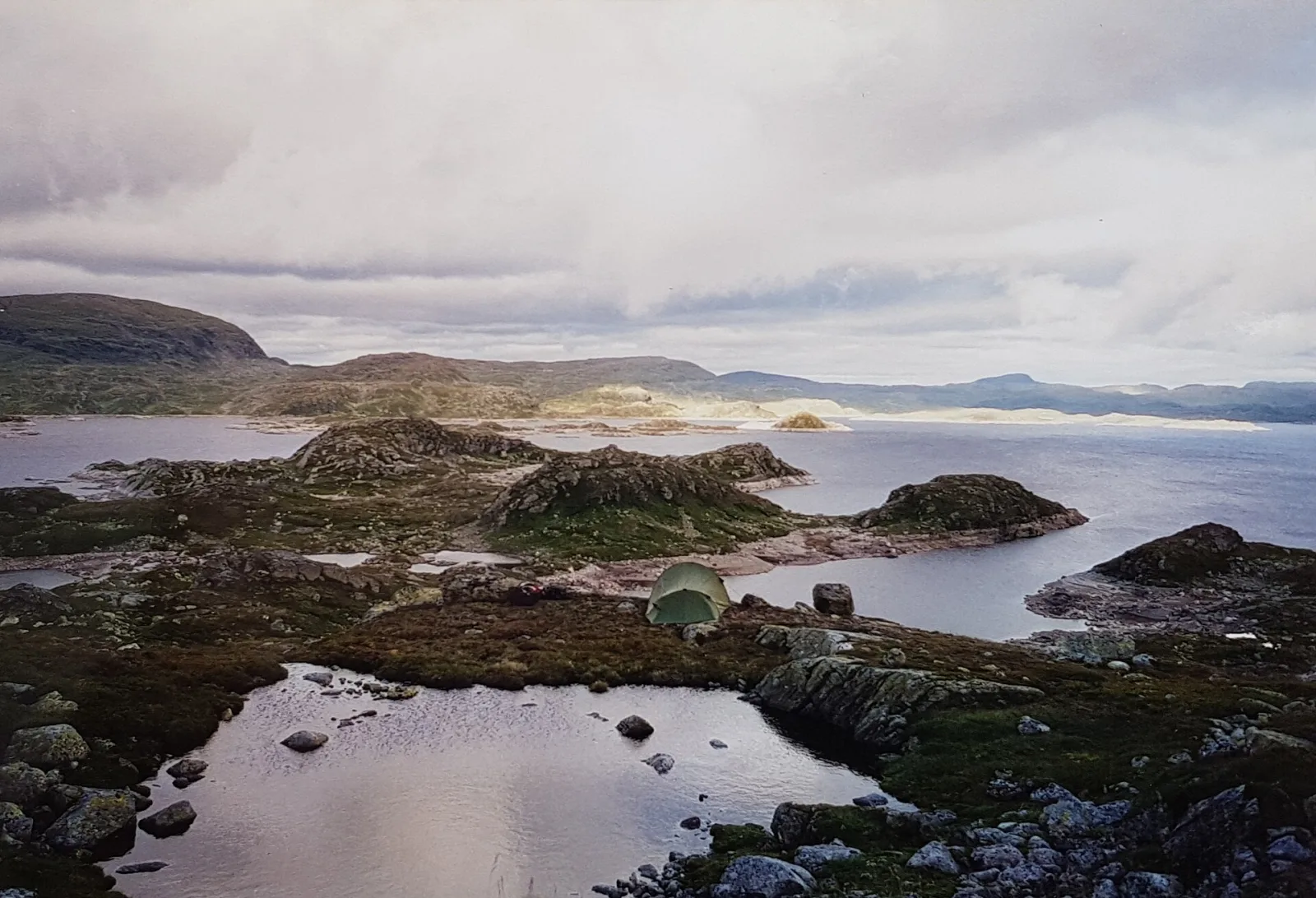
Photo: Sascha Grosser, CC BY-SA 4.0, via Wikimedia Commons
Water is the thing to plan for in the north. According to Outdoor Pitstop's data (as of 25 November 2026), Norway has 886 drinking water points on our map and Finland 584, most of them in towns. See the water fountains in Norway.
France: ask the landowner, or bivouac in the mountains
In France, camping on your own is generally allowed with the agreement of the person who owns or uses the land, but the French planning code forbids it in several places, including the seashore and protected sites, and mayors can ban it locally. In the national parks the rule is often a bivouac: a light tent for one night. In the Écrins National Park, for example, bivouacking is allowed from 19:00 to 09:00, more than an hour's walk from a road or from the edge of the park's core zone, with a small tent you cannot stand up in.
France has 28,408 drinking water points on our map, many of them village fountains. See the water fountains in France.
Ireland, Belgium, Germany and Spain: designated sites and local rules
- Ireland. Coillte, which manages the state forests, allows wild camping without a permit only at a small number of designated sites, mainly for long-distance walkers, following Leave No Trace. Elsewhere, ask the landowner.
- Belgium. Camping in nature is banned in Flanders, except in bivouac zones (bivakzones) of the Agency for Nature and Forests: one night, usually from 17:00 to 10:00, often booked in advance. Wallonia has its own bivouac areas.
- Germany. Each of the 16 states has its own forest and nature conservation law. In most, camping in the forest needs the owner's consent, and nature reserves and national parks are off limits. Many regions have official trekking sites (Trekkingplätze) for one night.
- Spain. The autonomous communities and municipalities set the rules, and most do not allow camping outside campsites. Some mountain areas allow a one-night bivouac above a certain height; check the regional or park rules.
Portugal and the Netherlands: not allowed
In Portugal, Law 66/2021 bans overnight stays in motorhomes outside authorised places, and camping outside campsites needs a licence from the municipality. Fines are higher in protected areas.
In the Netherlands, wild camping is not allowed anywhere. Staatsbosbeheer, the state forestry service, closed its 17 basic camping sites (paalkampeerterreinen) in 2020; a few sites run by other organisations remain.


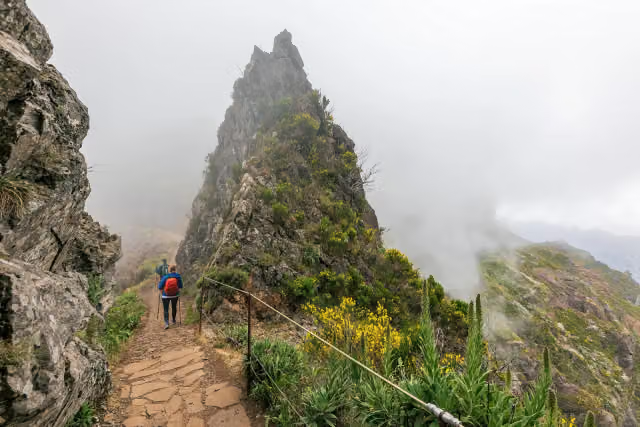
On a multi-day walk, plan water and toilets as well as where to sleep. Our guide to toilets on hiking trails explains what to do when there is none, and the Madeira thru-hike shows how we plan a long route stage by stage.
On the map
Water fountains and refill points in United Kingdom, Norway, Sweden and France (33,336)
Take Outdoor Pitstop along on your phone
Free · 3.4 million pitstops in 44 countries