Outdoor Pitstop
Short answer
In January, the warmest places in Europe are the Canary Islands and Madeira, with average daytime highs of 20-21°C (68-70°F) and nights around 14-15°C (57-60°F). The south of Spain, the Algarve and Cyprus come next at 16-17°C (61-63°F) by day, but with cold nights of around 8°C (46°F). For walking, that is close to ideal: warm enough for a T-shirt in the sun, cool enough to climb a hill without overheating.
Temperatures are the 1991-2020 averages from the climate tables on Wikipedia, which cite the national weather services (AEMET for Spain, IPMA for Portugal, the Met Office for the UK, NOAA for Cyprus). Facility figures come from the Outdoor Pitstop database on 25 November 2026.
Where is warm in January: the nine places compared
The table below compares January averages for nine winter-sun destinations within Europe, with London for reference. The highs are what you feel on a sunny afternoon walk; the lows matter if you start early or walk in the hills.
| Place (weather station) | Day (°C / °F) | Night (°C / °F) | Rain in January | Sunshine hours |
|---|---|---|---|---|
| Tenerife (Santa Cruz) | 21.1 / 70 | 15.5 / 60 | 29 mm | 188 |
| Gran Canaria (airport) | 21.1 / 70 | 15.2 / 59 | 23 mm | 184 * |
| Madeira (Funchal) | 20.0 / 68 | 14.3 / 58 | 67 mm | 161 |
| Cyprus (Paphos airport) | 17.3 / 63 | 8.6 / 47 | 90 mm | 180 |
| Andalusia (Málaga airport) | 17.2 / 63 | 7.9 / 46 | 62 mm | 183 |
| Algarve (Faro airport) | 16.3 / 61 | 8.3 / 47 | 49 mm | 182 |
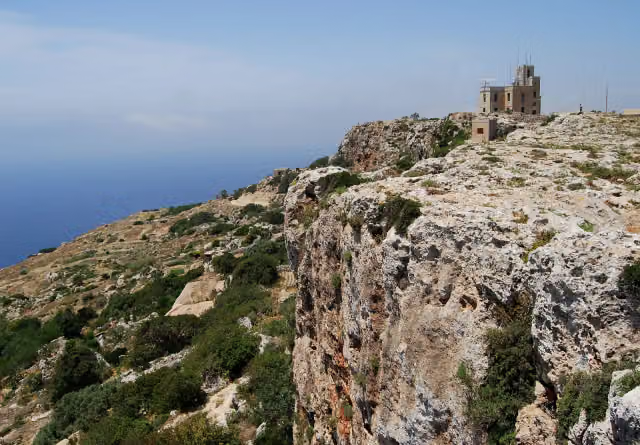
| Malta (Luqa airport) | 15.7 / 60 | 10.1 / 50 | 79 mm | 169 |
| Crete (Heraklion airport) | 15.2 / 59 | 9.4 / 49 | 81 mm | 118 |
| London (Greenwich), for reference | 8.5 / 47 | 3.4 / 38 | 44 mm | 44 |
\* Sunshine for Las Palmas de Gran Canaria, AEMET 1981-2010.
Tenerife and Gran Canaria are the clear winners on temperature and are also the driest. Madeira is almost as warm but gets more than twice as much rain, mostly on the north side and in the mountains. Cyprus, Málaga and the Algarve have as much sunshine as the Canaries, but the nights are about 7°C colder, so pack a warm layer for the evening.
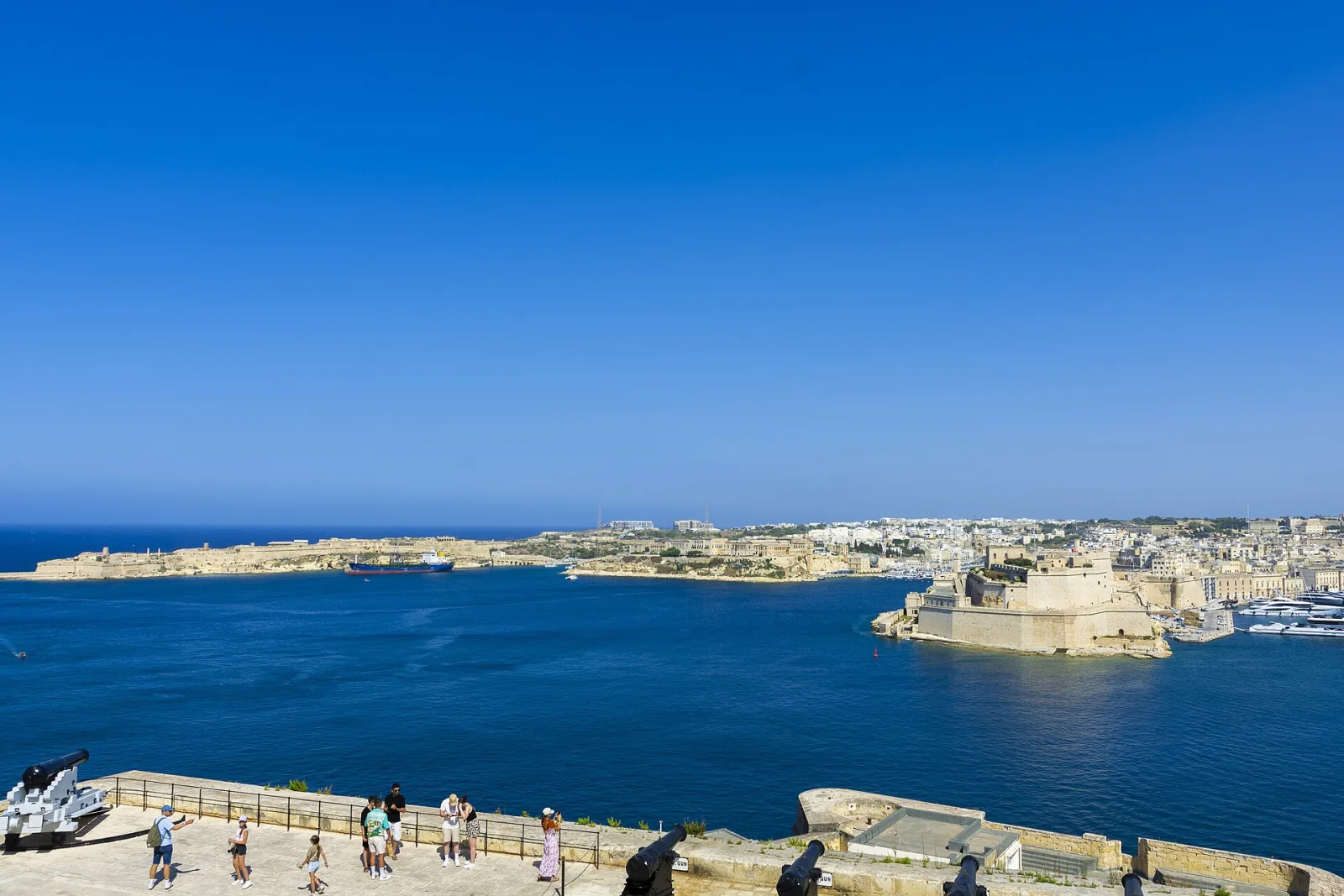
Photo: Trajcinema, CC BY 4.0, via Wikimedia Commons
The Canary Islands: the warmest place in Europe in January
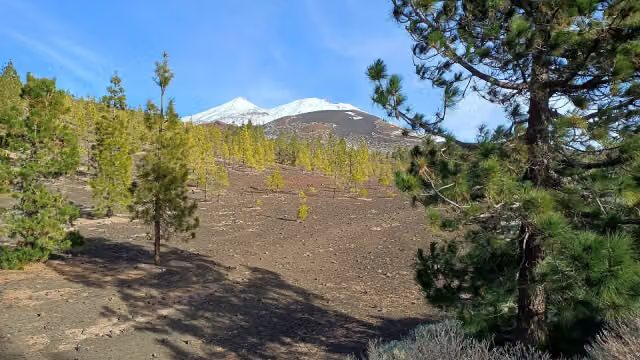
The Canary Islands lie in the Atlantic Ocean off the coast of north-west Africa, far further south than the rest of Spain. That is why they stay at 20°C or more by day all winter. Tenerife has the most variety for walkers, from the laurel forest of Anaga to the volcanic landscape around Mount Teide, where it can snow in January. For the weather, the walks and the facilities on that one island, read our guide to Tenerife in January.
Gran Canaria and Lanzarote are just as warm on the coast. Lanzarote is flatter and drier, which suits cycling and coastal walks more than hill walks.
Madeira: green and mild, with more rain
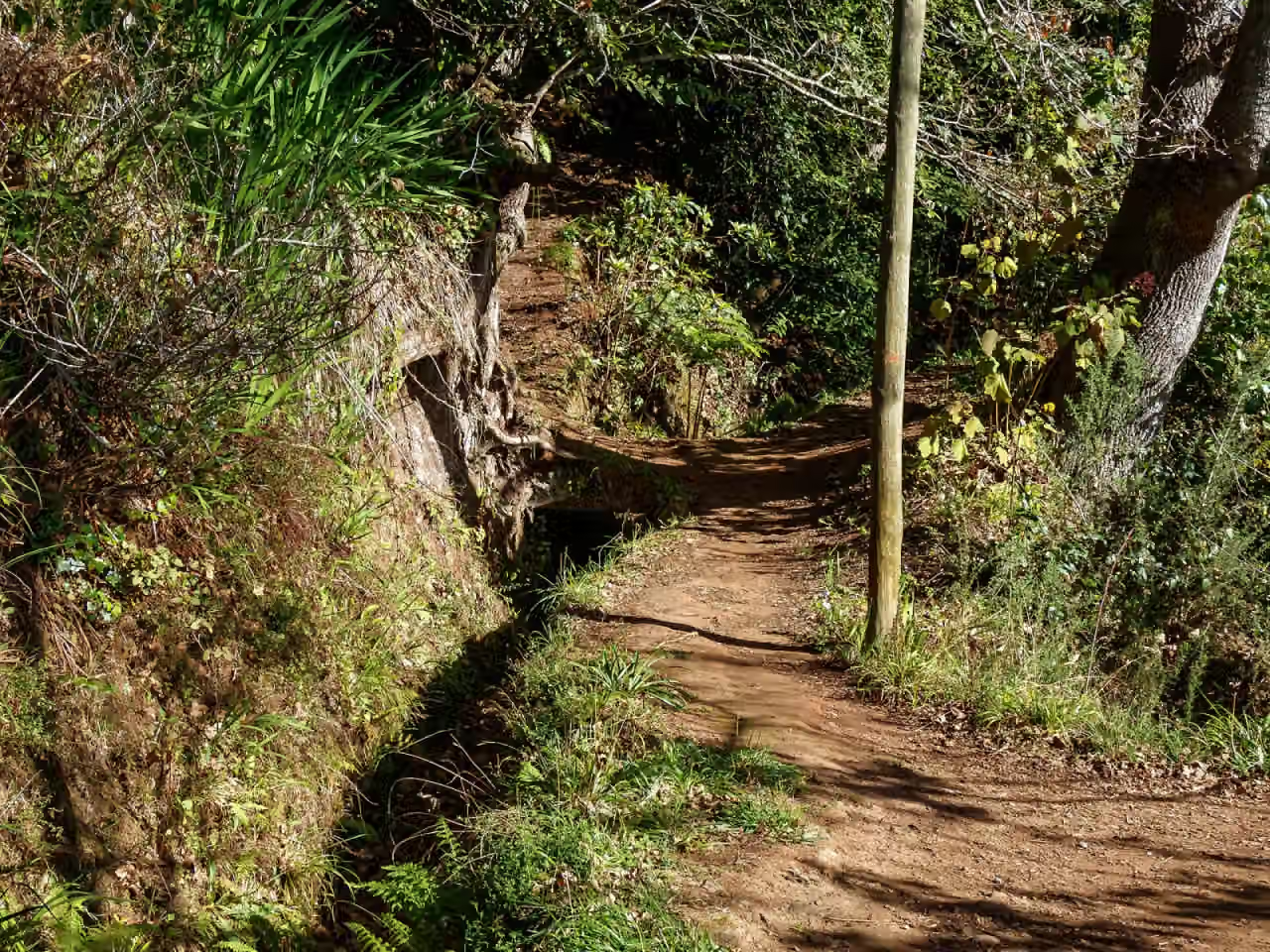
Madeira has the levadas, old irrigation channels with a flat path alongside, which make it one of the best islands in Europe for walking in winter. In January Funchal averages 20°C (68°F) by day. The catch is rain: 67 mm in the month on average in Funchal, and more in the mountains. On wet days the paths can be slippery and paths are sometimes closed after storms, so check the conditions before you set off. All the facilities on the island are on our page about public toilets and facilities in Madeira.
Cyprus, Malta and the Mediterranean in January
The Mediterranean is mild rather than warm in January. Cyprus and the Costa del Sol reach about 17°C (63°F) on a sunny day, Malta and Crete about 15-16°C (59-61°F). January is also one of the wettest months there: Cyprus, Malta and Crete each get around 80-90 mm of rain. In return, the countryside is green, the paths are quiet and it is rarely too hot to walk at midday. See the facilities on the pages for Cyprus and Malta.
Toilets, water and benches in each destination
On a long walk in a warm place, knowing where to refill your water bottle and find a toilet matters as much as the weather. According to Outdoor Pitstop's data (as of 25 November 2026), these are the public facilities on our map in each destination.
| Destination | Public toilets | Drinking water points | Benches |
|---|---|---|---|
| Tenerife | 245 | 281 | 2,505 |
| Gran Canaria | 242 | 32 | 2,313 |
| Lanzarote | 110 | 3 | 596 |
| Madeira | 244 | 560 | 1,452 |
| Cyprus | 541 | 465 | 2,061 |
| Malta | 175 | 16 | 1,560 |
| Málaga (city) | 101 | 405 | 3,548 |
| Algarve (Faro district) | 367 | 171 | 1,494 |
| Heraklion area, Crete | 72 | 55 | 540 |
Madeira stands out for drinking water: 560 taps and fountains, many of them along the levadas and in the villages. On Lanzarote, Gran Canaria and Malta there are very few public taps on the map, so carry enough water or plan a stop at a café. The full lists are on the pages for Tenerife, the Algarve (Faro district) and Andalusia.


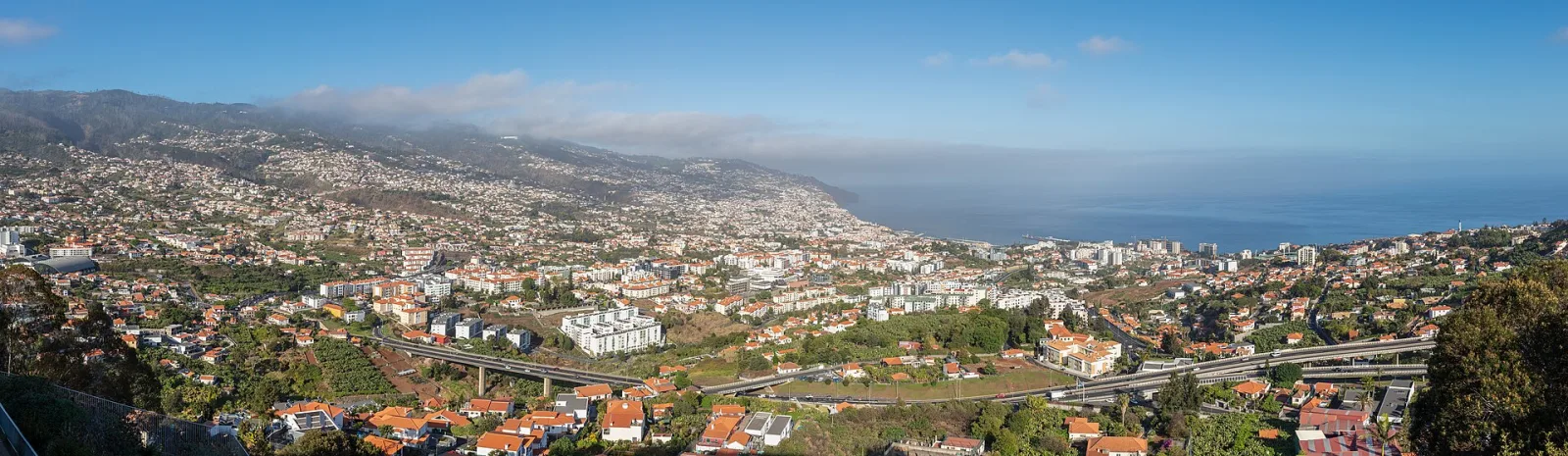
Photo: Diego Delso, CC BY-SA 4.0, via Wikimedia Commons
Which warm place in January suits which walker?
- You want guaranteed warmth: Tenerife or Gran Canaria, on the south coast.
- You want green landscapes and flat paths: Madeira and its levadas, with a rain jacket.
- You want history along the way: Malta, Cyprus or Crete, with cooler and wetter days.
- You want a short trip from the UK: Málaga or the Algarve, with sunny days and cold nights.
Winter in northern Europe is short on daylight; our page on when winter starts explains the dates and what to see outdoors at home in the meantime.
On the map
Pitstops in Spain, Portugal, Cyprus and Malta (238,950)
Take Outdoor Pitstop along on your phone
Free · 3.4 million pitstops in 44 countries