Outdoor Pitstop
The story
Audio tour · Maynooth Castle
2:13
- en
- nl
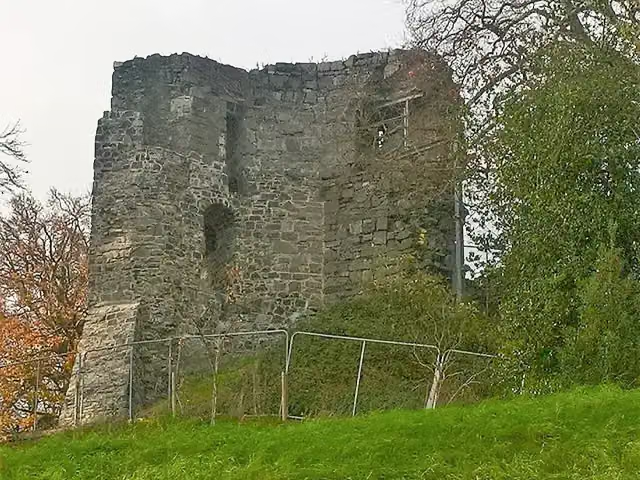
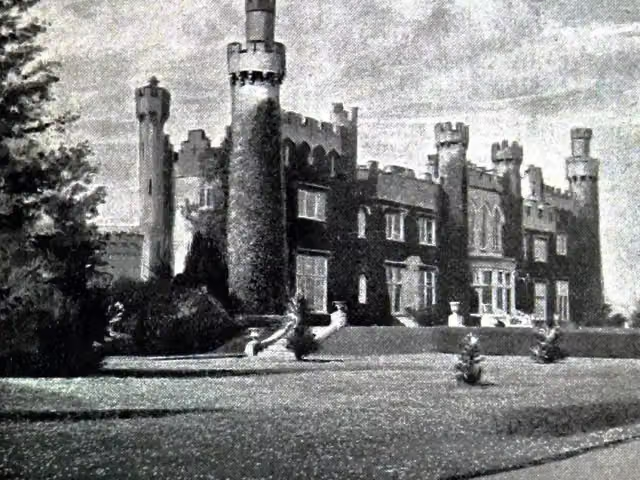
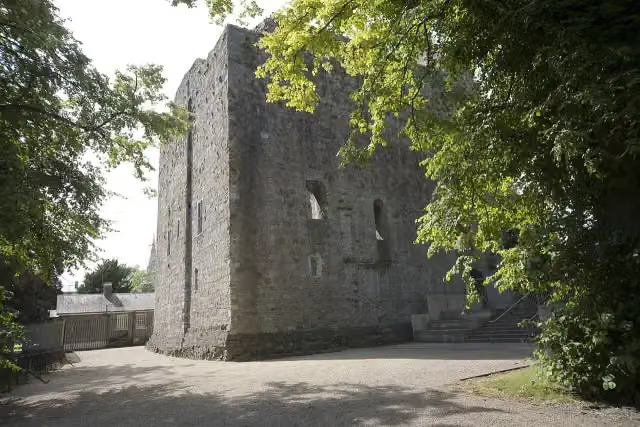
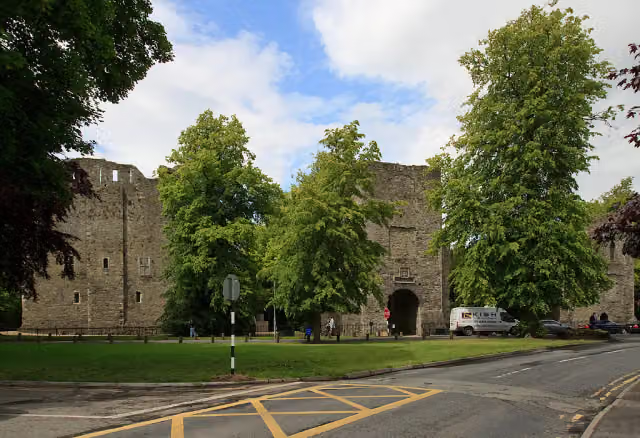
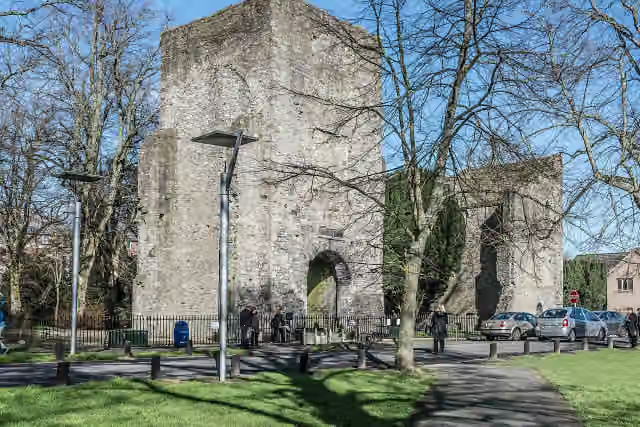
You're standing at Maynooth Castle, a ruin at the entrance to the South Campus of Maynooth University in County Kildare. Take a moment to look at what's left of the walls. This castle goes back to around 1203, and it was built where two streams meet. Gerald Fitzmaurice had the original keep put up, and his family, the Fitzgeralds, lived here for centuries. His descendants became the Earls of Kildare and the Earls of Leinster.\n\nNow find the gatehouse. It's one of only two parts that still stand. Above the entrance you can still make out the combined coat of arms of the Boyle and FitzGerald families. The other survivor is the Solar Tower.\n\nThe castle has a stormy past. Sir John Fitzgerald expanded it in the fifteenth century. But in 1534, Silken Thomas, son of the ninth Earl of Kildare, rebelled against the English Crown. In March 1535, an English army under William Skeffington pounded the castle with heavy guns. It fell after ten days. The defenders were executed right in front of the gate. Silken Thomas was captured soon after, and in 1537 he and his five uncles were executed at Tyburn.\n\nBetween 1630 and 1635, Richard Boyle, the first Earl of Cork, restored the castle. His daughter had married George FitzGerald, the sixteenth Earl of Kildare. But most of that work was destroyed again in the 1640s, during the Eleven Years War. After that, the Fitzgeralds left Maynooth for good. They moved first to Kilkea Castle, then to Carton House.\n\nSo what's inside? Since restoration work by the Office of Public Works began in 2000, the castle has been a heritage site. You can visit parts of the ruin, though access is limited. The gatehouse and the Solar Tower are the highlights.\n\nA practical note: it's open from May to September, between ten and six. Check the current opening times before you go.
Listen to the first 30 seconds
0:00 / 0:30
Read and hear the whole story in the Outdoor Pitstop app: check in at this place and it is yours (with Pro; new users are Pro for the first 4 weeks).