Outdoor Pitstop

Country parks near me: what this guide covers
This guide brings together the parks and estates that have their own page with us: 114 at the moment, from the Royal Parks of London to country parks and estates such as Stourhead, Lyme Park and Pollok Country Park. Most are in the United Kingdom, a handful are in Ireland and a few are city parks elsewhere in Europe, such as the Vondelpark.
Each guide page sets out who manages the park, how you get there and where the benches, public toilets and water points are. To find country parks near you, start with your county or nation in the list below, or open the map in the app around your own town.
- Parks with a guide
- 114
- Country parks in England
- more than 400 (Natural England)
- Country parks in Scotland
- 40 (NatureScot)
- Royal Parks in London
- 8
The three best-known parks in our guide
Three of the parks readers of our guide look up most. All three are Royal Parks, cared for by The Royal Parks charity.
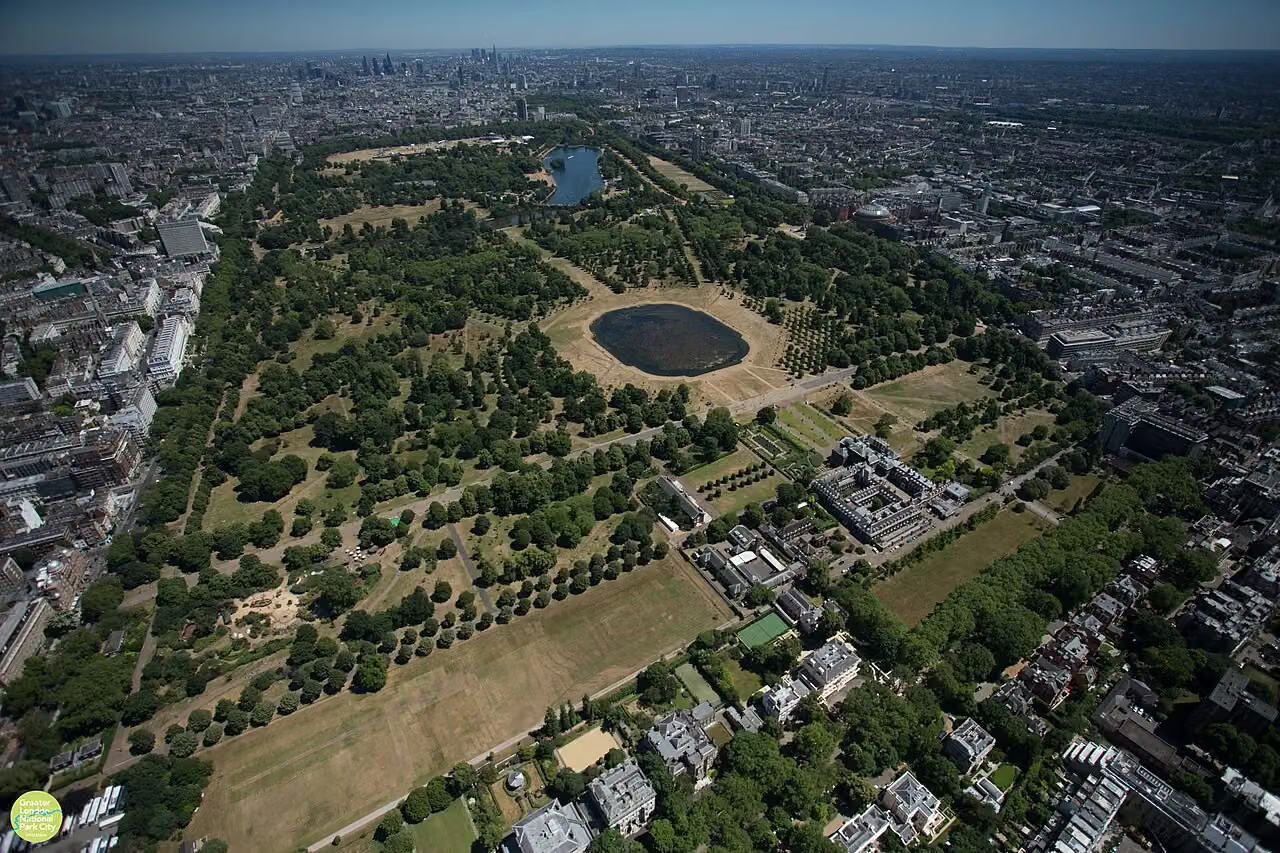
- Hyde ParkOne of the eight Royal Parks spread across Greater London.London
- Richmond ParkOne of the eight Royal Parks, which together cover more than 5,000 acres.London
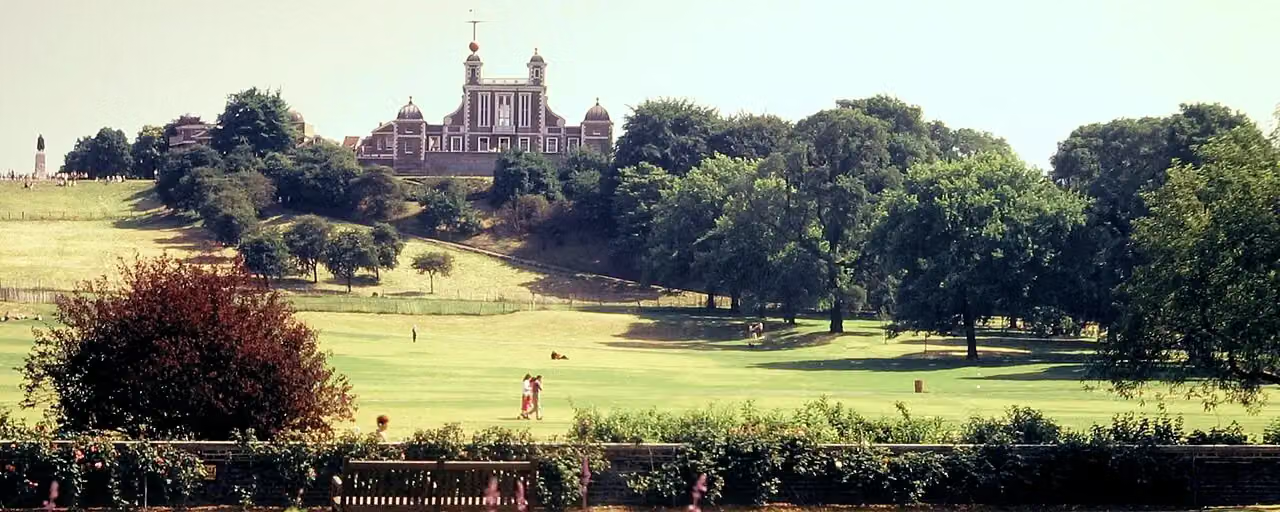
- Greenwich ParkOne of the eight Royal Parks, with its own guide page with us.London
Country park: what it is
According to Natural England, England has more than 400 country parks. They are public green spaces, often on the edge of a town, where you can enjoy nature in an informal, semi-rural park. Most have a car park, toilets, paths and visitor information, and some a café or kiosk. Many were designated in the 1970s by the Countryside Commission under the Countryside Act 1968; newer ones were set up less formally.
In Scotland, local authorities can designate country parks under the Countryside (Scotland) Act 1967. NatureScot counts 40 of them, most run by councils; the National Trust for Scotland manages Brodick and Culzean. Some private landowners use the name too, so "country park" does not always mean a council park. Scotland also has three larger regional parks: Clyde Muirshiel, Lomond Hills and Pentland Hills.
Nature reserve: national and local
A nature reserve can be almost anything, says GOV.UK: a coastal headland, an ancient woodland, or a former industrial site in the middle of a city. Two kinds have an official status.
A national nature reserve (NNR) is land declared under the National Parks and Access to the Countryside Act 1949 or the Wildlife and Countryside Act 1981. In England Natural England describes them as nationally important sites for nature, science and people.
A local nature reserve (LNR) is declared by a local authority; a town or parish council can do so when the district council has given it that power. Many reserves are run by charities: the Wildlife Trusts manage around 2,300 nature reserves, from peat bogs to ancient woodland.
Nature reserve near me: how to find one
GOV.UK points to the lists of local nature reserves for England and for Scotland, and suggests asking your council. The Wildlife Trusts and the RSPB each have a search for their own reserves. Not every reserve has a guide with us, but the parks and estates in this guide often include a nature reserve or border one, and the regional pages below group them by county.
RSPB near me: RSPB nature reserves
The RSPB (Royal Society for the Protection of Birds) cares for more than 170 reserves across the UK. Some, such as Old Moor, are wetlands with hides for watching birds. According to the RSPB, a number of its reserves have wheelchair access and hire out all-terrain trampers, and staff on site can help. Its own website lists every reserve with opening times and facilities; check there before you go.
Royal Parks: the best parks in London
London has eight Royal Parks, cared for by The Royal Parks charity: Bushy Park, The Green Park, Greenwich Park, Hyde Park, Kensington Gardens, The Regent's Park with Primrose Hill, Richmond Park and St James's Park. Together they cover more than 5,000 acres. The charity also looks after Brompton Cemetery and Victoria Tower Gardens.
Five of them have their own guide with us, among them Bushy Park and The Regent's Park. Other London favourites in this guide are Hampstead Heath, Battersea Park and Wimbledon Common.