Outdoor Pitstop
The story
Story · Cueva de Nerja
- en
- nl
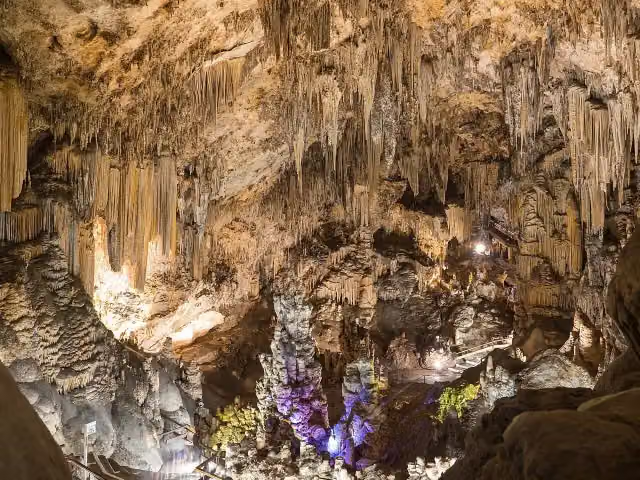
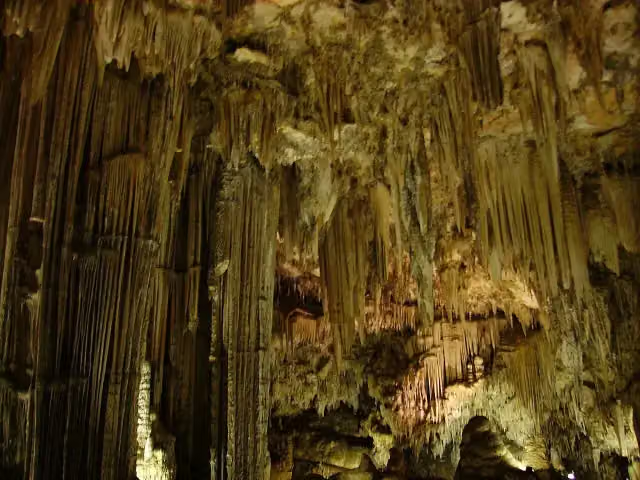
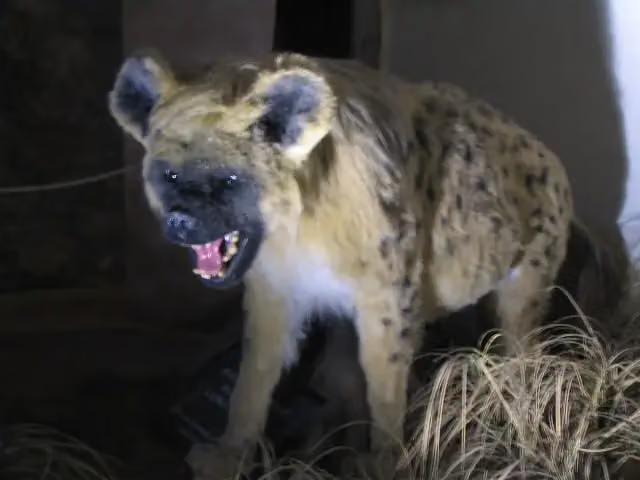
You're standing at the Caves of Nerja, a few kilometres outside the town of Nerja, at the foot of the mountains. From out here there's not much to see, but beneath your feet runs a network of caverns almost five kilometres long. It's one of Spain's biggest tourist attractions. The entrance visitors use today was only made in 1960. A year earlier, on 12 January 1959, five friends squeezed through a narrow sinkhole called La Mina, and the cave was rediscovered. The cave itself is far older. Around five million years ago, rainwater seeped into cracks in the marble and slowly dissolved it, hollowing out a huge cavern. Later, the underground water found lower routes, and that's when the giant stalactites and stalagmites began to grow. People knew this place long ago too. From about 25,000 BC, hunters lived here, at first only part of the year. When they left, cave hyenas moved in. Much later, the inhabitants kept animals, made pottery and buried their dead here. They also left paintings on the walls. In 2012 it was announced that paintings of seals might be 42,000 years old, which would make them the work of Neanderthals. But a 2017 study put them at 18,000 to 20,000 years, meaning modern humans painted them. So what's inside? A flight of stairs takes you eight metres down into the Entrance Hall, where some of the archaeological finds are displayed. In the Hall of the Nativity you'll see columns of calcite and a skeleton in a glass case. Next comes the Hall of the Waterfall, also called the Ballet Hall. It has about a hundred permanent seats, because concerts and dance festivals are held here. Stars like Montserrat Caballé and Yehudi Menuhin have performed in this space. The highlight is the Hall of the Cataclysm, with a column thirty-two metres high, the biggest in the world. In the Organ Corner, the fluted columns play different notes when struck. The paintings themselves are in a closed section. The paths inside are paved and easy to walk. The museum by the cave shows more of the finds.
Read the whole story in the Outdoor Pitstop app: check in at this place and it is yours (with Pro; new users are Pro for the first 4 weeks).